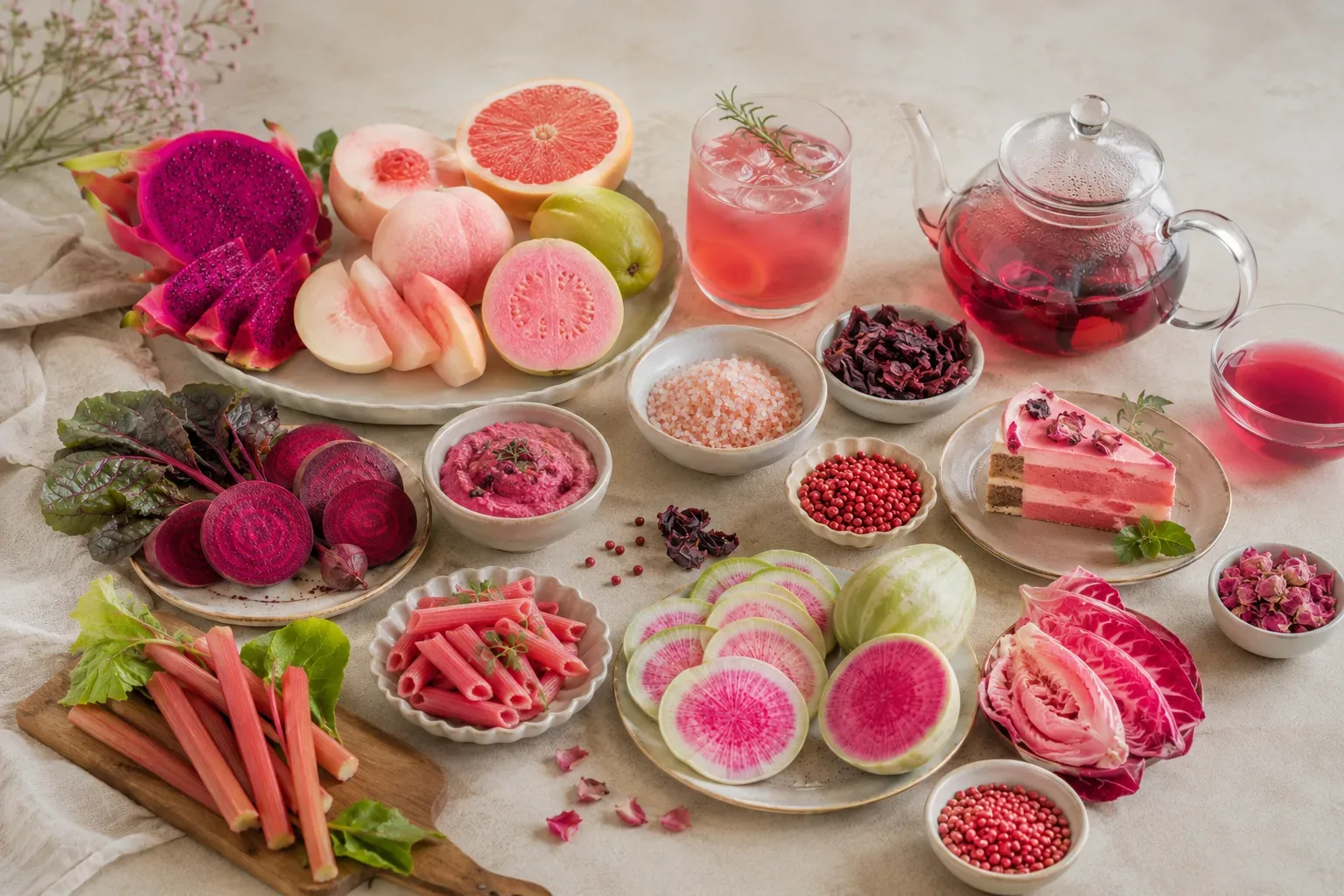
In nature, the color pink is often associated with fragile petals, fleeting spring blossoms, or soft, aesthetic sunsets. It feels delicate, almost passive. But on our dinner plates, natural pink is a magnificent paradox. Far from being weak, it serves as one of nature’s most potent, highly concentrated shields of defense, packing a fierce punch of cellular protection and metabolic recovery.
Why do naturally pink foods command such a unique presence in the vibrant world of "color foods"? The secret lies in their elite botanical pigments—such as Betalains, Anthocyanins, and Lycopene varieties—which act as fierce internal warriors against inflammation.
Here is a look at the "Powerhouse Pink Trio" that will inject a romantic yet intensely potent wave of vitality into your exhausted body, along with the hidden wellness insights behind them.
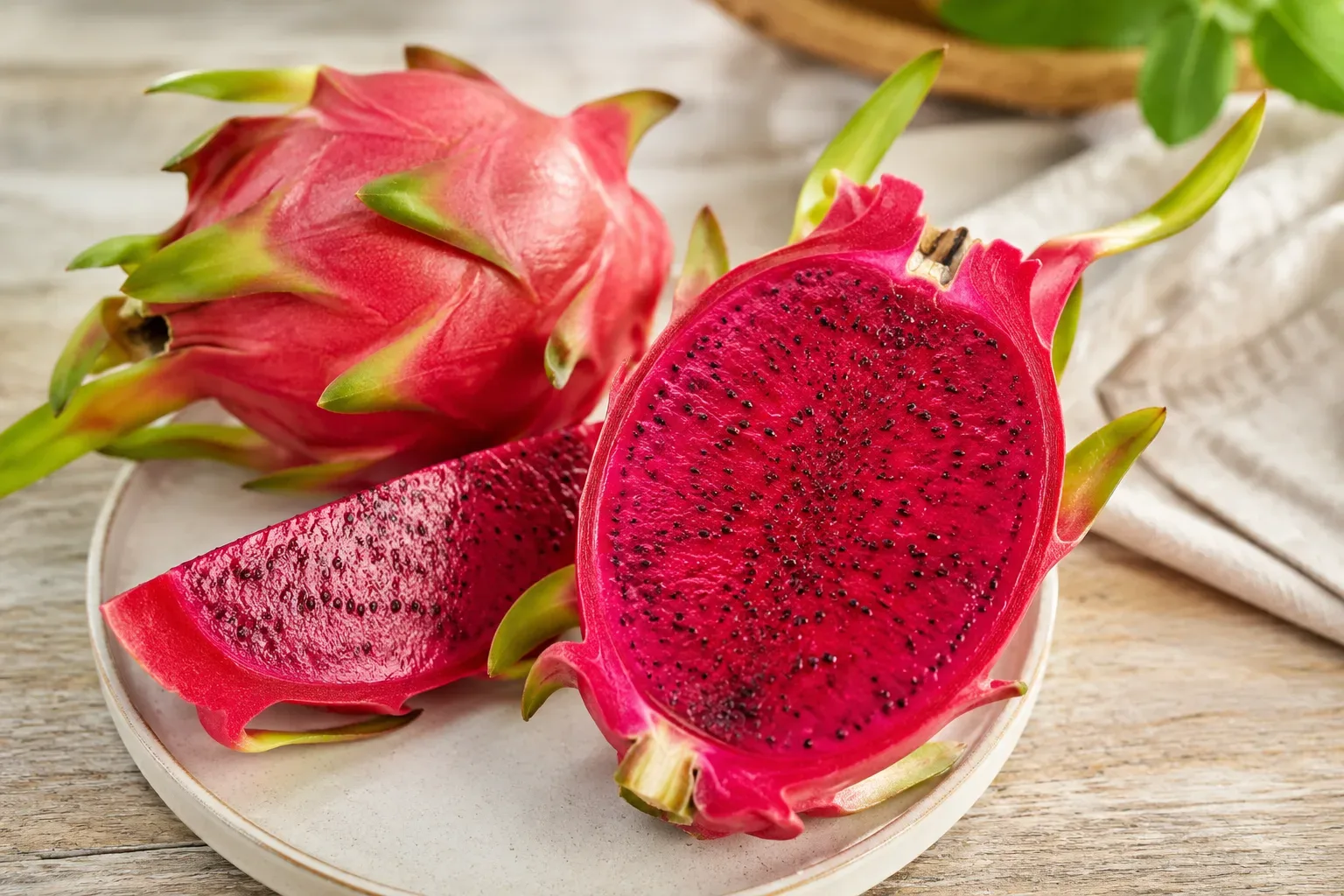
1. Red Dragon Fruit (The Magenta Powerhouse): The Neon Shield Against Cellular Aging
While standard white-fleshed dragon fruit is widely known, the deep, neon-magenta Red Dragon Fruit is a rare genetic masterpiece. Cut it open, and you are met with a blindingly vibrant pink hue that looks almost artificial—yet it is 100% engineered by mother nature.
This fierce magenta color is packed with Betalains, the exact same high-tier antioxidant group found in dark beets. It is remarkably efficient at neutralising free radicals, protecting your liver, reducing bad cholesterol (LDL), and preventing chronic cell damage. Combined with its dense concentration of dietary fiber and vitamin C, it acts as a massive detoxifier for the modern body.
💡 Insight Tip (How to Eat): The tiny black seeds embedded in the pink flesh are rich in heart-healthy omega-3 and omega-6 fatty acids. Do not swallow them whole! Chew the fruit thoroughly to crush the seeds, unlocking the essential fats. For a party centerpiece, blend the frozen pink flesh into a thick smoothie bowl; its intense magenta pigment remains brilliantly stable even when mixed with plant milks.
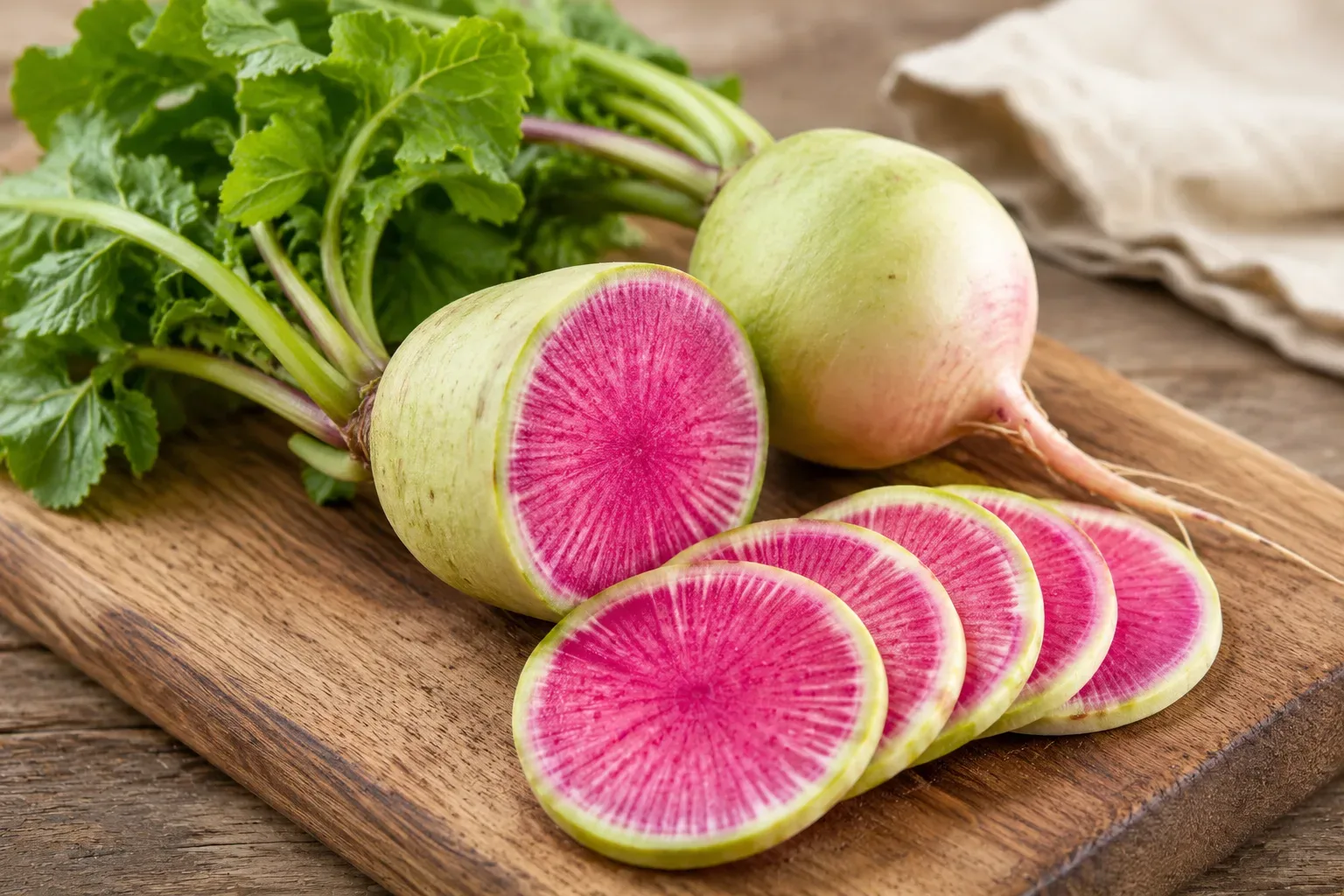
2. Watermelon Radish (The Hidden Jewel): The Crunchy Detoxifier for Your Liver
From the outside, this heirloom vegetable looks like a mundane, dusty green turnip. But slice it open, and it reveals a jaw-dropping, radiant fuchsia center that beautifully mimics a ripe watermelon.
This spectacular pink core is powered by Anthocyanins, a celebrated family of antioxidants. Watermelon radishes do not just look stunning on a party platter; they are loaded with glucosinolates—sulfur-containing compounds that trigger the liver's natural detoxification enzymes. It is an absolute must-have ingredient if you are looking to flush out toxins, improve sluggish digestion, and cool down systemic inflammation.
💡 Insight Tip (How to Eat): Heat and heavy cooking will quickly dull this vegetable’s magnificent fuchsia hue and destroy its crisp texture. To reap the maximum visual and nutritional benefits, slice it paper-thin on a mandoline and serve it raw as a vibrant carpaccio or a crisp salad element. If you pickle them, use a light rice vinegar—the acidity actually reacts with the anthocyanins, turning the pink color even brighter and more neon!
3. Pink Guava (The Tropical Queen): The Ultimate Vitamin C Shield
While common white guavas are nutritious, the Pink Guava is a tropical royalty. Its soft, blush-pink interior is a visual treat, but its nutritional profile is even more staggering.
The signature pink hue comes from a unique blend of Lycopene (the same heart-protective carotenoid found in tomatoes) and polyphenols. Pink guava is a literal powerhouse, boasting up to four times more Vitamin C than an orange. This dense nutrient matrix dramatically boosts skin elasticity, stimulates collagen production, strengthens your immune barrier, and rapidly charges the batteries of exhausted, burnt-out individuals.
💡 Insight Tip (How to Eat): The highest concentration of lycopene and vitamin C is found right underneath the skin and in the soft, pink central pulp. Avoid peeling the fruit too deeply; instead, wash the rind thoroughly and consume it whole. If you are serving it at a gathering, cold-press the pink guava to create a gorgeous, pastel-pink nectar that serves as a highly functional, immune-boosting party welcome drink.
A Palette of Pink
The colors on our plates are never just for visual aesthetics. They are visual indicators of phytochemicals—the ultimate self-defense and healing mechanisms that plants develop to survive the harsh elements of nature.
When you consume natural pink, you aren't just eating something pretty; you are absorbing a highly strategic combination of cellular defense, liver detoxification, and immune rejuvenation.
Has your diet been looking a bit dull lately? If your body feels heavy and your cells feel fatigued, it is time to infuse your next meal with some vibrant, natural pink energy. The most captivating, romantic color on your plate will deliver the most direct gift of health.