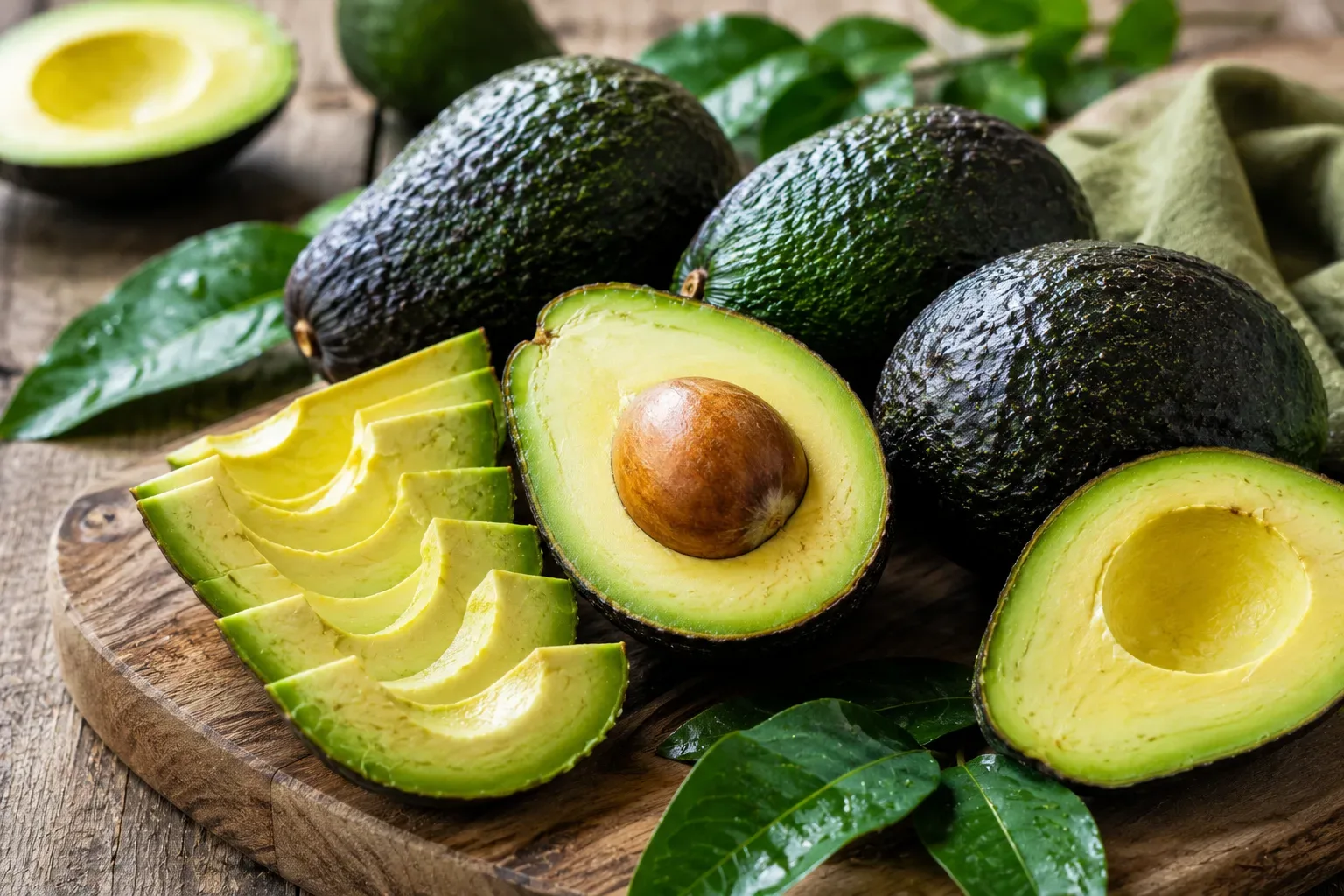
In the vibrant spectrum of nature's pantry, the color green is a symbol of renewal, life-force, and thriving vitality. On our dinner plates, green is the signature of metabolic balance, deep cellular detoxification, and lipid-based cellular defense. And at the absolute pinnacle of this emerald empire stands the luxurious, velvety Avocado.
Why does the avocado hold such a revered status in nutritional science? Often called "alligator pear" or "the butter of the forest," it is one of the few fruits on Earth defined not by sugars, but by magnificent, life-sustaining fats. The secret behind its dense, creamy green flesh is Oleic Acid and Lutein—a powerful biological combination that serves as an internal shield protecting our brain, heart, and cellular membranes.
Here is a deep dive into the extraordinary biology of the avocado, its profound health benefits, and the legendary regions that produce the finest crops in the world.
1. Oleic Acid and Lutein: The Lipophilic Sentinels of Brain and Vision Health
The rich, buttery texture of a ripe avocado is a dense concentration of monounsaturated fatty acids (MUFAs), specifically oleic acid. This is the exact same heart-healthy fat that gives extra virgin olive oil its fame. Oleic acid actively integrates into our cellular membranes, increasing their fluidity and protecting them from oxidative damage.
Simultaneously, avocados are packed with lutein, a potent carotenoid antioxidant. Because lutein is strictly fat-soluble, the abundant healthy fats within the avocado act as a perfect, built-in delivery system, allowing your body to absorb this antioxidant with maximum efficiency. Once absorbed, lutein migrates directly to the macula of the eyes and the tissues of the brain, filtering out harmful blue light and preserving cognitive sharpness.
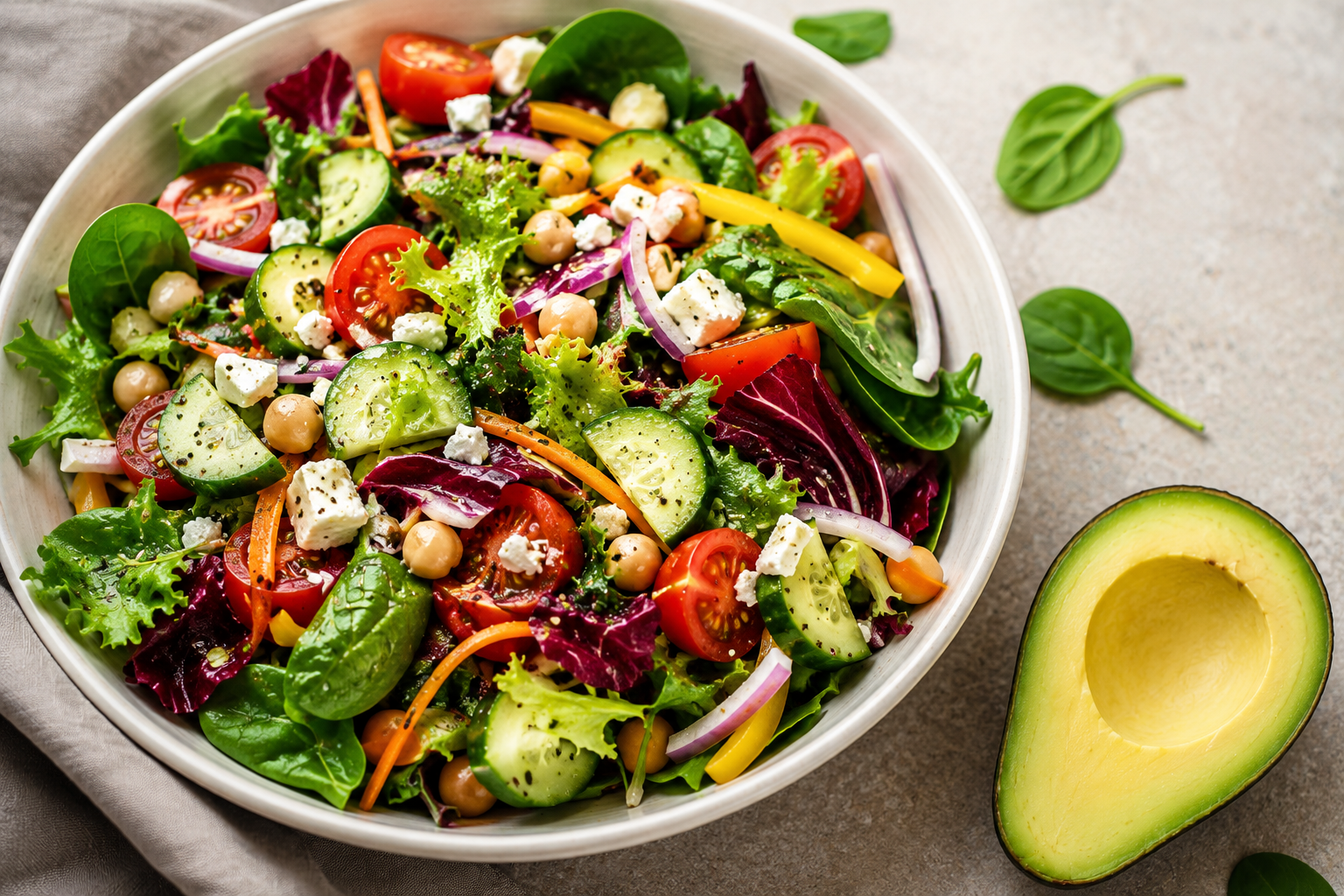
Insight Tip (How to Eat): The avocado is the ultimate "nutrient booster." Many vital fat-soluble vitamins (A, D, E, K) and antioxidants (like lycopene in tomatoes or beta-carotene in carrots) cannot be absorbed by your body without fat. Adding half an avocado to a colorful salad multiplies your absorption of the other vegetables' nutrients by up to 3 to 5 times! Furthermore, the highest concentration of lutein lies in the dark green flesh directly beneath the skin. Avoid aggressively scooping with a spoon; instead, use the "nick and peel" method to peel the skin away like a banana, preserving that nutrient-dense outer layer.
2. The Holistic Bio-Regulator: Eradicating Visceral Inflammation and Boosting Gut Integrity
Beyond its healthy fats, the avocado is a secret weapon for metabolic and digestive harmony. It is an exceptional source of Potassium—containing significantly more than a banana—and is loaded with a remarkable ratio of soluble and insoluble dietary fiber.
Potassium acts as a natural flushing agent, clearing out excess sodium to regulate blood pressure and reduce strain on arterial walls. Meanwhile, the rich fiber content feeds the beneficial microbes in your gut microbiome. As these microbes ferment the avocado's fibers, they produce short-chain fatty acids (SCFAs) like butyrate, which systematically cool down chronic inflammation throughout the entire body and reinforce the gut barrier.
Insight Tip (How to Eat): When an avocado is cut and exposed to oxygen, an enzyme called polyphenol oxidase triggers rapid browning—a visual sign of oxidative degradation. To halt this process and preserve its cellular integrity, immediately squeeze fresh lime or lemon juice over the exposed flesh. The Vitamin C (ascorbic acid) in the citrus acts as a sacrificial antioxidant, neutralizing oxygen before it can damage the avocado's precious lipids, keeping your food pristine and nutritionally intact.
3. The Elite Terroirs: Where the World's Finest Avocados Are Born
An avocado’s oil content, creaminess, and flavor profile are deeply bound to its terroir—the unique combination of soil, water, climate, and geography. Three extraordinary regions across the globe stand as the undisputed royalty of the avocado empire:
Michoacán (Mexico) – The Volcanic Cradle of the True Hass: Located in the trans-Mexican volcanic belt, Michoacán is the undisputed heartland of the avocado world. The rich, deep volcanic soils are naturally aerated and packed with minerals. Combined with high-altitude microclimates and abundant rainfall, this unique terrain allows avocado trees to thrive year-round. The fruit born here develops an incredibly rich, nutty flavor profile and a exceptionally high oil content (often exceeding 20%), setting the global standard for creamy texture.
Fallbrook, Southern California (USA) – The Sun-Drenched Coastal Masterpiece: Known historically as the avocado capital of the United States, Fallbrook enjoys a flawless Mediterranean climate. Nestled in San Diego County, the trees receive intense daily sunshine, which is beautifully tempered by a cool, evening marine layer rolling in from the Pacific Ocean. This gentle temperature fluctuation slows down the ripening process on the tree, allowing the avocados to develop a highly delicate, clean flavor and an exceptionally smooth, buttery flesh.
Bay of Plenty (New Zealand) – The Pristine Maritime Treasure: Thriving in the clean, windswept coastal regions of New Zealand's North Island, these avocados are shaped by a unique maritime terroir. The region features highly fertile, free-draining volcanic soils and exceptional sunshine hours, balanced by cool ocean breezes. This cooler climate forces the avocado trees to adapt, resulting in a fruit that boasts remarkably high levels of heart-healthy monounsaturated fats and standard-defying concentrations of Vitamin E and folate.