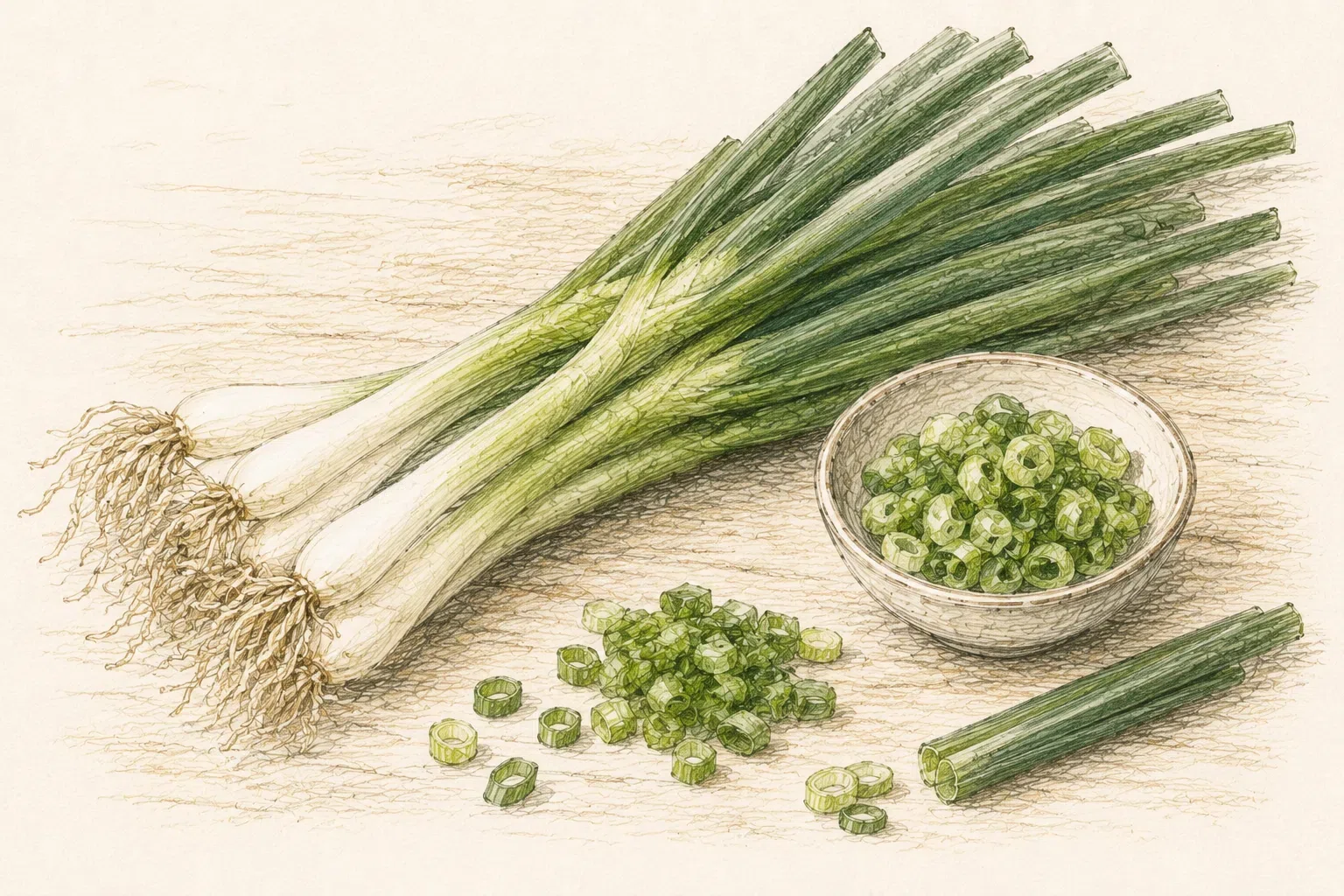
Green onions, often referred to as scallions, bring a vibrant touch to any dish, whether it's a fresh salad, a savory stir-fry, or a comforting soup. Their crisp texture and mild flavor can elevate the simplest of meals, making them a staple in kitchens around the world. Beyond their culinary appeal, green onions are a nutritional powerhouse, rich in vitamins and unique phytonutrients that support overall health.
These slender green stalks are particularly high in vitamin K, a crucial nutrient that plays a key role in bone health and blood clotting. With their bright green hue and zesty taste, green onions not only enhance the visual appeal of your plate but also offer significant functional benefits. Let's dive deeper into their signature nutrients and broader health advantages.
Signature Nutrient: Vitamin K One of the standout nutrients in green onions is vitamin K. This essential vitamin is vital for maintaining healthy bones and ensuring proper blood clotting. Studies suggest that adequate vitamin K intake may help reduce the risk of bone fractures and support cardiovascular health by preventing calcium buildup in the arteries.
Insight Tip (How to Eat): Because vitamin K is a fat-soluble nutrient, pair green onions with healthy fats. Tossing them in olive oil or serving them alongside avocado or fatty fish will maximize your body's absorption of this vital nutrient.
Broader Health Benefits In addition to vitamin K, green onions are packed with powerful antioxidants, most notably allicin (which gives them their signature pungent aroma) and quercetin. Allicin is known for its antibacterial and heart-protecting properties, while quercetin acts as a potent anti-inflammatory agent. Furthermore, they are a good source of vitamins A and C for immune support, and their natural fiber helps maintain a healthy gut microbiome.
Insight Tip (How to Eat): Avoid overcooking green onions to preserve their heat-sensitive vitamin C and delicate antioxidants. Add them to hot dishes right at the end of cooking, or use them raw as a fresh garnish.
Elite Terroirs / Specialty Varieties While green onions are cultivated globally, certain regions and culinary traditions highlight exceptional varieties:
California, USA: Known for its ideal year-round growing conditions, California is a massive producer of sweet, tender scallions that are favored by chefs for their crispness and mild bite.
Japan (Negi): Japanese negi (often known as Welsh onions) are botanically distinct from standard western scallions. They have a much thicker, longer white stalk. When cooked, negi becomes incredibly soft and develops a deep, rich sweetness, making it a star ingredient in hot pots, ramen, and miso soup.
China: In Chinese culinary traditions, scallions are a foundational aromatic. Sizzled in oil with ginger and garlic, they create the flavor base for countless stir-fries, noodle dishes, and the iconic, flaky scallion pancakes.
In the culinary world, the healthiest foods are not always the flashiest or most expensive. Green onions exemplify this principle perfectly. They are an accessible, affordable ingredient that packs a massive punch in terms of both flavor and nutrition. By making these vibrant green stalks a regular part of your meals, you can easily restore balance and vibrant taste to your daily diet.