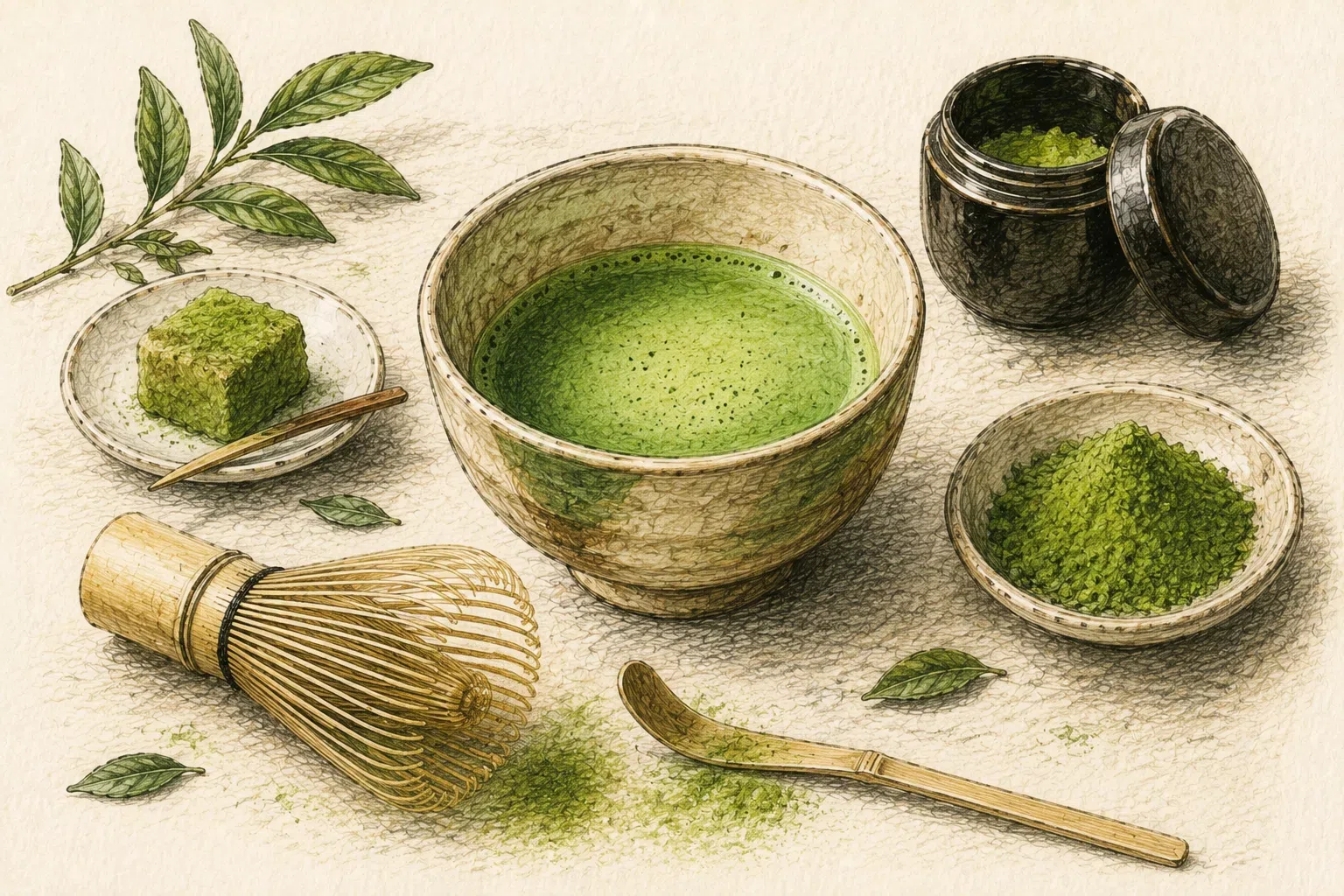
Imagine a warm bowl of frothy, vibrant green matcha, its earthy aroma filling the air. This finely ground powder, made from shade-grown green tea leaves, transforms any dish into a nutrient-rich delight. Known for its distinct flavor and numerous health benefits, matcha is not just a trend; it’s a powerhouse of nutrition that deserves a prominent place in your daily routine.
At the heart of matcha's nutritional profile is its high concentration of antioxidants and unique amino acids. Together, they help combat oxidative stress while supporting overall health and wellness. Let’s dive deeper into the remarkable benefits of this superfood.
Signature Nutrients: Catechins & L-Theanine
Matcha is heavily packed with catechins, a class of antioxidants that play a crucial role in reducing inflammation and protecting cells from damage. The most abundant and powerful catechin here is EGCG (epigallocatechin gallate), known for supporting heart health and enhancing metabolic function.
Equally important is L-theanine, a rare amino acid responsible for matcha's unique ability to promote "calm alertness." It alters the effects of caffeine, providing a steady, gentle energy boost and heightened focus without the sudden crashes or jitters commonly associated with coffee.
Insight Tip (How to Eat): To maximize the absorption of beneficial catechins, add a squeeze of lemon or pair your matcha with Vitamin C-rich foods. If making a latte, opt for plant-based alternatives like almond or oat milk, as the casein protein in regular dairy can actually block antioxidant absorption.
Broader Health Benefits
Because you consume the entire tea leaf when drinking matcha, it is incredibly rich in vitamins A, C, and E, as well as essential minerals like potassium and calcium. These nutrients contribute to improved skin health, stronger bones, and a resilient immune system. Additionally, the natural dietary fiber found in the ground leaves supports digestive health.
Insight Tip (How to Eat): Avoid adding too much refined sugar to your matcha drinks or baked goods, as it can spike your blood sugar and counteract the natural anti-inflammatory benefits of the tea.
Elite Terroirs / Specialty Regions
Matcha is primarily grown in Japan, where specific climates and traditional shade-growing cultivation methods enhance its deep umami flavor and vibrant color.
Uji, Kyoto: Known as the historical birthplace of Japanese green tea, Uji produces the world's most prestigious, high-quality ceremonial matcha. Its ideal terroir and soil create a deeply rich, sweet, and complex umami flavor profile.
Nishio, Aichi: Celebrated as one of Japan's leading producers by volume, Nishio matcha is famous for its exceptionally vibrant green color and smooth, elegant texture, making it a favorite for both drinking and high-end culinary uses.
Yame, Fukuoka: Located in southern Japan, Yame is renowned for its premium, shade-grown teas. Matcha from this region often has a robust, full-bodied sweetness and minimal bitterness.
The healthiest foods are often those that are simple, accessible, and packed with functional benefits. From smoothies and lattes to savory dishes, matcha exemplifies this philosophy, offering a delicious way to restore antioxidants and minerals in your body. Your taste buds and your health will thank you.