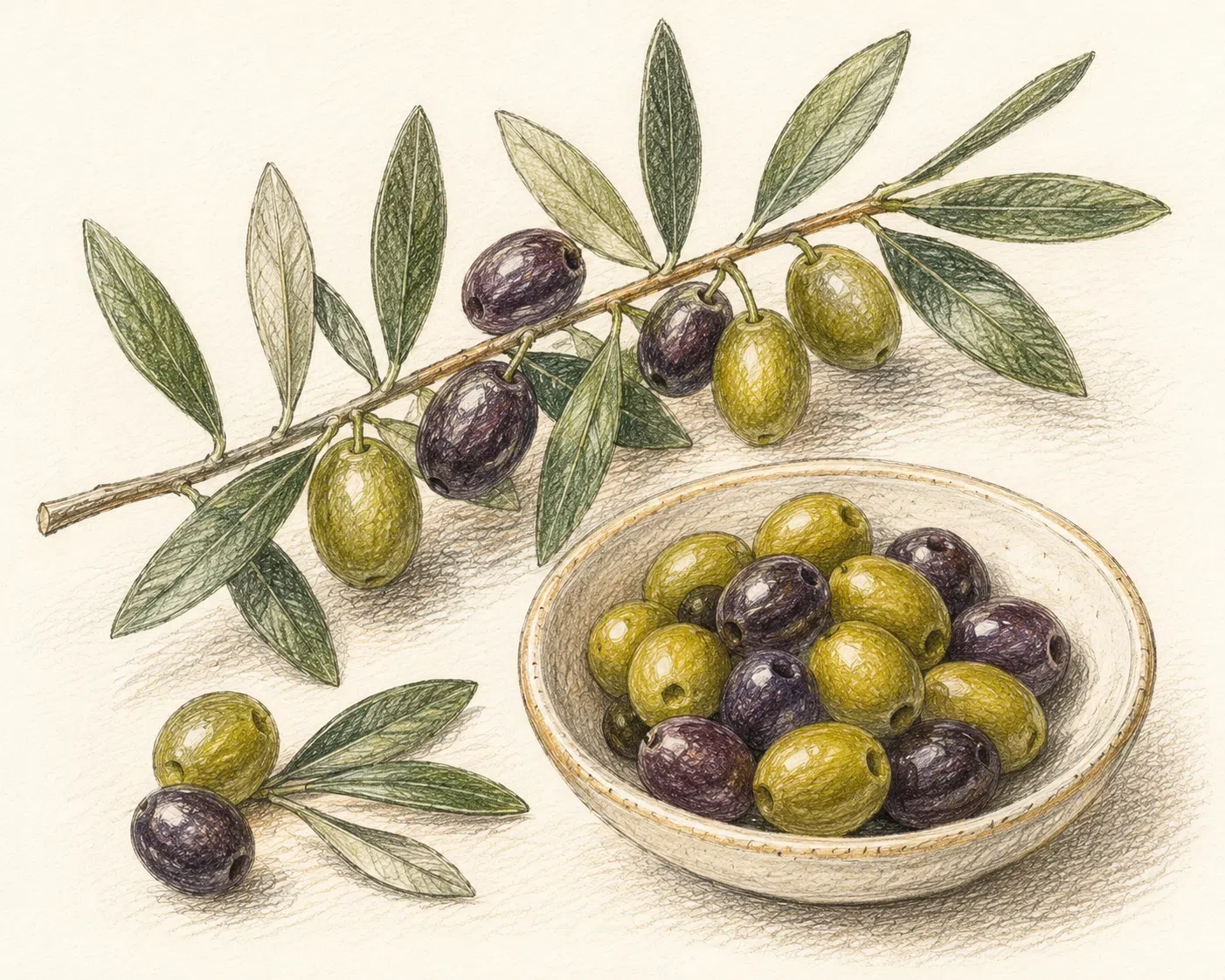
Picture a vibrant Mediterranean platter adorned with glistening green and black olives, their rich, briny flavor elevating any dish they accompany. Olives are not just a delightful addition to salads or antipasto; they are a nutritional powerhouse, rich in monounsaturated fats that promote heart health.
Beyond their culinary appeal, olives are renowned for their high concentration of oleic acid, a monounsaturated fatty acid linked to reduced inflammation and improved cardiovascular wellness. This makes olives both a delicious culinary choice and a smart dietary decision for a heart-healthy lifestyle.
Let's delve into the signature nutrients found in olives and explore their broader health benefits.

Signature Nutrient: Oleic Acid
One of the standout components of olives is oleic acid, a monounsaturated fatty acid that plays a vital role in supporting cardiovascular health. Research shows that oleic acid helps reduce bad cholesterol (LDL) levels while helping maintain healthy levels of good cholesterol (HDL). Additionally, this compound exhibits potent anti-inflammatory properties that support overall systemic health.
💡 Insight Tip (How to Eat): Because oleic acid is a healthy fat, it significantly enhances the absorption of fat-soluble antioxidants like Vitamin E and carotenoids. Pair olives with fresh leafy greens or vegetables to maximize your body's nutrient uptake.
Broader Health Benefits
Olives offer much more than beneficial fats; they also deliver an array of essential vitamins and minerals. They are an exceptional source of Vitamin E—a powerful antioxidant that protects cells from oxidative damage—and provide valuable minerals such as iron and copper, along with dietary fiber. Regular consumption of olives supports blood pressure regulation, bone integrity, and digestive wellness.
💡 Insight Tip (How to Eat): To minimize excess sodium intake from commercial brines, rinse canned or jarred olives in cold water or let them soak briefly before serving. This reduces salt levels without sacrificing texture or flavor.
Elite Terroirs / Specialty Regions
Olive trees thrive in distinct Mediterranean-style microclimates, giving rise to diverse flavor profiles and textures:
Andalusia, Spain: As the epicenter of global olive production, Andalusia's warm sunshine and rich soils yield olives with robust, full-bodied flavors.
Tuscany, Italy: Celebrated for their vibrant fruity and distinct peppery notes, Tuscan olives produce some of the world's most sought-after extra virgin olive oils.
California, USA: Blessed with ideal Mediterranean-like growing conditions, California produces a rich variety of premium olives with distinct, modern flavor profiles.
Olives may appear humble, but their rich nutrient density and versatile flavor profile make them a valuable addition to any diet. Incorporating olives regularly allows you to enjoy their distinct savory taste while reaping the long-term benefits of antioxidants and heart-healthy fats. Adding a handful of olives to your plate is a simple step toward enhancing both your meals and your overall well-being.