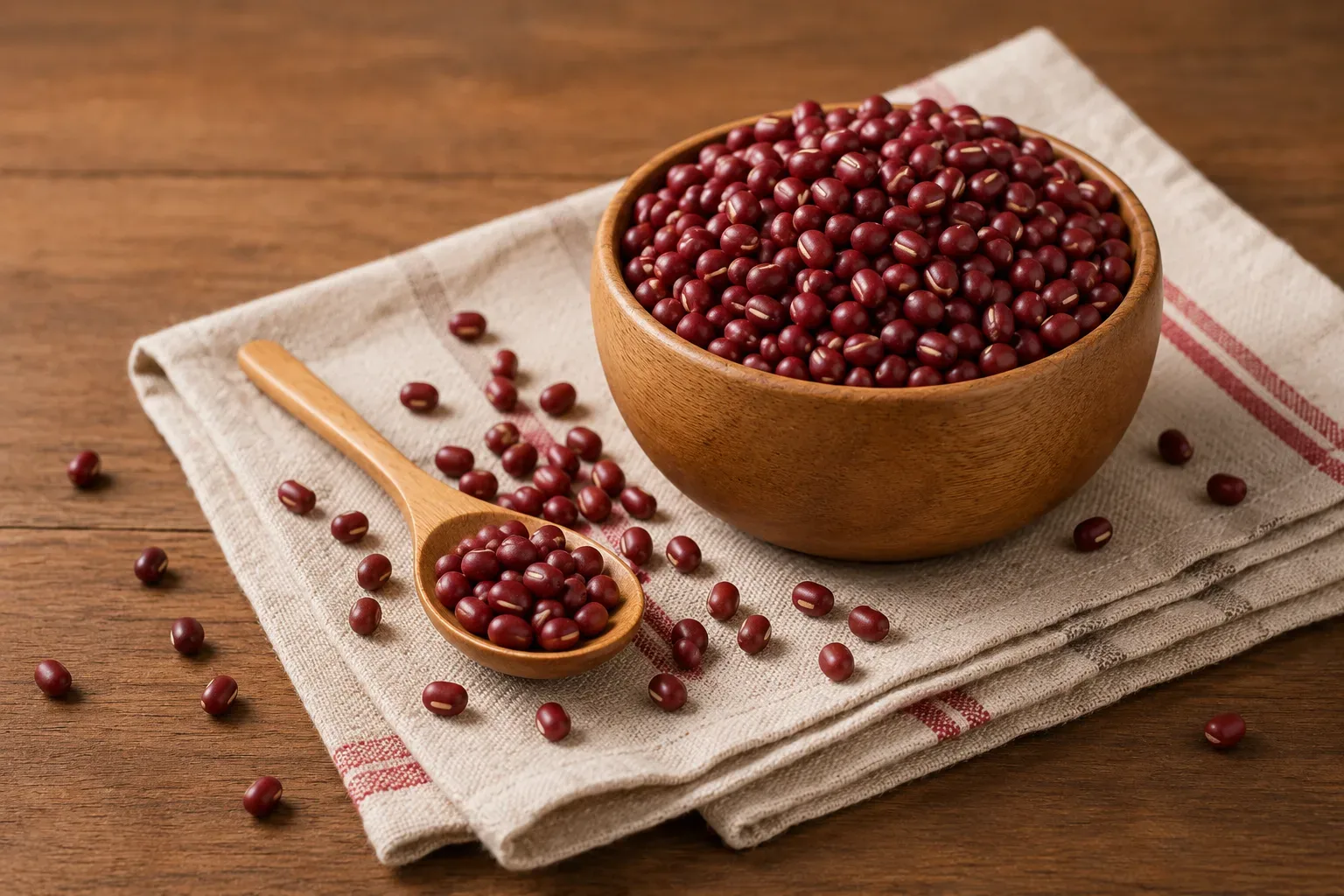
In the colorful world of plant foods, deep red often signals powerful antioxidants and exceptional nutritional value. While many people are familiar with red kidney beans or cranberries, far fewer have discovered one of East Asia's oldest traditional superfoods—the Adzuki Bean.
Small, naturally sweet, and rich in dietary fiber, adzuki beans have been cultivated for more than 2,000 years across Korea, Japan, and China. Today, they remain an essential ingredient in both everyday meals and traditional celebrations, valued not only for their delicate flavor but also for their impressive nutritional profile.
Unlike many legumes, adzuki beans combine plant protein, complex carbohydrates, minerals, and antioxidant-rich polyphenols in a remarkably compact seed. Their distinctive ruby-red skin is more than beautiful—it contains many of the protective compounds that make this traditional bean such a valuable part of a healthy diet.
Let's discover why adzuki beans have remained one of East Asia's most treasured foods for generations.

1. Polyphenols: Nature's Crimson Shield
The beautiful red skin of adzuki beans is packed with naturally occurring plant compounds, including polyphenols, flavonoids, and anthocyanins.
These antioxidants help:
Neutralize free radicals
Protect cells from oxidative stress
Support cardiovascular health
Promote healthy aging
Unlike many refined carbohydrate foods, adzuki beans deliver these protective compounds alongside fiber and plant protein, creating a well-balanced nutritional package.
Insight Tip (How to Eat)
Many of the antioxidants are concentrated in the bean's outer skin. Cooking whole adzuki beans instead of removing the skins helps preserve their nutritional value.
2. Fiber: Slow Energy That Lasts
One of the greatest strengths of adzuki beans is their naturally high dietary fiber content.
The combination of soluble and insoluble fiber helps:
Support healthy digestion
Nourish beneficial gut bacteria
Increase fullness after meals
Slow carbohydrate absorption
Help maintain healthy blood sugar levels
Because they digest slowly, adzuki beans provide long-lasting energy without the rapid spikes often associated with refined carbohydrates.
Insight Tip (How to Eat)
Pair adzuki beans with brown rice, barley, or oats for a balanced meal rich in fiber, complex carbohydrates, and plant protein.
3. Small Bean, Remarkable Nutrition
Despite their small size, adzuki beans are packed with essential nutrients.
They naturally provide:
Plant protein
Folate
Iron
Magnesium
Potassium
Zinc
Together, these nutrients support normal energy metabolism, healthy muscle function, oxygen transport, and overall wellness.
Because they are naturally low in fat and rich in nutrients, adzuki beans are an excellent addition to a balanced plant-forward diet.
Insight Tip (How to Eat)
Pair adzuki beans with vitamin C-rich foods such as oranges, tomatoes, or bell peppers to improve the absorption of plant-based iron.
4. A Sustainable Crop That Gives Back to the Soil
Adzuki beans benefit not only human health but also the environment.
Like other legumes, they naturally form partnerships with nitrogen-fixing bacteria in the soil. These beneficial microorganisms convert atmospheric nitrogen into forms plants can use, reducing the need for synthetic fertilizers and improving soil fertility.
For centuries, this natural ability has made adzuki beans an important crop in sustainable farming systems across East Asia.
5. Korean Adzuki Beans: A Traditional Ingredient Worth Discovering
Although adzuki beans are cultivated throughout East Asia, Korea has developed a particularly rich culinary tradition around this versatile ingredient.
Rather than being used only in desserts, Korean cuisine incorporates adzuki beans into comforting porridges, festive rice cakes, refreshing summer treats, and seasonal dishes enjoyed throughout the year.
Popular Korean foods featuring adzuki beans include:
Patjuk (Red Bean Porridge)
Patbingsu (Shaved Ice with Sweet Red Beans)
Sweet Red Bean Paste
Traditional Korean Rice Cakes (Tteok)
Their naturally mild sweetness and creamy texture make them equally suitable for both sweet and savory recipes.
Like many traditional foods, Korean adzuki beans demonstrate how centuries of culinary wisdom often align with modern nutritional science.
💡 A Bowl of Crimson: The Ultimate Takeaway
Sometimes the smallest foods carry the greatest nutritional value.
Adzuki beans combine fiber, plant protein, essential minerals, and antioxidant-rich polyphenols in one naturally balanced ingredient. Rather than relying on a single "super nutrient," they provide a diverse collection of compounds that support heart health, digestive wellness, steady energy, and healthy aging.
For more than two millennia, adzuki beans have nourished generations across East Asia. Today, modern nutrition continues to confirm what traditional cuisines have long understood: simple, minimally processed foods can deliver some of nature's most remarkable health benefits.