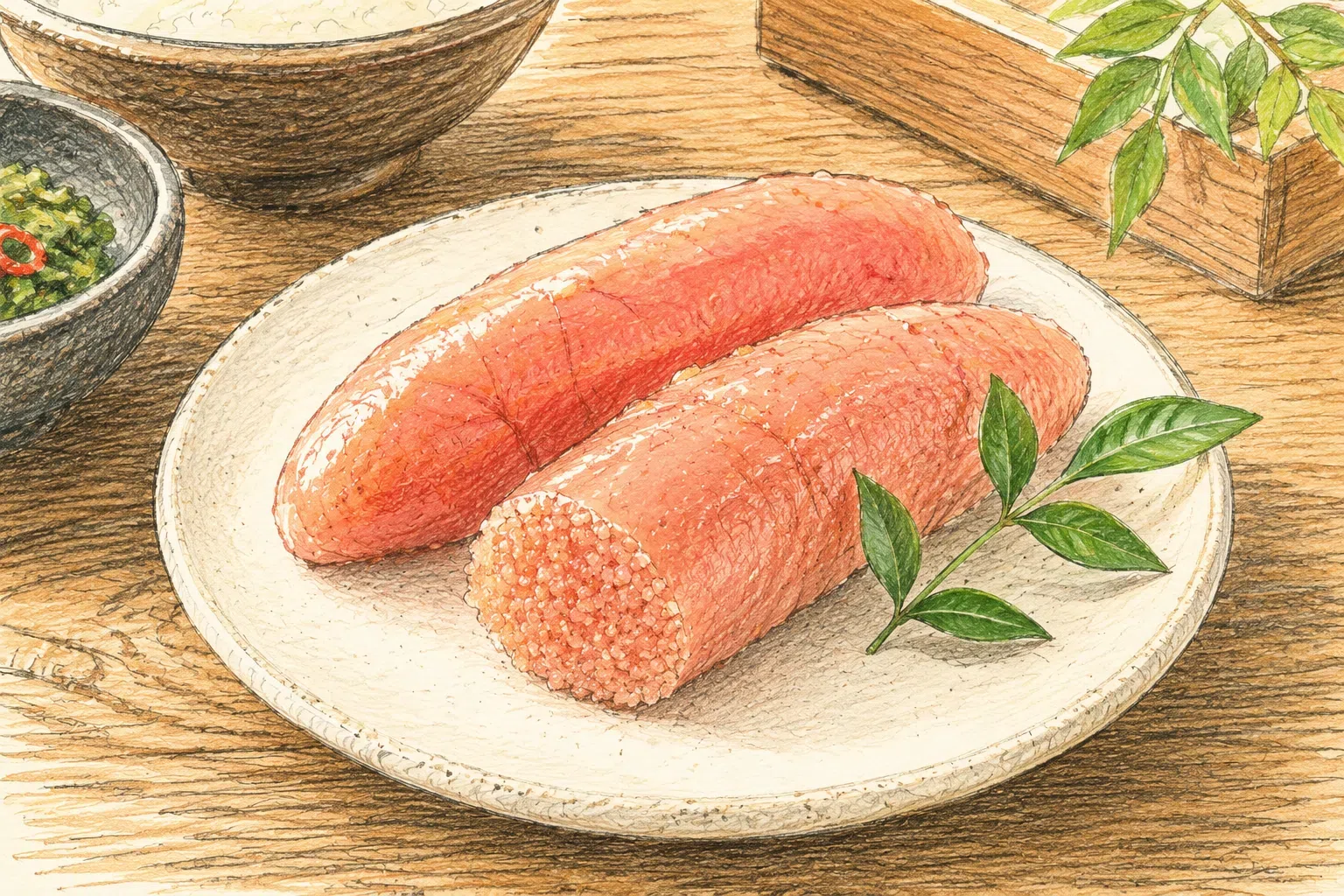
Picture a vibrant Korean table where the rich, umami flavor of myeongran—salted pollock roe—adds a delicious and sophisticated touch to every dish. Distinguished by its natural pinkish-orange hue, this ingredient not only enhances the visual appeal of a meal but also packs a powerful nutritional punch. Celebrated for its high protein content and essential micronutrients, myeongran is a cherished culinary treasure rooted in centuries of Asian maritime tradition.
Nutritionally, myeongran is exceptionally rich in omega-3 fatty acids, which are crucial for cardiovascular health, cognitive function, and cellular repair. As we explore the full profile of this ocean delicacy, you will discover how a simple spoonful can transform an everyday dish while supporting a balanced, healthy lifestyle.
Signature Nutrient: Omega-3 Fatty Acids
One of the standout nutritional features of myeongran is its concentration of long-chain omega-3 fatty acids (EPA and DHA). These essential fats play a vital role in maintaining heart health, reducing arterial inflammation, and supporting brain cell integrity.
Insight Tip (How to Eat): Omega-3 fats are highly sensitive to heat and oxidation. To preserve their nutritional integrity and balance myeongran’s natural sodium, pair it raw with a drizzle of toasted sesame oil or unrefined perilla oil, and serve alongside fresh cucumber or creamy avocado. The natural antioxidants in fresh herbs and oils help protect the delicate fatty acids from oxidizing.
Broader Health Benefits
Beyond healthy fats, myeongran is a concentrated source of high-quality protein and vital micronutrients, including Vitamin B12, selenium, and iodine. Vitamin B12 is essential for red blood cell formation and neurological vitality, while selenium acts as a potent antioxidant protecting thyroid health. Furthermore, myeongran contains natural astaxanthin, a powerful marine carotenoid that gives the roe its color and contributes to skin elasticity and eye health.
Insight Tip (How to Eat): Because myeongran is traditionally salt-cured, a little goes a long way. Use it as a natural flavor enhancer—a "sea salt substitute"—to season warm whole grains, eggs, or light broth soups without overdoing your daily sodium intake.
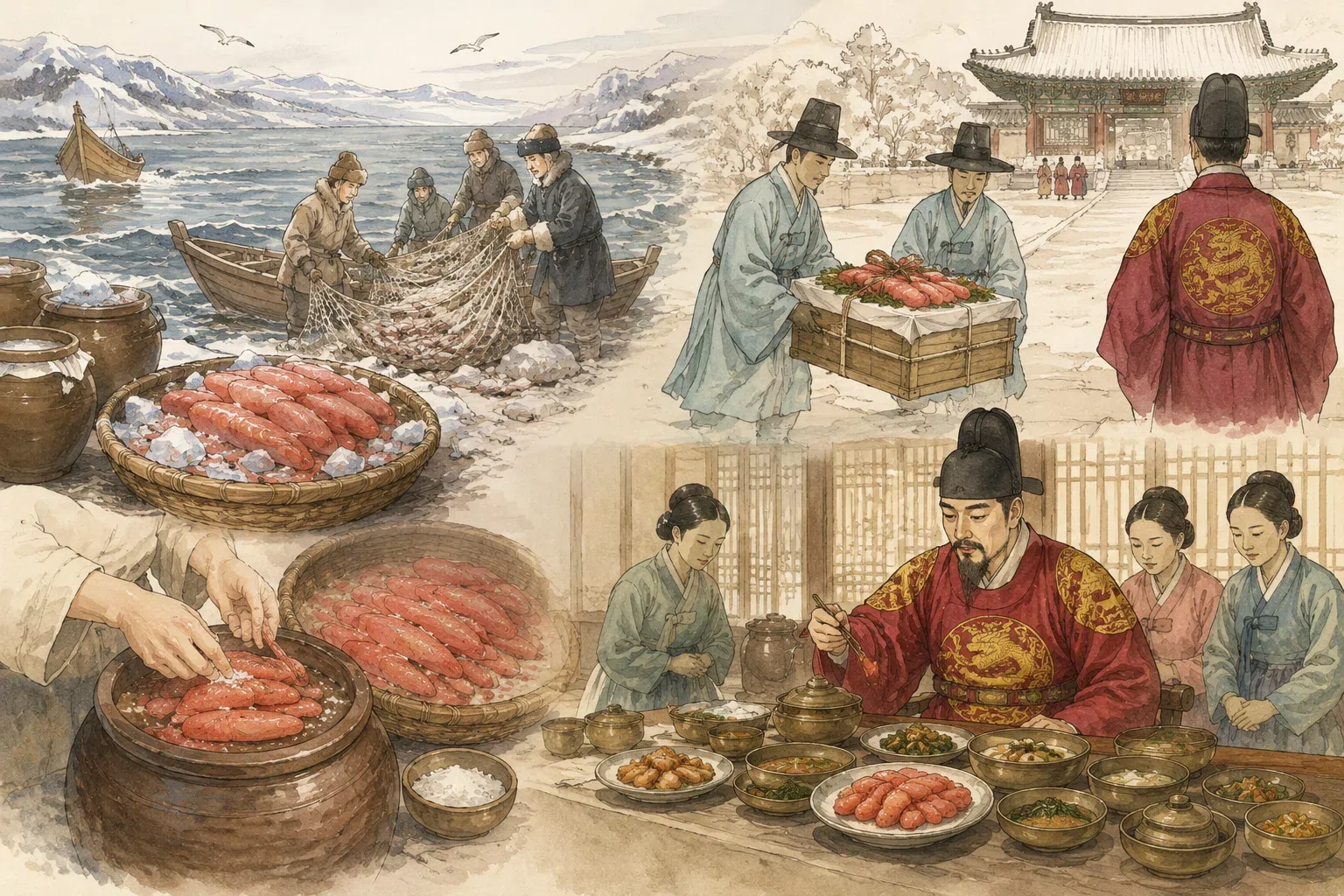
Where This Ingredient Began: The True Heritage of Myeongran
The story of myeongran is deeply woven into the cultural fabric of the Korean Peninsula. Historical records, including the Royal Secretariat Journal (Seungjeongwon Ilgi) from 1652 during the Joseon Dynasty, document that salted pollock roe was regularly served at the royal court as a precious delicacy from the icy northern seas of Gangwon and Hamgyong provinces.
Fascinatingly, myeongran is also the direct ancestor of Japan’s world-famous Mentaiko. In the mid-20th century, Toshio Kawahara, a Japanese entrepreneur who grew up in Busan, Korea, frequently ate Korean myeongran-jeot at the historic Choryang Market. After returning to Fukuoka, Japan, he recreated the recipe adapted to local tastes, founding Fukuya and launching the Mentaiko phenomenon. Even the Japanese word Mentaiko (明太子) literally translates to "child of Myeongtai" (pollock), honoring its authentic Korean lineage.
Elite Terroirs and Specialty Regions
While pollock are harvested across the chilly waters of the North Pacific, the world's finest myeongran is defined by both sustainable sourcing and artisanal curing methods:
Busan & Gangwon-do (South Korea): The historic heartlands of Korean myeongran curing. Master artisans here use low-salt fermentation techniques combined with chili flakes, garlic, and sesames to create a perfectly balanced, savory-spicy delicacy.
Alaska & The Bering Sea (USA): Celebrated for pristine, wild-caught Alaska pollock harvested under strict sustainable fishing quotas, yielding plump, high-density roe sacs.
Hokkaido & Fukuoka (Japan): Renowned for refining cured roe into gourmet Mentaiko, featuring subtle seasoning marinades infused with kelp (kombu) and sake.
Myeongran is proof that the most extraordinary health foods can be deeply tied to cultural heritage. With its rich omega-3 profile, essential minerals, and unforgettable umami depth, it is an accessible luxury that effortlessly elevates modern cooking. Incorporate a gentle touch of myeongran into your meals to honor a centuries-old tradition while nourishing your body with the pure essence of the sea.