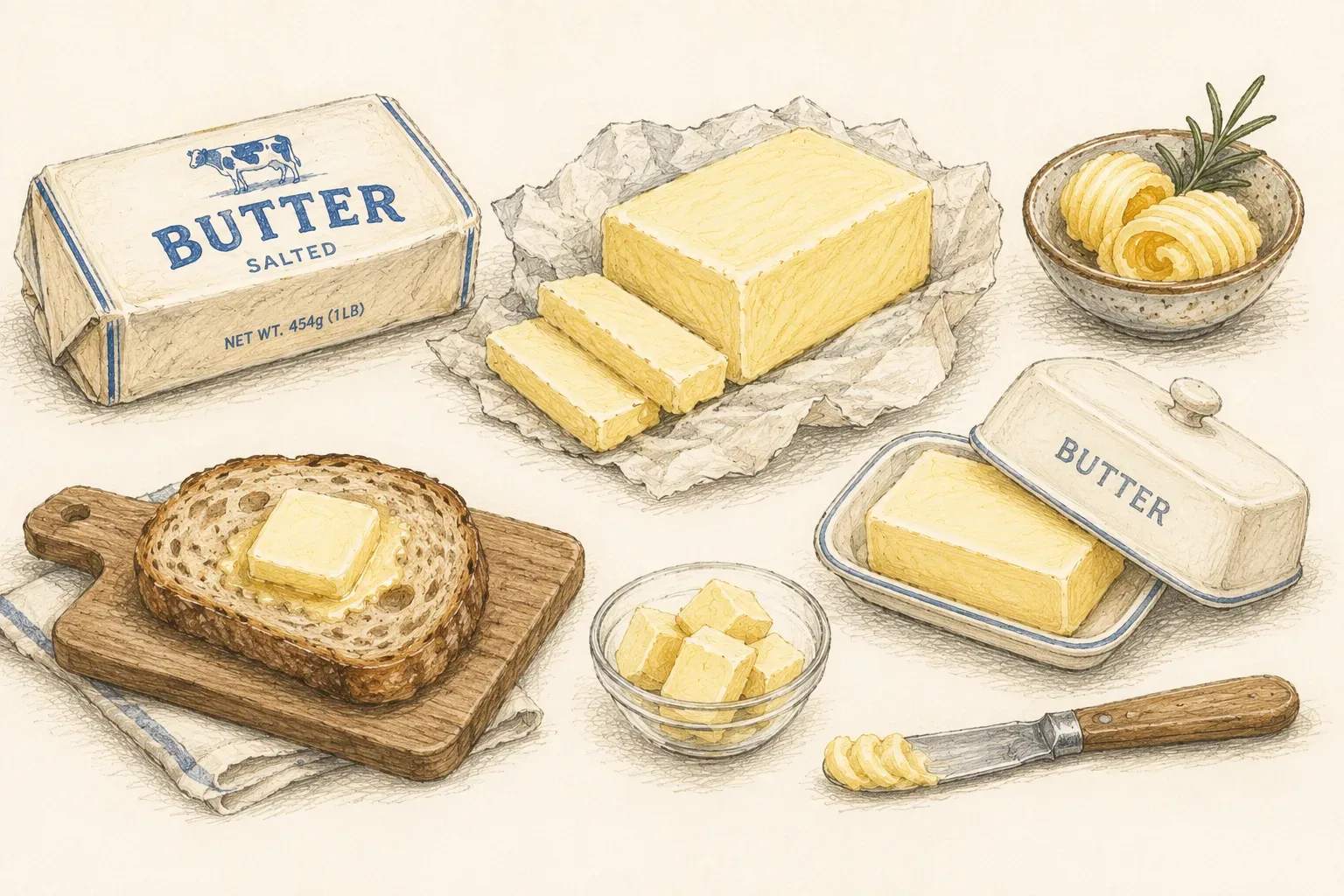
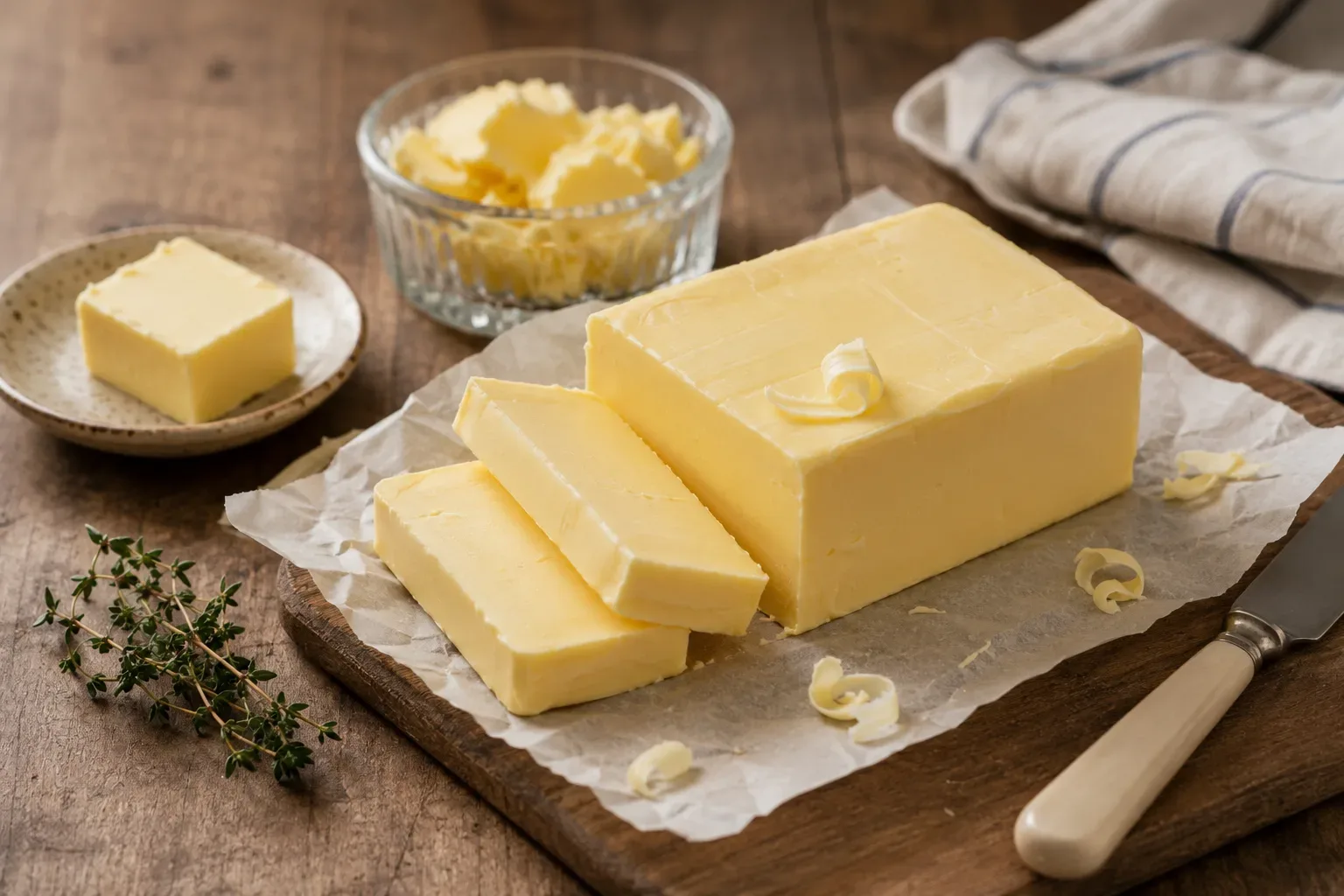
Butter is a kitchen staple that transforms ordinary dishes into extraordinary culinary experiences. Its creamy texture and rich flavor can elevate everything from baked goods to savory sauces, making it a beloved ingredient across various cuisines. Beyond its delightful taste, butter is a source of essential nutrients, particularly vitamin A, which plays a crucial role in maintaining healthy vision and skin.
As we delve into the world of butter, we will discover its signature nutrient and broader health benefits, showcasing why this creamy delight deserves a place in your kitchen.
Signature Nutrient: Vitamin A
Butter is a rich source of vitamin A, which is vital for maintaining healthy vision, immune function, and skin health. This fat-soluble vitamin contributes to the production of rhodopsin, a pigment in the retina that helps you see in low light. Additionally, vitamin A supports cell growth and differentiation, playing a key role in overall health.
Insight Tip (How to Eat): Since vitamin A is fat-soluble, it is already perfectly absorbed through the natural fats in butter. To maximize its benefits, use butter to sauté or roast colorful vegetables like carrots, spinach, or sweet potatoes—this will dramatically increase your body's absorption of the fat-soluble nutrients found in the vegetables as well.
Broader Health Benefits
In addition to vitamin A, butter contains several other important nutrients, including vitamins D, E, and K2, along with healthy fatty acids. These nutrients work together to support various bodily functions, such as promoting bone health, enhancing immune response, and aiding in the absorption of essential vitamins. The butyrate content in butter, a short-chain fatty acid, has also been linked to improved gut health and reduced inflammation.
Insight Tip (How to Eat): Butter has a relatively low smoke point because of its milk solids, which can burn easily and form harmful compounds. When cooking with butter, keep the stove on low-to-medium heat, or add it at the very end of cooking to preserve its rich flavor and nutritional integrity.
Elite Terroirs / Specialty Regions
While butter is produced worldwide, certain regions are renowned for their exceptional quality and flavor:
France: Known for its high-quality dairy, French butter often features a rich, creamy texture and is typically made from the milk of grass-fed cows, enhancing its complex, slightly cultured flavor.
Ireland: Irish butter is famous for its distinct golden color and rich taste, deeply attributed to the lush green pastures where the cows graze, producing milk with a higher butterfat content.
Vermont, USA: Vermont is celebrated for its artisanal butter, crafted from high-quality cream, often using traditional churning methods that impart a distinct, rich flavor profile.
Incorporating these specialty butters into your cooking can elevate your dishes and provide a taste of the unique terroir they originate from.
Ultimately, the healthiest foods are not always the flashiest or most expensive. Butter, with its delightful flavor and nutritional benefits, is an accessible everyday food that can restore essential vitamins and healthy fats to your diet. So, don’t hesitate to put butter on your table regularly—its versatility and richness can enhance your meals while providing important nutrients for overall health.