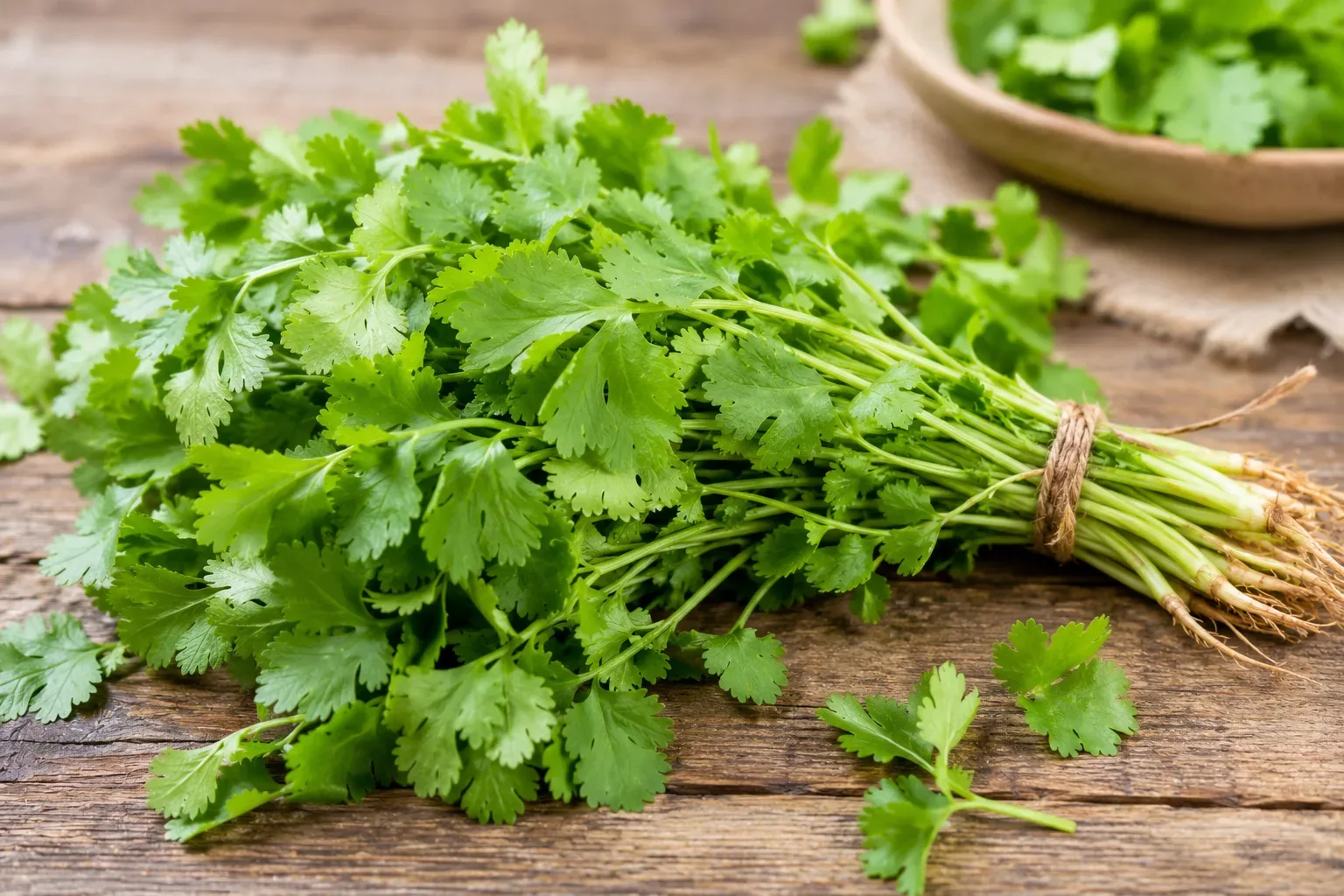
Cilantro, with its bright green leaves and distinct aroma, is a staple herb that brings freshness to dishes around the world. Whether sprinkled atop tacos, blended into salsas, or used in fragrant curries, cilantro elevates the flavor profile of any meal. Nutritionally, cilantro is known for its high content of antioxidants, particularly flavonoids, which play a crucial role in maintaining overall health.
As we delve into the health benefits of cilantro, we'll explore how this herb not only enhances your culinary creations but also supports your body in various ways.
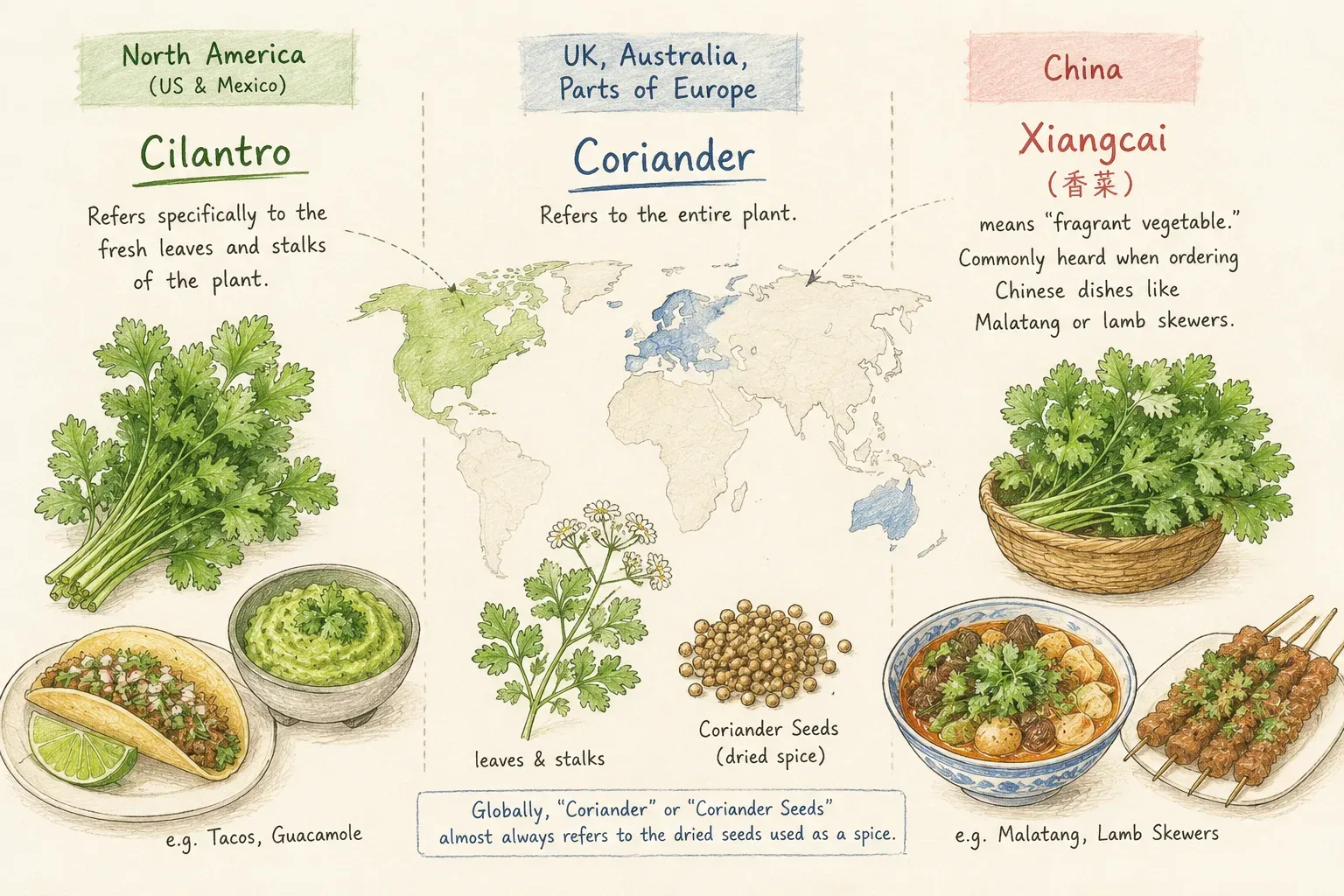
One Herb, Many Names
Depending on where you are in the world, this vibrant herb goes by entirely different names:
Cilantro: Primarily used in North America (the US and Mexico) to refer specifically to the fresh leaves and stalks of the plant. It frequently appears in descriptions of Mexican dishes like tacos and guacamole.
Coriander: Preferred in the UK, Australia, and parts of Europe for the entire plant. Globally, however, "Coriander" or "Coriander Seeds" almost always refers to the dried seeds used as a spice.
Xiangcai: The Chinese name meaning "fragrant vegetable," commonly heard when ordering Chinese dishes like Malatang or lamb skewers.
Signature Nutrient: Antioxidants
Cilantro is rich in antioxidants, primarily flavonoids, which help combat oxidative stress in the body. These compounds can protect your cells from damage and support heart health by reducing inflammation. Regular consumption of cilantro may also contribute to improved digestion and overall wellness.
Insight Tip (How to Eat): Pair cilantro with foods high in healthy fats, like avocado or olive oil, to enhance the absorption of its beneficial compounds.
Broader Health Benefits
In addition to its antioxidant properties, cilantro is a source of essential vitamins and minerals, including vitamin K, vitamin C, and potassium. Vitamin K is vital for bone health, while vitamin C supports the immune system and skin health. The potassium in cilantro can help regulate blood pressure, promoting cardiovascular wellness.
Insight Tip (How to Eat): Avoid cooking cilantro for extended periods, as heat can diminish its flavor and nutritional value. Instead, add it fresh at the end of cooking or use it as a garnish.
Elite Terroirs / Specialty Regions
Cilantro thrives in various climates, but some regions are particularly renowned for their exceptional quality:
California, USA: Known for its sunny weather and rich soil, California produces vibrant cilantro with a robust flavor.
Mexico: A key ingredient in Mexican cuisine, cilantro grown in Mexico is often celebrated for its intense aroma and taste, perfect for salsas and guacamole.
India: In Indian cooking, cilantro is indispensable, used in chutneys and curries, where it adds a fresh contrast to spices.
The healthiest foods are not always the flashiest or most expensive, and cilantro is a perfect example. This accessible herb is packed with essential nutrients, antioxidants, and flavor, making it a fantastic addition to your meals. Regularly incorporating cilantro into your diet can help restore vital minerals while enhancing the taste of your dishes.
So, next time you prepare a meal, consider adding cilantro to the table. Its vibrant flavor and health benefits make it a wonderful companion for a variety of foods, ensuring that your meals are both delicious and nourishing.