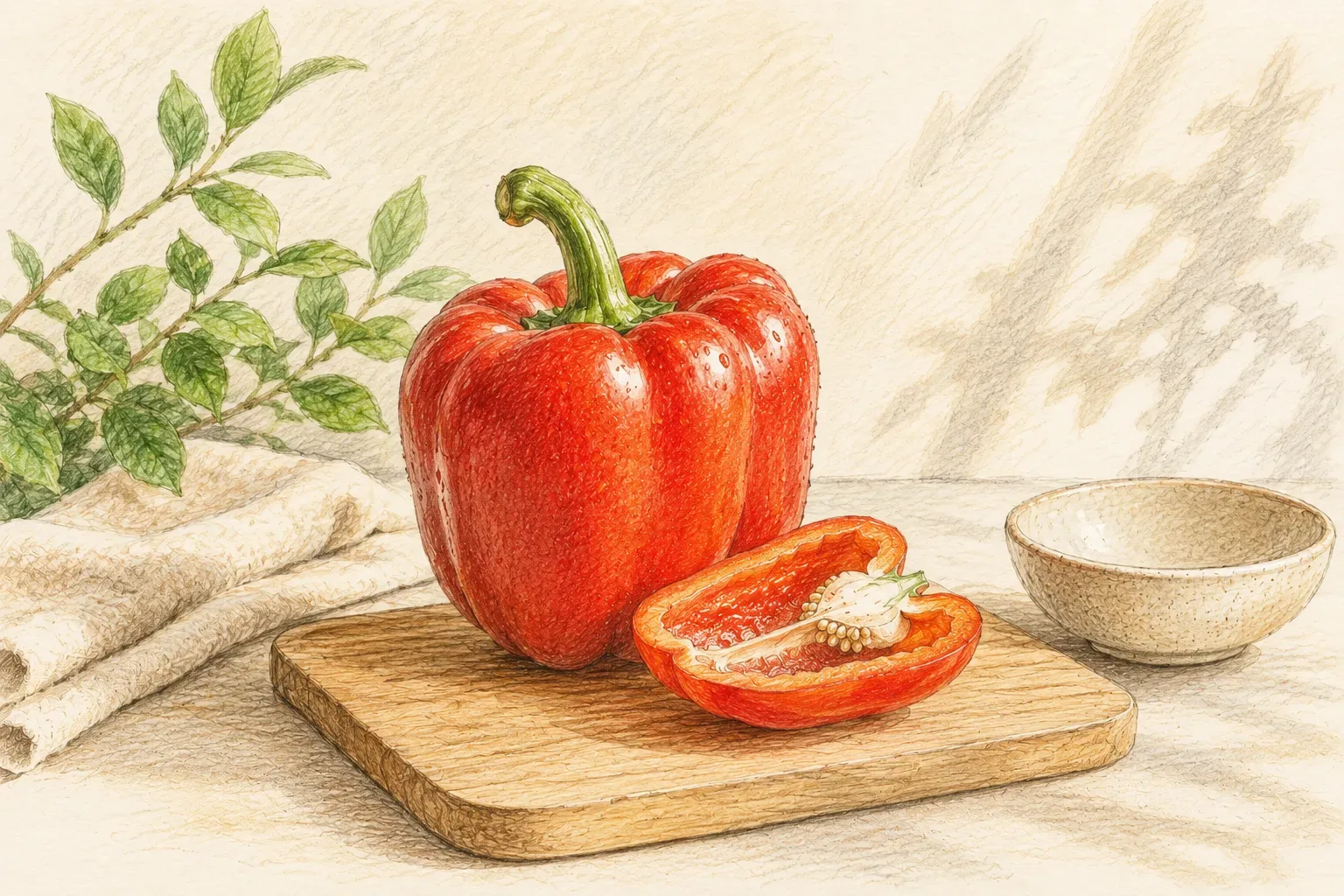
When you think of a colorful and nutritious addition to your meals, bell peppers undoubtedly come to mind. Their bright hues of red, yellow, and green not only enhance the visual appeal of your dishes but also offer a sweet crunch that elevates any recipe. Bell peppers are low in calories but high in flavor and nutrients, making them an essential component of a balanced diet.
One of the standout features of bell peppers is their high vitamin C content, which plays a vital role in supporting a healthy immune system and promoting skin health. This vibrant vegetable serves as a fantastic source of antioxidants, helping to combat oxidative stress in the body. With a variety of colors available, each bell pepper brings its own unique flavor profile and health benefits to the table.
In this guide, we will delve deeper into the nutritional profile of bell peppers, highlighting their key compounds and broader health benefits.
Signature Nutrient: Vitamin C
Bell peppers are particularly rich in vitamin C, a powerful antioxidant that supports the immune system, aids in collagen production, and enhances iron absorption. This vitamin also helps protect your skin from damage caused by UV rays and pollution.
Insight Tip (How to Eat): To maximize vitamin C absorption, enjoy bell peppers raw in salads or as snacks, or lightly steam them to retain their nutrients.
Broader Health Benefits
In addition to vitamin C, bell peppers are a good source of vitamins A and B6, folate, and fiber, all of which contribute to overall health. The antioxidants found in bell peppers can help reduce inflammation, lower blood pressure, and improve heart health. Their fiber content promotes digestive health, making them a great choice for maintaining a healthy gut.
Insight Tip (How to Eat): Avoid overcooking bell peppers, as this can diminish their nutrient content. Instead, try roasting or grilling them to enhance their natural sweetness while preserving their health benefits.
Elite Terroirs / Specialty Regions
While bell peppers are cultivated worldwide, certain regions are renowned for their exceptional varieties:
California, USA: Known for its warm climate and fertile soil, California produces a wide range of bell pepper varieties, including the popular California Wonder, which is celebrated for its sweetness and crunch.
Spain: Spain is famous for its premium sweet bell peppers, particularly the Lamuyo variety. Characterized by its large, elongated shape and thick, juicy flesh, it is highly prized in European markets for its intense sweetness.
Italy: The sweet Italian pepper, or 'peperone,' is a staple in Mediterranean cuisine, often used in stuffed pepper recipes or roasted alongside other vegetables.
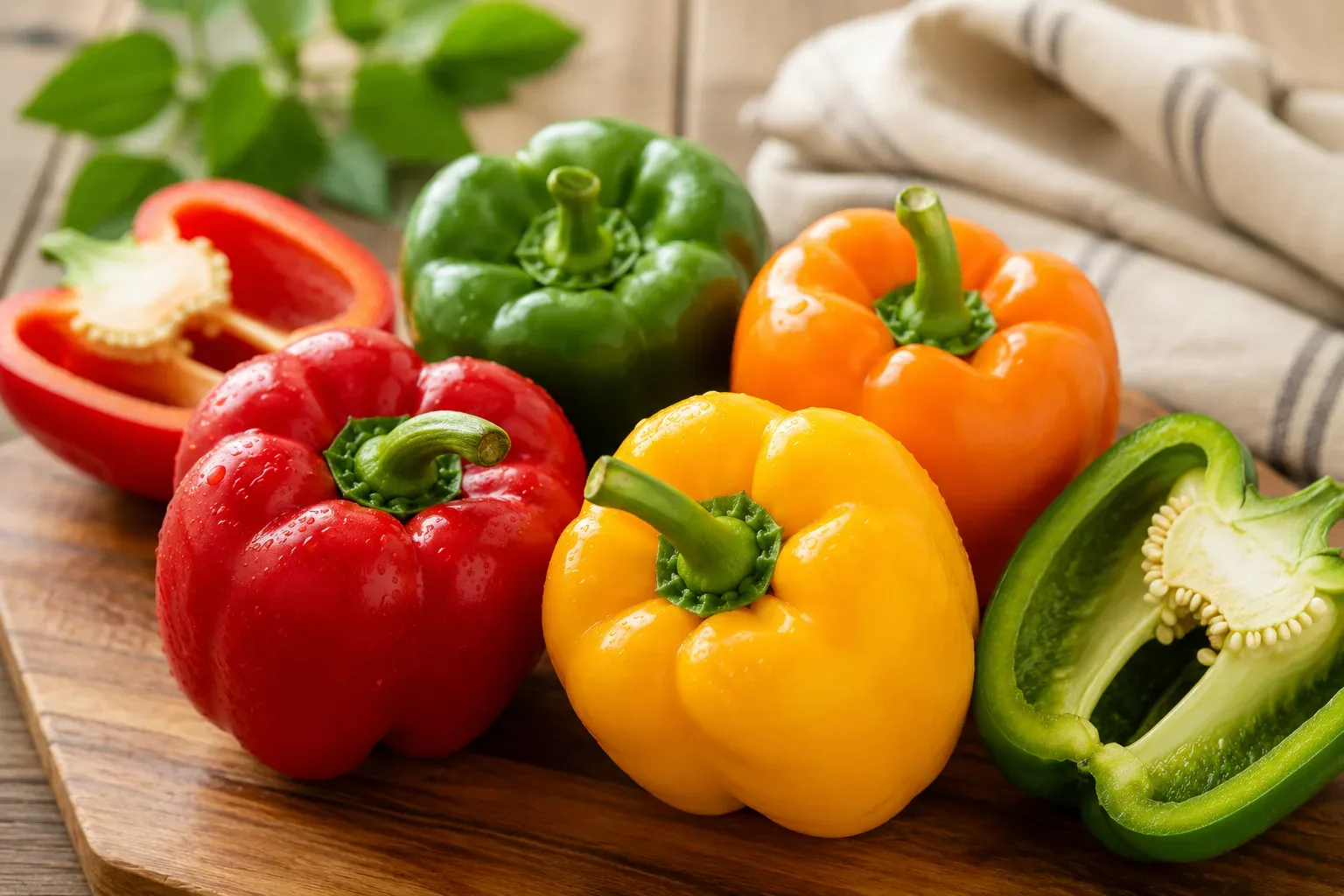
In conclusion, the healthiest foods do not always have to be the most extravagant or colorful. Bell peppers are a perfect example of an accessible everyday food that offers a wealth of vitamins, minerals, and antioxidants. Their versatility allows them to shine in a variety of dishes, from salads to stir-fries. By incorporating bell peppers into your meals regularly, you can enjoy their delightful crunch while reaping the numerous health benefits they provide. So, the next time you're planning your grocery list, make sure to add these vibrant vegetables to your table!