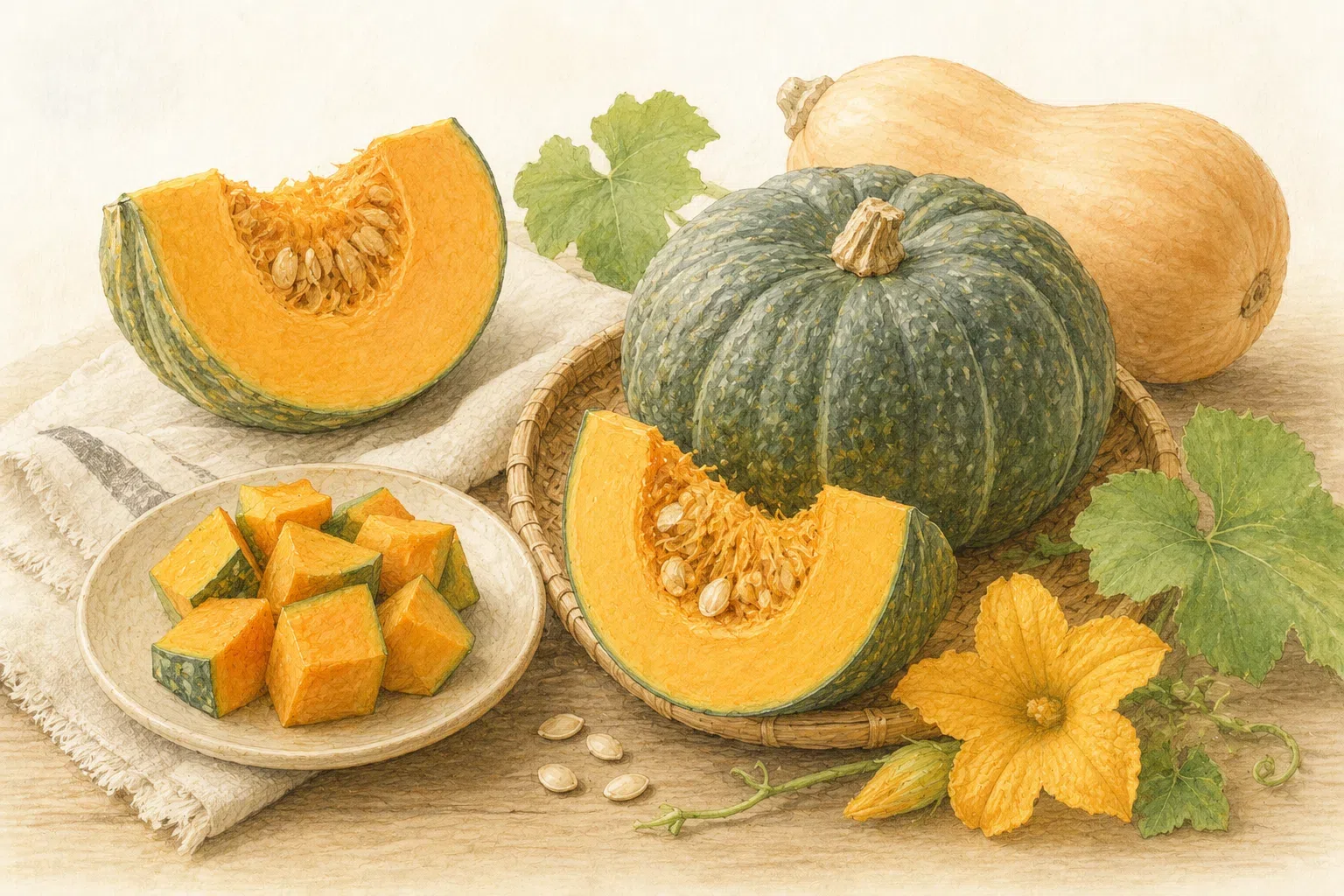
In the colorful world of fruits and vegetables, golden yellow and deep orange hues signal the rich presence of carotenoids—natural plant pigments that protect crops from environmental stress while offering exceptional health benefits to humans.
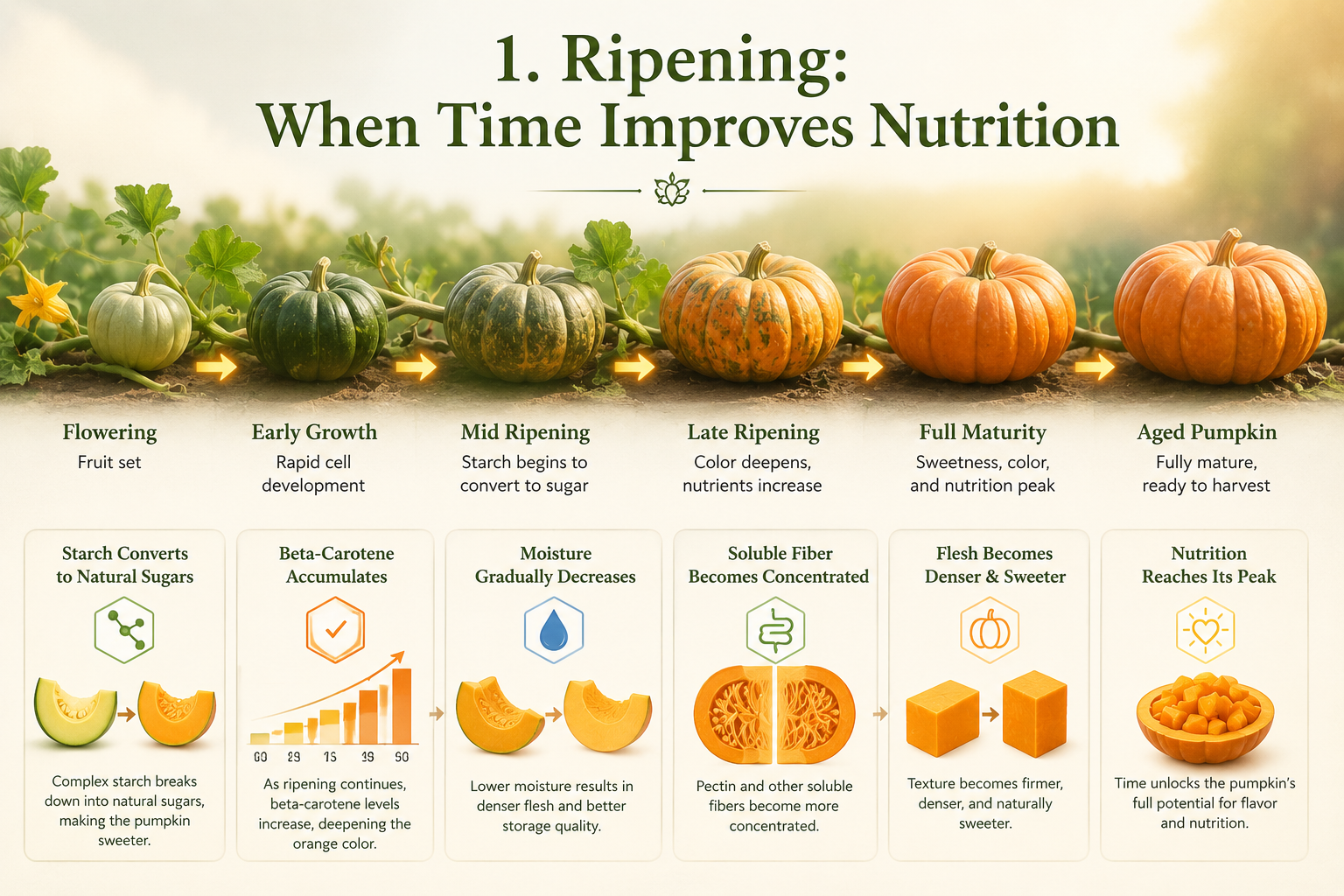
Among winter squash varieties—from traditional aged pumpkins to sweet kabocha (danhobak)—few foods illustrate the magic of natural maturation as clearly as squash. As it ripens slowly on the vine, starches convert into natural sugars, beta-carotene accumulates, and the flesh becomes dense, sweet, and packed with vital nutrients.
Let’s explore what makes squash one of nature’s most remarkable golden superfoods.
1. Signature Nutrient: Beta-Carotene (Nature's Golden Antioxidant)
One of the greatest nutritional advantages of mature squash and pumpkin is its naturally high concentration of beta-carotene. Inside the human body, beta-carotene is converted into vitamin A as needed, supporting:
Healthy Vision: Protects eye tissues and maintains night vision.
Immune Support: Strengthens cellular defenses against oxidative stress.
Skin Health: Promotes skin cell regeneration and maintains healthy mucous membranes.
💡 Insight Tip (How to Eat):
Beta-carotene is fat-soluble. Roasting or steaming squash and pairing it with healthy fats—such as olive oil, nuts, seeds, or avocado—significantly enhances nutrient absorption.
2. Broader Health Benefits
Beyond beta-carotene, winter squash is a low-calorie, nutrient-dense ingredient that provides comprehensive health benefits:
Dietary Fiber & Pectin: Supports healthy digestion, balances gut flora, and regulates blood sugar levels. When eating kabocha squash, keeping the dark green skin intact maximizes your fiber and phytochemical intake.
Potassium for Heart Health: Helps regulate fluid balance and blood pressure by assisting in sodium excretion.
Vitamins C & B6: Assists in energy metabolism and boosts vitality.
💡 Insight Tip (How to Eat):
Blending cooked squash into a smooth purée or porridge creates a naturally creamy, comforting texture without needing heavy cream or butter, keeping the meal light and easy to digest.
3. Elite Terroirs and Specialty Varieties
Squash and pumpkin are cultivated around the world, each variety offering unique textures and flavor profiles:
Korean Maetdol Pumpkin (Aged Pumpkin): A heritage Korean variety renowned for its flattened shape and long ripening period. Fully matured Maetdol pumpkins feature dense, velvety flesh and rich sweetness—ideal for traditional soups, porridges, and roasts.
Korean Danhobak (Kabocha Squash): Beloved for its chestnut-like sweetness and firm texture. It is a star ingredient in comforting dishes like danhobak-juk (sweet pumpkin porridge) and roasted side dishes.
Hokkaido, Japan: Famous for producing premium kabocha squash with exceptional sweetness and a rich, creamy texture due to its mineral-rich volcanic soil.
California, USA: Known for its warm climate, producing sweet and tender winter squash varieties popular across North American cuisine.
4. Built to Last: Exceptional Shelf Life
One remarkable characteristic of fully matured squash and aged pumpkin is its natural storage ability. Its thick rind protects the flesh, while its relatively low moisture content helps slow spoilage compared with many fresh vegetables. For centuries, people harvested mature winter squash in autumn and stored them throughout the colder months, providing an essential source of energy, fiber, and nutrients when fresh produce was scarce. This exceptional shelf life remains one of the defining practical advantages of fully matured pumpkins today.
5. Korean Maetdol Pumpkin & Specialty Varieties
Among the many winter squash varieties cultivated around the world, Korea's traditional Maetdol Pumpkin (Maetdol-hobak) is especially renowned for its dense flesh and long ripening period. Its distinctive flattened shape and thick rind make it particularly suitable for full maturation on the vine. When fully ripened, Maetdol pumpkins are celebrated for:
Dense, velvety flesh with a rich golden-orange color
Naturally concentrated sweetness as starches convert to natural sugars
Versatile texture ideal for roasting, soups, purées, and traditional Korean porridges (hobak-juk)
Like many heritage varieties, its exceptional quality comes from allowing the fruit enough time to mature naturally, offering a true taste of time and tradition.
The colors of our food tell the story of how plants grow, adapt, and protect themselves.
Aged pumpkin is a perfect example of how natural ripening can enhance both flavor and nutrition. As starches become sugars and carotenoids continue to accumulate, the pumpkin develops its signature sweetness, vibrant color, and impressive nutritional value.
Sometimes the greatest transformation in food doesn't come from processing or technology—it comes simply from giving nature the time to finish its work.