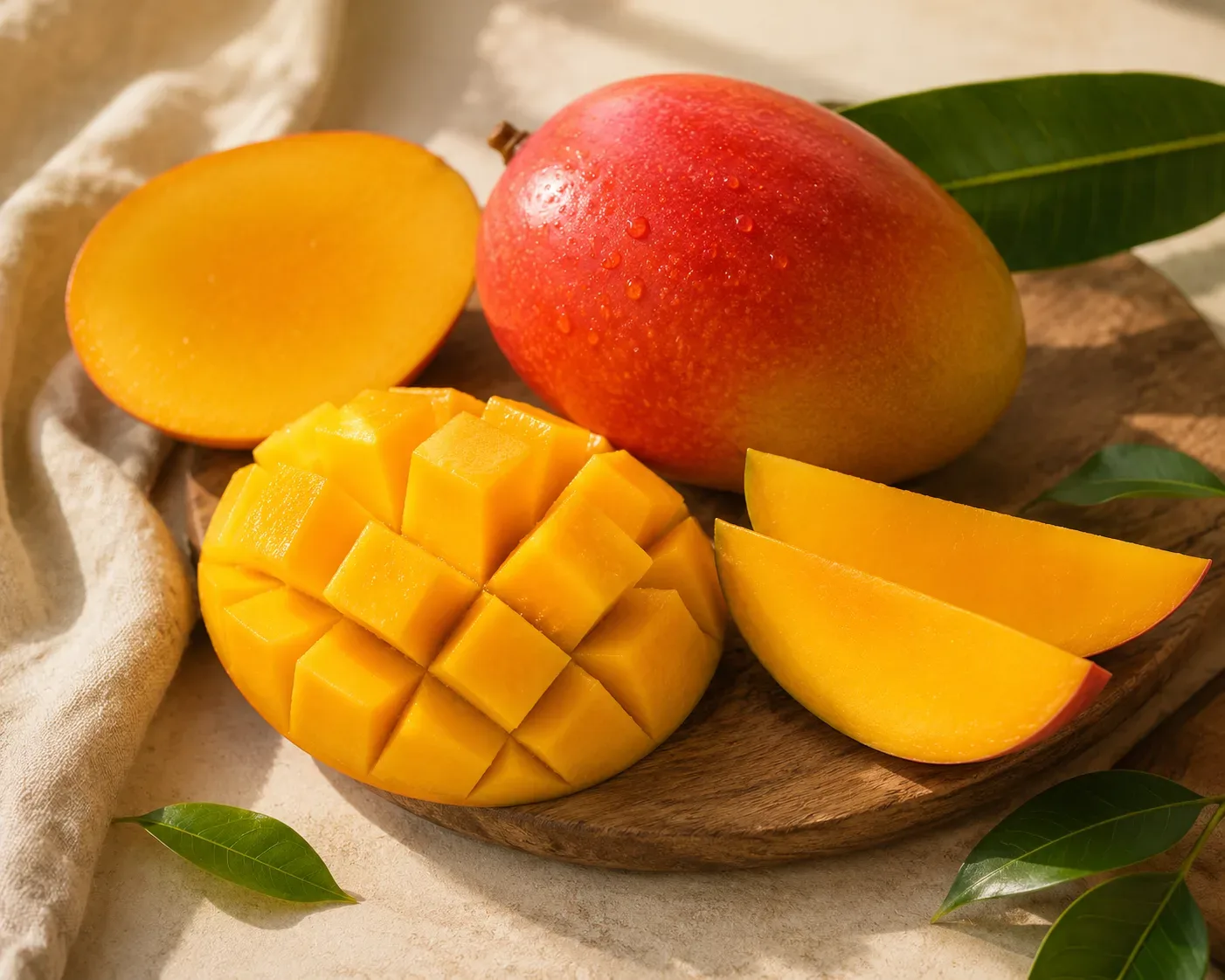
Imagine a vibrant plate adorned with slices of ripe mango, their golden-orange hue radiating warmth and sweetness. This tropical gem not only tantalizes the taste buds with its juicy, fragrant flesh but also brings a wealth of nutrition to your table. Rich in vitamin C and powerful antioxidants, mangoes are far more than just a luxurious dessert or salad topping—they play a vital role in protecting and nourishing your body.
The striking color of mango is a visual testament to its high content of beta-carotene, a natural pigment that supports skin health and acts as a shield against aging. Let’s dive deeper into the nutrients and smart ways to enjoy this beloved tropical favorite.
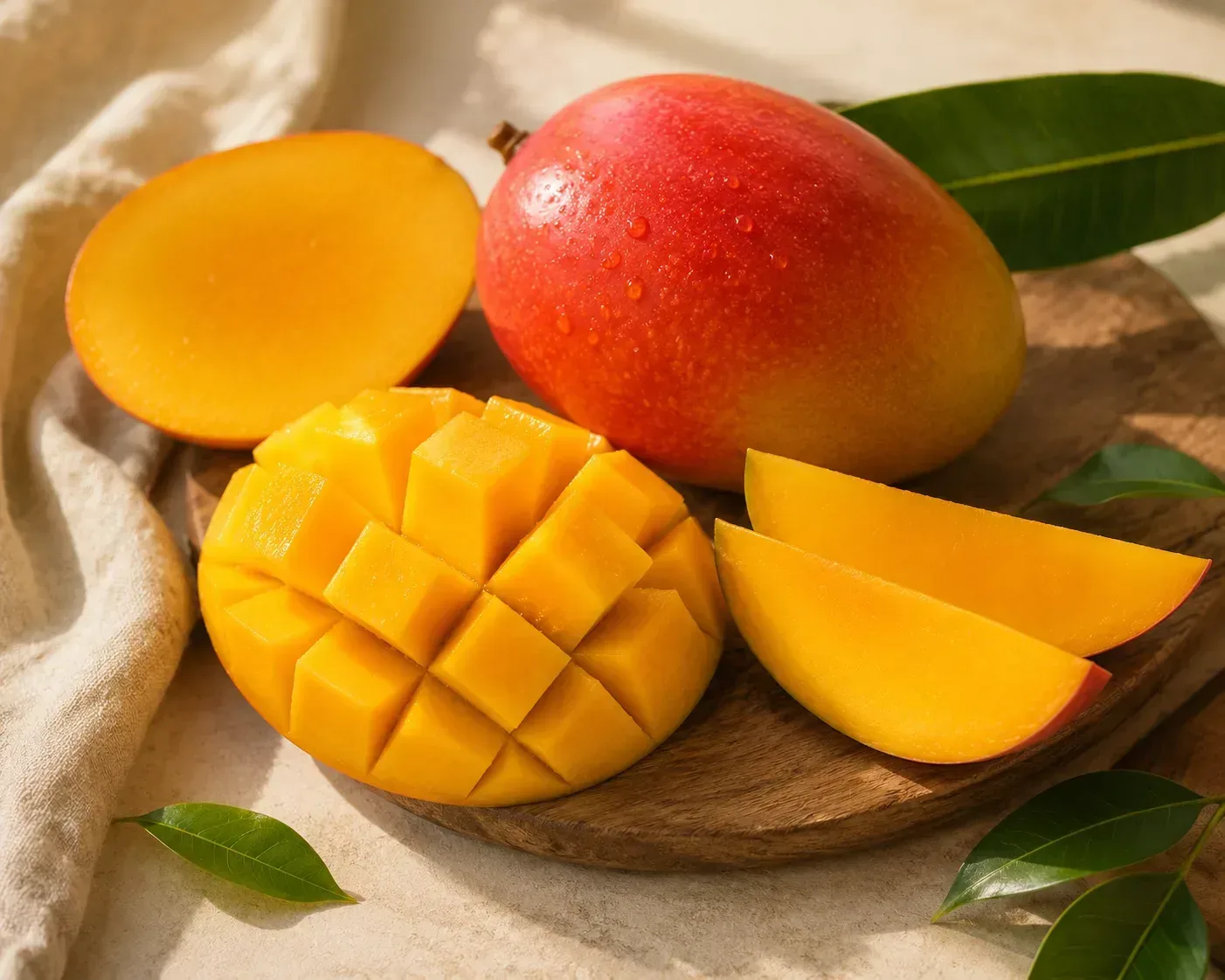
Signature Nutrients: Vitamin C & Beta-carotene
Mangoes are an outstanding source of vitamin C, a crucial water-soluble vitamin that fuels your immune system and stimulates collagen production for radiant skin. This delicious fruit is also packed with beta-carotene (which the body converts to vitamin A). Working together, these antioxidants neutralize harmful free radicals, protecting cells from oxidative stress and boosting overall vitality.
💡 Insight Tip (How to Eat) Pair your mango with a source of healthy fats, such as avocado, whole yogurt, or a handful of nuts. Because beta-carotene is a fat-soluble nutrient, consuming it alongside healthy fats significantly enhances its absorption rate in your digestive tract.
Digestion and Cardiovascular Support
Beyond its headline vitamins, mango provides a balanced blend of minerals and natural compounds designed to support bodily harmony:
Natural Digestive Enzymes: Mangoes contain amylases, a group of active digestive enzymes that break down complex carbohydrates. Enjoying mango after a meal can gently soothe digestion and prevent bloating.
Heart and Vision Health: Loaded with potassium, mangoes help regulate blood pressure and balance sodium levels. They also deliver rich amounts of vitamins A and E, protecting eye health and keeping blood vessels resilient.
⚠️ Allergy Safety Tip (How to Eat) Mangoes belong to the Anacardiaceae (cashew/poison ivy) family. The skin, stems, and sap of the fruit contain urushiol, the chemical compound responsible for causing contact dermatitis (itchy rashes or swelling). To enjoy mango safely, avoid biting directly into the skin. It is highly recommended to wear gloves if you have sensitive skin, peel the fruit thoroughly, and slice the flesh away from the skin before eating.
Elite Terroirs & Specialty Regions
While mangoes are grown throughout tropical zones, specific geographic microclimates yield legendary varieties highly prized by gourmands:
Alphonso (India)
Widely crowned as the "King of Mangoes," Alphonso is celebrated for its unparalleled sweetness, fiberless flesh, and deeply complex, saffron-like aroma. It owes its luxurious, buttery texture to the unique, mineral-rich soil of Western India.
Haden (Florida, USA)
Nurtured under the intense Florida sun, the Haden variety is famous for its bright crimson-blushed skin and bold, rich flavor. It remains a historic cornerstone of North American mango culture.
Kesar (India)
Grown in the foothills of Gujarat, the Kesar mango is fondly called the "Queen of Mangoes." It is intensely aromatic and features a brilliant orange pulp that mimics the color of saffron, leaving a lasting, sweet aftertaste.
The healthiest foods do not need to be rare, expensive, or overly engineered. Mango stands as a beautiful example of an accessible, whole-food ingredient that delivers gourmet pleasure alongside world-class nutrition. Adding fresh mango to your morning smoothies or tossing it into a savory salad is a simple way to elevate your daily meals.
The next time you are browsing the produce aisle, bring home a few of these golden treasures. Your body will thank you for the clean energy, and your taste buds will rejoice in the luscious flavors of the tropics!