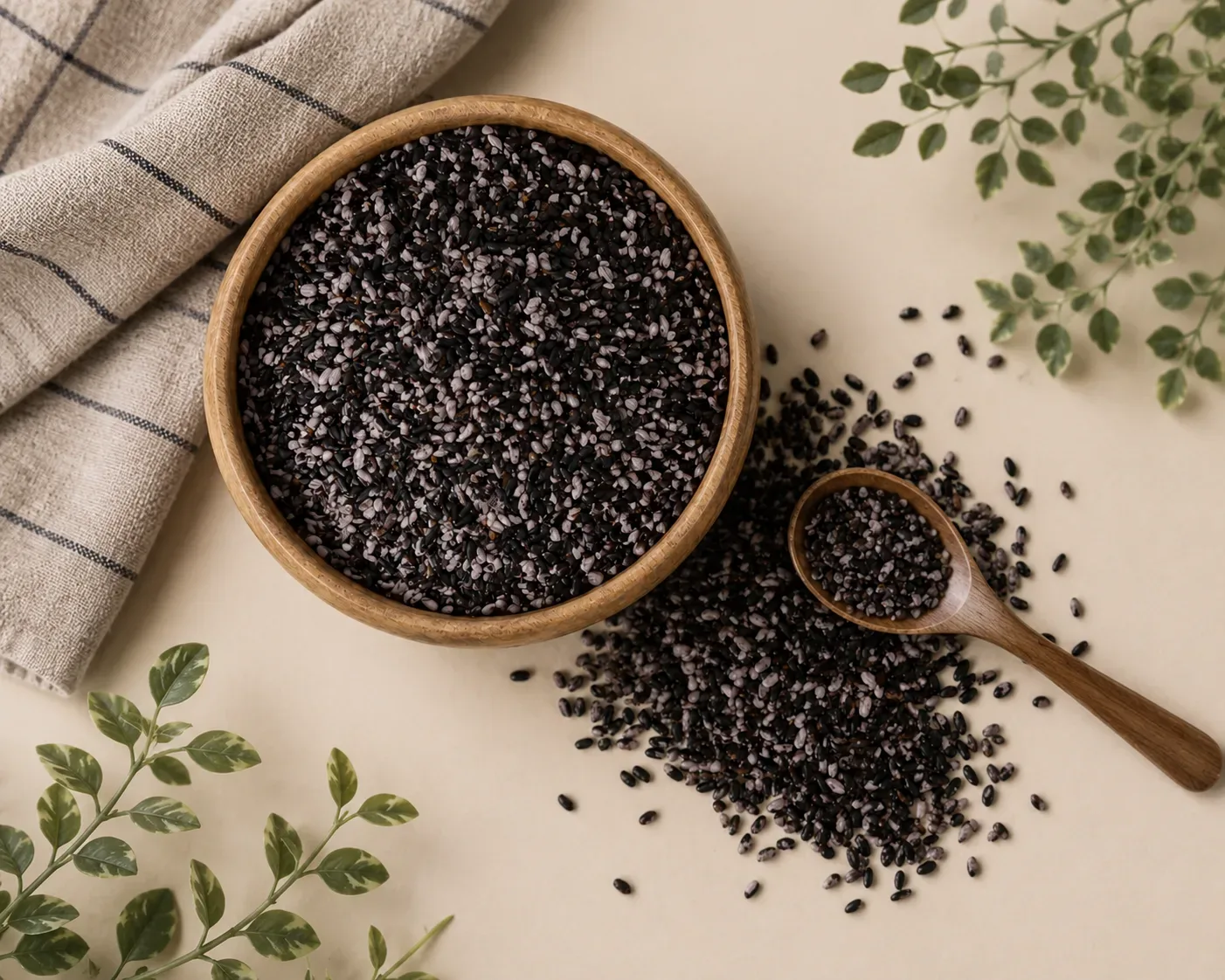
Imagine a plate adorned with the rich, deep hue of black glutinous rice, its glossy grains glistening like tiny jewels. This unique variety of rice is not only visually stunning but also packed with exceptional nutrients. Widely featured in both sweet Asian desserts and savory main dishes, black glutinous rice is a nutritional powerhouse boasting a wealth of antioxidants, particularly anthocyanins.
By incorporating black glutinous rice into your meals, you can support cardiovascular health, fight aging, and boost your energy levels. Let's explore the signature benefits of this purple-black super-grain.
Signature Nutrient: Anthocyanins
The standout feature of black glutinous rice is its incredible concentration of anthocyanins—the very same natural pigments that give blueberries and blackberries their deep purple color. As a class of potent antioxidants, anthocyanins help combat oxidative stress and cellular damage. They are widely recognized for improving cholesterol profiles, promoting blood vessel health to protect the heart, and defending the skin against signs of aging.
💡 Insight Tip (How to Eat) Try cooking or pairing black glutinous rice with vitamin C-rich or slightly acidic foods like citrus fruits. Anthocyanins are highly sensitive to pH levels; they remain structurally stable and resistant to heat damage in acidic environments. This preserves their nutritional integrity and maximizes antioxidant synergy.
Broader Health Benefits
Beyond anthocyanins, black glutinous rice is an excellent source of essential vitamins, minerals, and dietary fiber that support daily vitality:
Energy Production: It is rich in vitamins B1 (thiamine) and B3 (niacin), which are crucial for cellular energy conversion and reducing fatigue.
Blood Sugar Control: High in dietary fiber, it slows down glucose absorption, preventing sharp blood sugar spikes and promoting long-lasting satiety.
Blood Vitality: Packed with plant-based iron, it supports healthy oxygen circulation and sustained energy levels throughout the day.
💡 Insight Tip (How to Eat) To preserve its rich nutrients, avoid washing black glutinous rice too aggressively or using excessive boiling water that you later discard, as anthocyanins are water-soluble. Soaking the rice beforehand and using the soaking water to cook it is an excellent way to capture every bit of its health benefits.
Elite Terroirs and Culinary Traditions
Black glutinous rice has been cultivated for centuries in specific regions where the soil and climate bring out its deep nutty aroma and perfect chewy texture:
Thailand
Renowned for producing premium black rice varieties with a distinct nutty flavor and sweet aroma. It is a star ingredient in traditional Thai desserts, often paired with sweet coconut milk and fresh mango.
Vietnam
A traditional staple in Vietnamese festival dishes. Its exceptional stickiness makes it the ideal base for sticky rice cakes, sweet treats, and celebratory foods.
China
Historically known as "Forbidden Rice" because it was once reserved exclusively for the Chinese Emperor due to its rarity and health benefits. Today, it is widely utilized in nourishing rice puddings, sweet soups, and healthy side dishes.
We often look for health solutions in expensive supplements, but some of the most powerful superfoods are simple, everyday grains. Black glutinous rice is an accessible, nutritious staple that delivers essential minerals, fiber, and world-class antioxidants directly to your plate.
The next time you prepare your meals, consider adding a handful of this dark, flavorful grain to your rice cooker. It is a simple yet elegant way to elevate both your health and your dining experience.