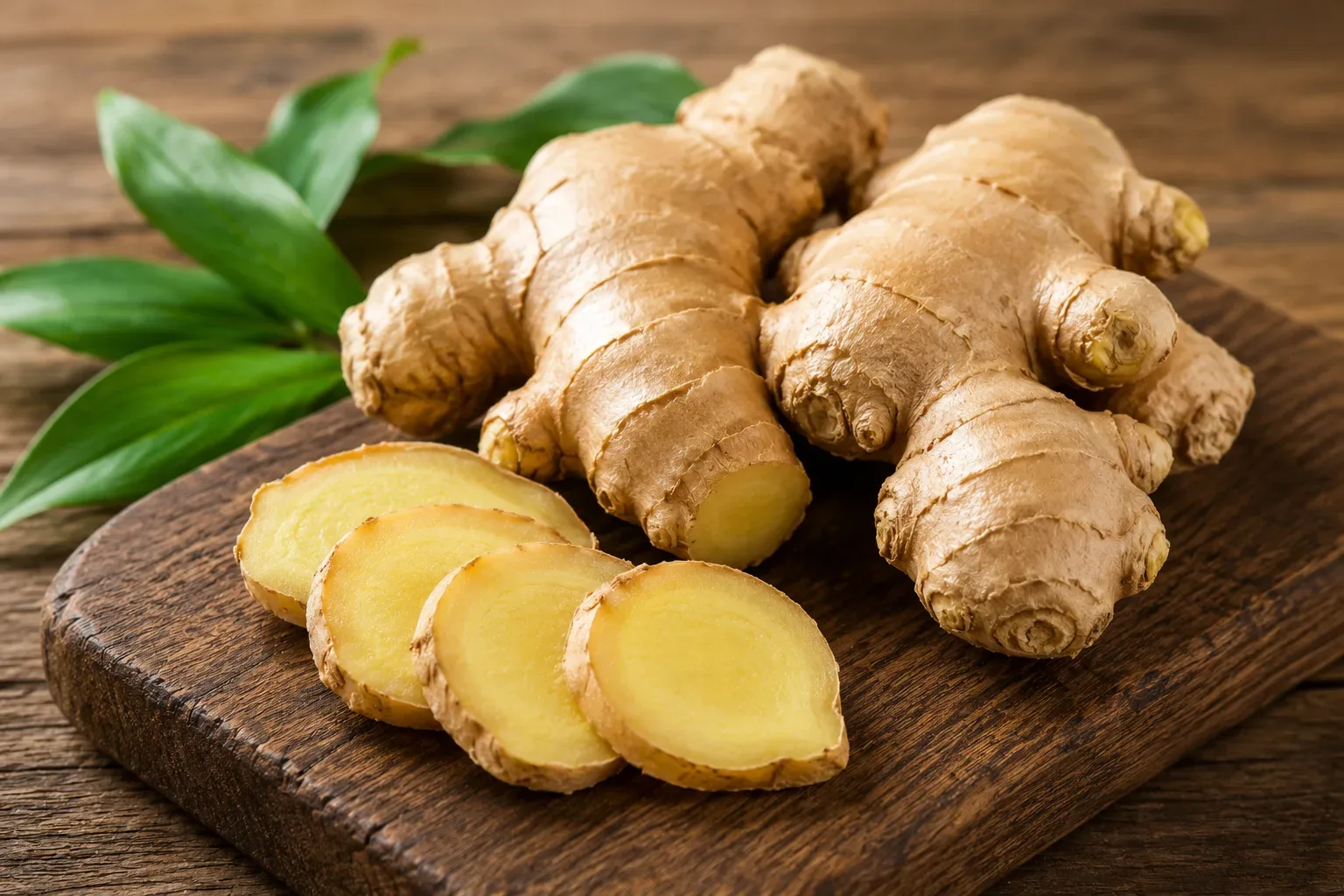
Ginger, with its warm, spicy notes and distinct aroma, is a culinary staple that brings vibrant flavor to countless dishes. Whether used fresh, dried, or powdered, this versatile spice is a key ingredient in many global cuisines, from Asian stir-fries to hearty curries. Beyond its culinary prowess, ginger is celebrated as a natural remedy, largely thanks to its potent bioactive compound, gingerol.
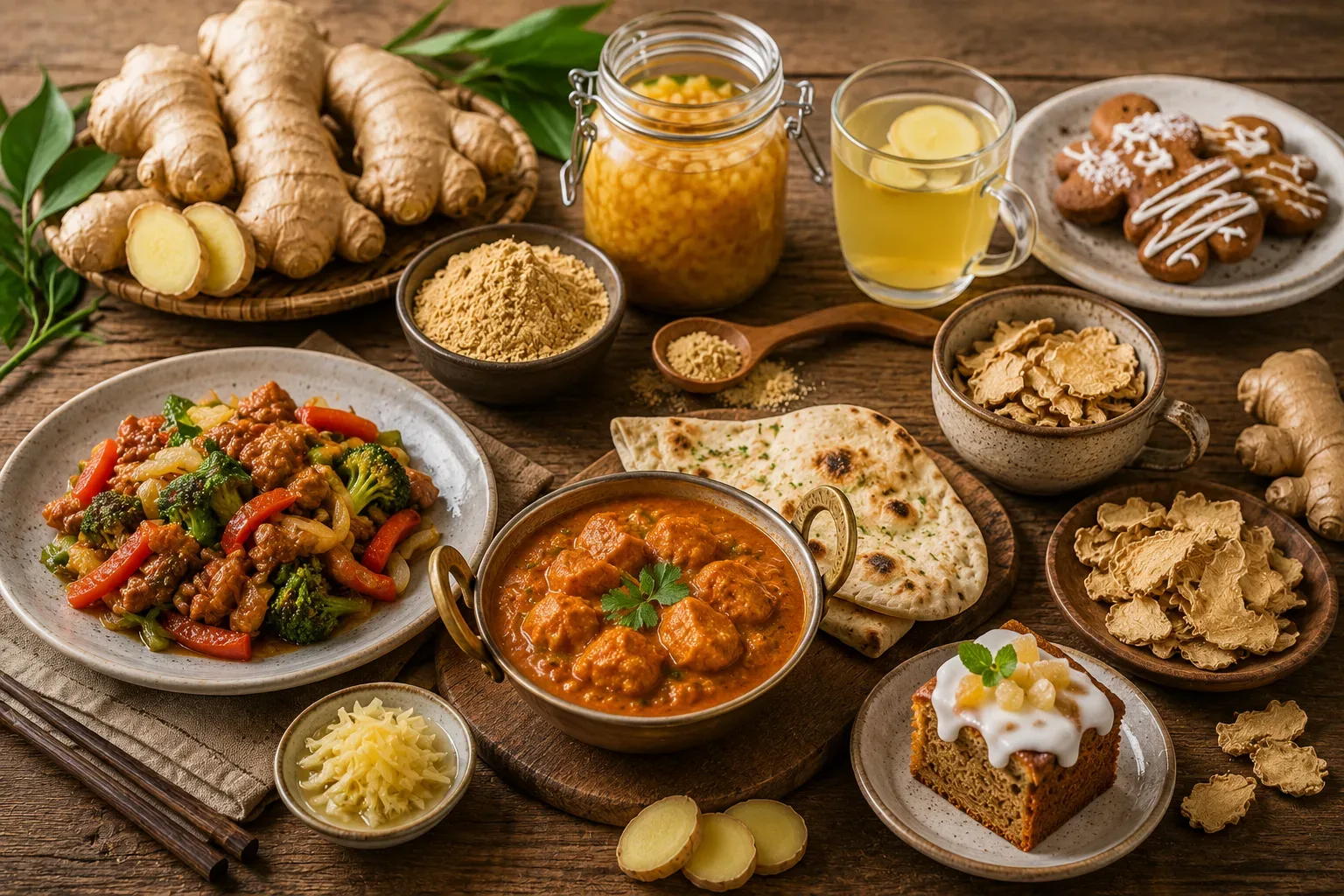
Known for its anti-inflammatory and antioxidant properties, gingerol makes ginger a powerful ally for your immune system. Here is a look at the core benefits of ginger and the best ways to incorporate this remarkable spice into your wellness routine.
Signature Nutrient: Gingerol
Gingerol is the primary bioactive compound responsible for ginger’s unique spicy flavor and vast medicinal benefits. It helps reduce oxidative stress and inflammation, thereby supporting cardiovascular health and improving circulation. Additionally, gingerol is widely acclaimed for its ability to soothe the digestive tract, ease nausea, and alleviate morning sickness or motion sickness.
💡 Insight Tip (How to Eat) When ginger is heated or dried, a portion of its gingerol is converted into shogaol. Shogaol has an even stronger warming effect on the body and boasts superior antibacterial properties. If you are feeling under the weather or have cold hands and feet, enjoy ginger in warm teas or cooked dishes rather than raw.
Broader Health Benefits
In addition to gingerol, ginger contains a balanced profile of essential vitamins and minerals that boost overall vitality:
Immune Support: It provides essential antioxidants and vitamin C to help strengthen your body’s natural defenses.
Muscle & Nerve Vitality: It contains magnesium and potassium, which play key roles in regulating blood pressure and supporting healthy muscle function.
Gut Health Restoration: The natural oils in ginger stimulate digestive enzymes and encourage a balanced, healthy gut environment.
💡 Insight Tip (How to Eat) Because ginger is highly warming and naturally pungent, excessive consumption can irritate the stomach lining and cause mild heartburn. A small daily portion—about 1 to 2 teaspoons (3 to 4 grams) of freshly grated ginger—is more than enough to reap its full health benefits safely.
Elite Terroirs / Specialty Regions
Ginger’s flavor, heat level, and aroma vary beautifully depending on the climate and soil in which it is grown:
Jamaican Ginger
Highly prized as one of the finest ginger varieties in the world. It is famous for its intensely sharp flavor profile and deep, aromatic qualities, making it a favorite for premium culinary dishes and herbal tonics.
Indian Ginger
As one of the world's largest producers, India offers varieties with robust heat and earthy undertones. It serves as a cornerstone in traditional Ayurvedic practices and rich spice blends.
Chinese Ginger
Typically plump, juicy, and milder in heat. Its balanced, subtle warmth makes it incredibly versatile for everyday Asian cooking, pickling, and brewing soothing teas.
While many modern diets chase exotic and expensive superfoods, ginger reminds us that some of the most powerful natural remedies have been sitting in our kitchens for centuries.
This humble root not only restores essential antioxidants and minerals but also brings a comforting warmth that supports overall wellness. By regularly incorporating a touch of ginger into your meals or enjoying it as a warm, freshly brewed tea, you can elevate both the flavor of your food and the strength of your health.