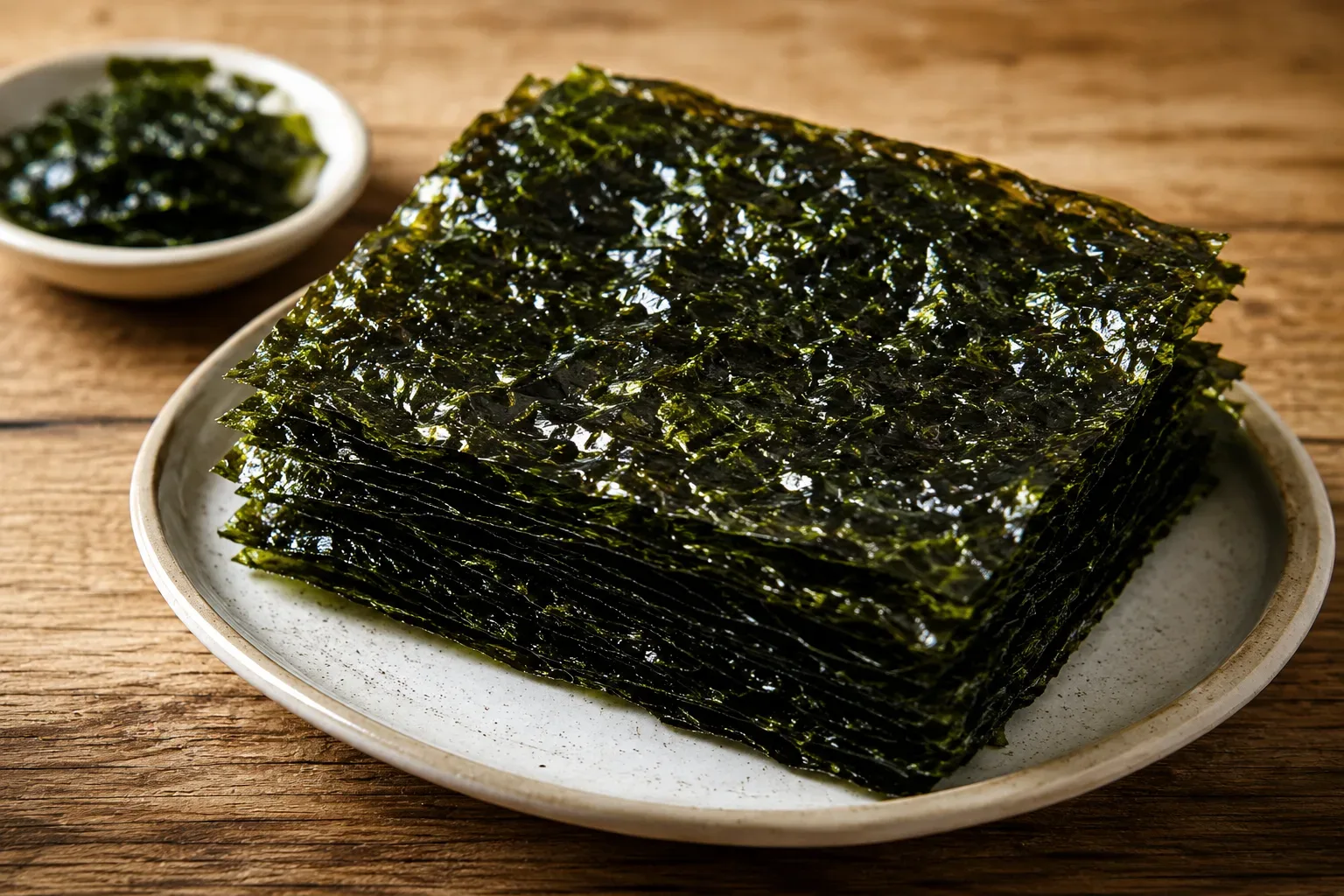
Among the countless edible plants on Earth, very few can rival the nutritional complexity of sea vegetables. Unlike land-grown crops, seaweeds draw minerals directly from seawater, concentrating rare micronutrients that are difficult to obtain elsewhere.
Among them, Nori stands as one of the world's most widely consumed edible seaweeds. While many people recognize it simply as the wrapper around sushi or kimbap, nutritional science views nori quite differently: as an exceptionally dense source of marine bioactive compounds that support metabolism, immunity, and healthy aging.
For centuries, Korea and Japan have regarded nori as a daily staple rather than a specialty food. Modern research increasingly supports that tradition.
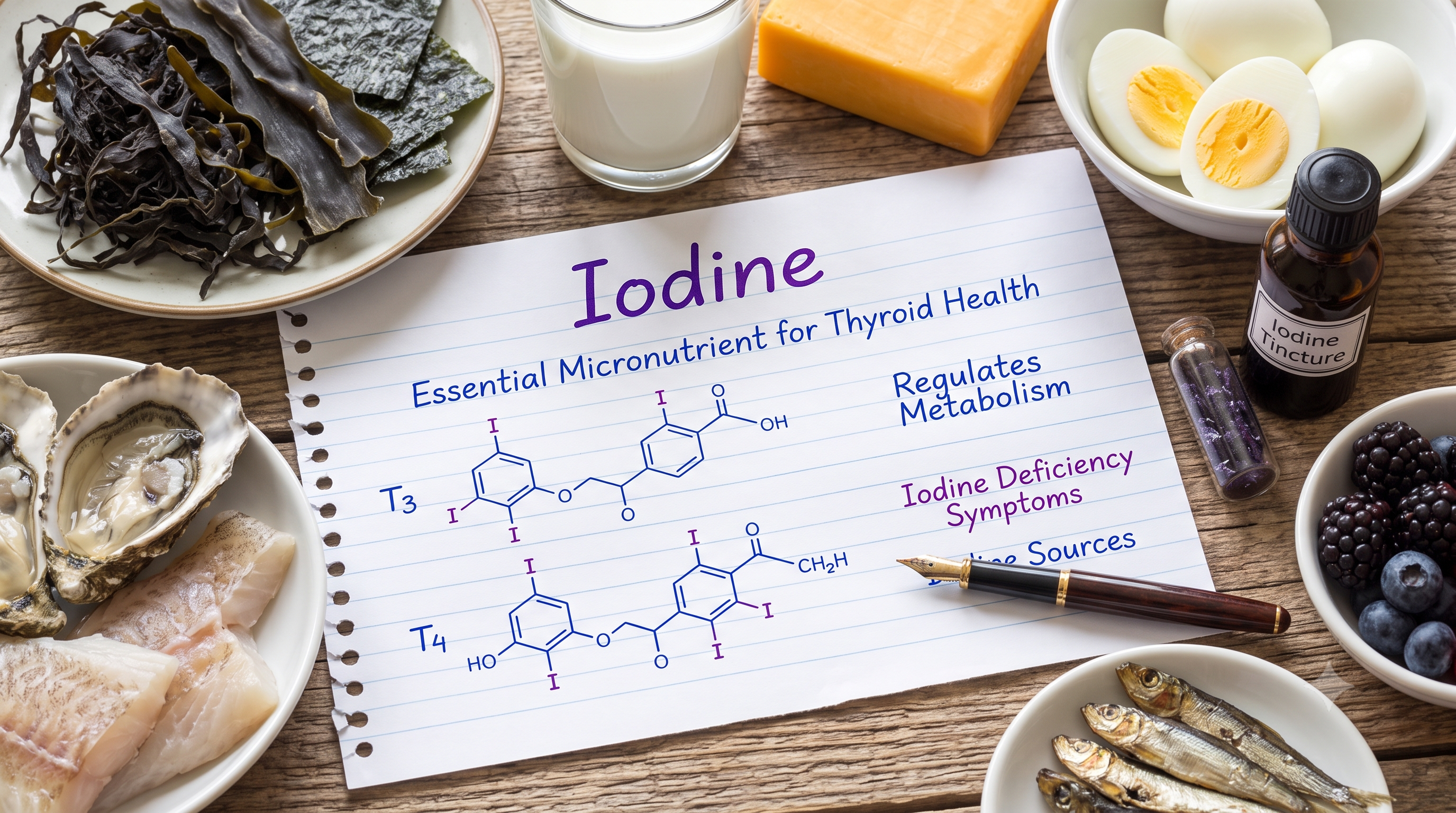
1. Iodine: The Micronutrient That Controls Your Body's Metabolic Engine
Every cell in the human body depends on thyroid hormones to regulate energy production.
Without sufficient iodine, the thyroid struggles to produce these hormones, slowing metabolism and affecting numerous biological systems.
Nori naturally provides iodine in a bioavailable form, helping maintain healthy thyroid function, cognitive performance, body temperature regulation, and energy metabolism.
Unlike many processed supplements, iodine from whole seaweed comes packaged alongside supportive minerals that naturally occur in marine ecosystems.
Insight Tip (How to Eat):
Nori should be consumed regularly but moderately. Eating a few sheets several times per week generally provides meaningful nutritional benefits without excessive iodine intake. Pairing nori with seafood, eggs, or rice creates a balanced meal while enhancing overall mineral diversity.
2. Marine Antioxidants: Nature's Cellular Defense System
Nori contains unique marine compounds rarely found in terrestrial vegetables.
Among these are carotenoids, chlorophyll, phycobiliproteins, and marine polyphenols that help neutralize oxidative stress generated by daily metabolism and environmental exposure.
These compounds may help:
protect cells from oxidative damage
support cardiovascular health
reduce chronic inflammation
promote healthy immune function
Unlike brightly colored fruits, nori's dark green appearance hides an extraordinary concentration of protective pigments developed to survive intense sunlight and harsh ocean environments.
Insight Tip (How to Eat):
Lightly roasting nori for just a few seconds enhances aroma and crispness while preserving most of its valuable nutrients. Avoid prolonged high-temperature cooking, which can degrade delicate vitamins and antioxidants.
3. The Ocean's Fiber: Feeding the Gut Without Feeding Blood Sugar
One of nori's most overlooked benefits lies in its unique dietary fibers.
These marine polysaccharides behave differently from typical plant fiber found in grains or vegetables.
Rather than rapidly digesting, they travel through the digestive tract where they become nourishment for beneficial gut bacteria.
A healthier gut microbiome contributes to:
improved digestion
stronger immune regulation
better metabolic health
more stable blood sugar responses
Nori is also naturally low in calories while providing remarkable nutrient density, making it an ideal food for long-term dietary quality.
Insight Tip (How to Eat):
Instead of using nori only for sushi, crumble roasted sheets over salads, rice bowls, soups, eggs, or avocado toast. This simple addition dramatically increases mineral intake without significantly increasing calories.
4. The Elite Coastlines: Where Premium Nori Is Cultivated
Like wine grapes, high-quality nori reflects its marine terroir—the interaction between ocean currents, minerals, climate, and coastal ecology.
Three regions consistently produce some of the world's most respected nori.
Wando (South Korea) — The Mineral-Rich Southern Sea
Surrounded by clean tidal waters and nutrient-rich currents, Wando has become Korea's flagship region for premium laver production. The slow tidal exchange allows seaweed to accumulate abundant minerals while developing an exceptionally clean flavor and delicate texture.
Ariake Sea (Japan) — The Legendary Tidal Nursery
Japan's Ariake Sea experiences dramatic tidal changes that alternately expose and submerge nori throughout the day. This natural rhythm encourages stronger cellular structure, producing exceptionally tender sheets with rich umami and outstanding quality prized by sushi chefs worldwide.
Shandong Coast (China) — The Expansive Marine Farm
The cold, nutrient-rich waters of northern China support one of the world's largest nori-producing regions. Modern cultivation techniques combined with favorable coastal conditions allow consistent production of high-quality edible seaweed supplied to global markets.
💡 A Sheet of the Sea: The Ultimate Takeaway
The healthiest foods are not always the most colorful or expensive.
Sometimes they arrive as a paper-thin sheet harvested from the ocean.
Nori is far more than a sushi ingredient—it is a concentrated package of iodine, marine antioxidants, essential minerals, and gut-supporting fibers that have nourished coastal civilizations for centuries.
If your diet lacks mineral-rich whole foods or your meals rely heavily on processed ingredients, adding just a few sheets of nori each week may be one of the simplest ways to bring the nutritional power of the ocean back to your plate.