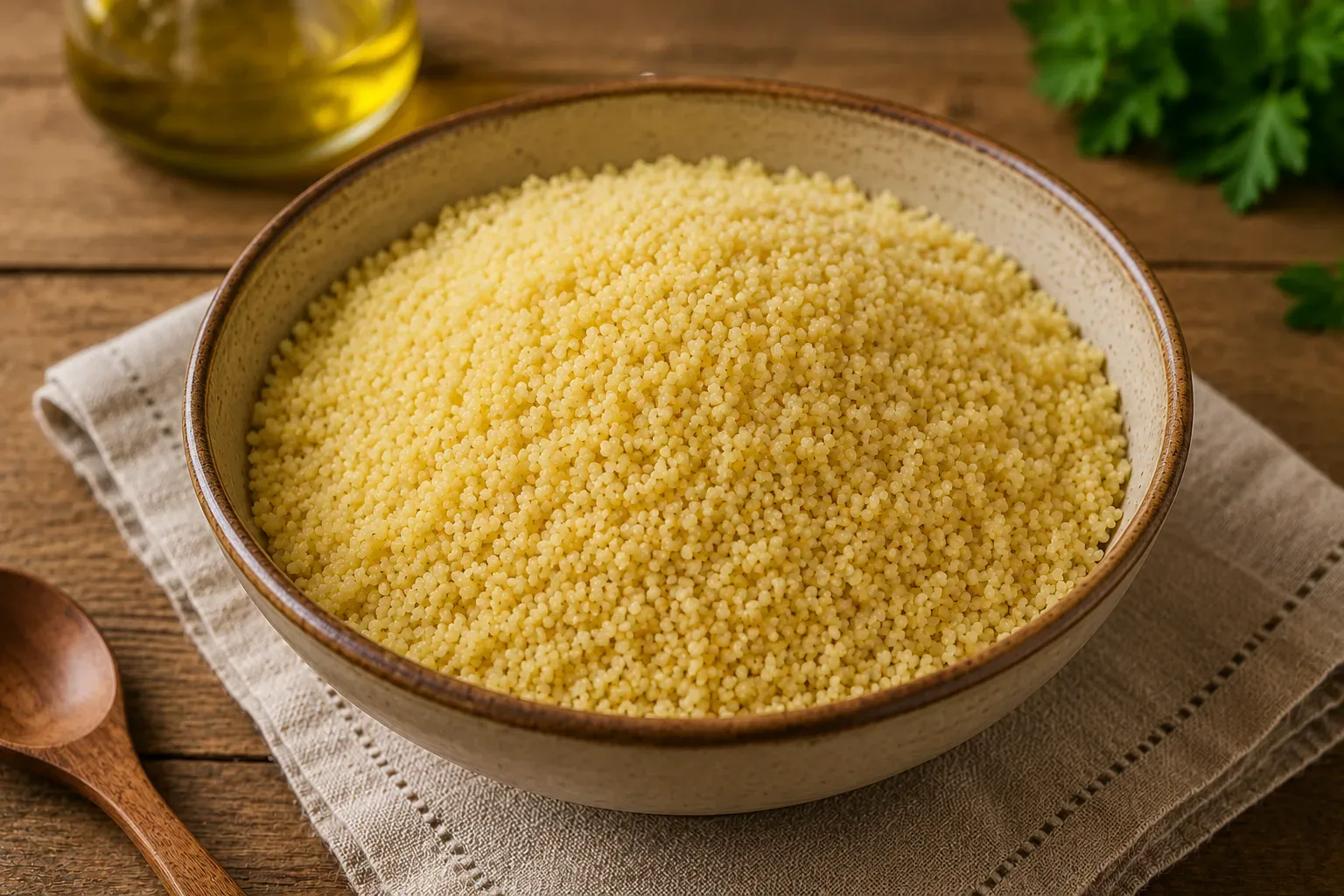
Couscous, often mistaken for a grain, is actually a type of pasta made from durum wheat semolina, and it brings a delightful texture to your dinner plate. Its light and fluffy form serves as an excellent base for a variety of dishes, absorbing flavors and enhancing the overall meal experience. Rich in carbohydrates and providing a good source of protein, couscous is not only versatile but also a nutritious option for those looking to maintain a balanced diet.
Nutritionally, couscous is an excellent source of selenium, a powerful antioxidant that plays a crucial role in protecting cells from damage and supporting a healthy immune system. With its easy preparation and ability to pair with diverse ingredients, couscous is a staple that deserves a place in your kitchen.
Signature Nutrient: Selenium
Selenium is an essential trace mineral found abundantly in couscous that aids in the body's antioxidant defenses. By combating oxidative stress, selenium supports heart health, boosts the immune system, and may even enhance mood. Including couscous in your meals can be a simple yet effective way to ensure you're getting this vital nutrient.
Insight Tip (How to Eat): Pair couscous with garlic, broccoli, or olive oil. Combining selenium with vitamins C and E found in these ingredients enhances its antioxidant synergy and maximizes health benefits.
Broader Health Benefits
Couscous is not just a source of selenium; it also contains various vitamins and minerals, including B vitamins, which are essential for energy production and brain health. When made from whole wheat (whole wheat couscous), it offers a rich amount of dietary fiber that aids digestion and helps maintain steady blood sugar levels. This makes it a great choice for anyone looking to improve their gut health or manage weight.
Insight Tip (How to Eat): Avoid overcooking couscous to preserve its texture and nutritional value; steam or cook it just until fluffy and tender.
Elite Terroirs / Specialty Regions
Couscous is traditionally associated with North African cuisine, particularly in countries like Morocco, Tunisia, and Algeria. The following regions are known for their high-quality couscous:
Morocco: Known for its fine, fluffy couscous, often served with rich stews, benefiting from the region's unique climate and traditional cooking methods.
Tunisia: Home to a coarser version of couscous, this variety is typically served with spicy harissa and vegetables, showcasing the bold flavors of Tunisian cuisine.
Algeria: Renowned for its hearty couscous dishes, often accompanied by lamb and vegetables, reflecting the agricultural richness of the region.
As you explore the culinary traditions surrounding couscous, you'll discover its adaptability and the myriad ways it can be enjoyed. From salads to stews, couscous can elevate any meal while providing essential nutrients.
In a world where the flashiest foods often steal the spotlight, couscous remains a humble yet powerful ingredient. Affordable and accessible, it offers a wealth of minerals, antioxidants, and fiber that can easily fit into your daily meals. Incorporating couscous into your diet is a simple way to enjoy a nutritious food that nourishes the body without sacrificing flavor. So why not make couscous a regular feature on your table? Your taste buds and your health will thank you.