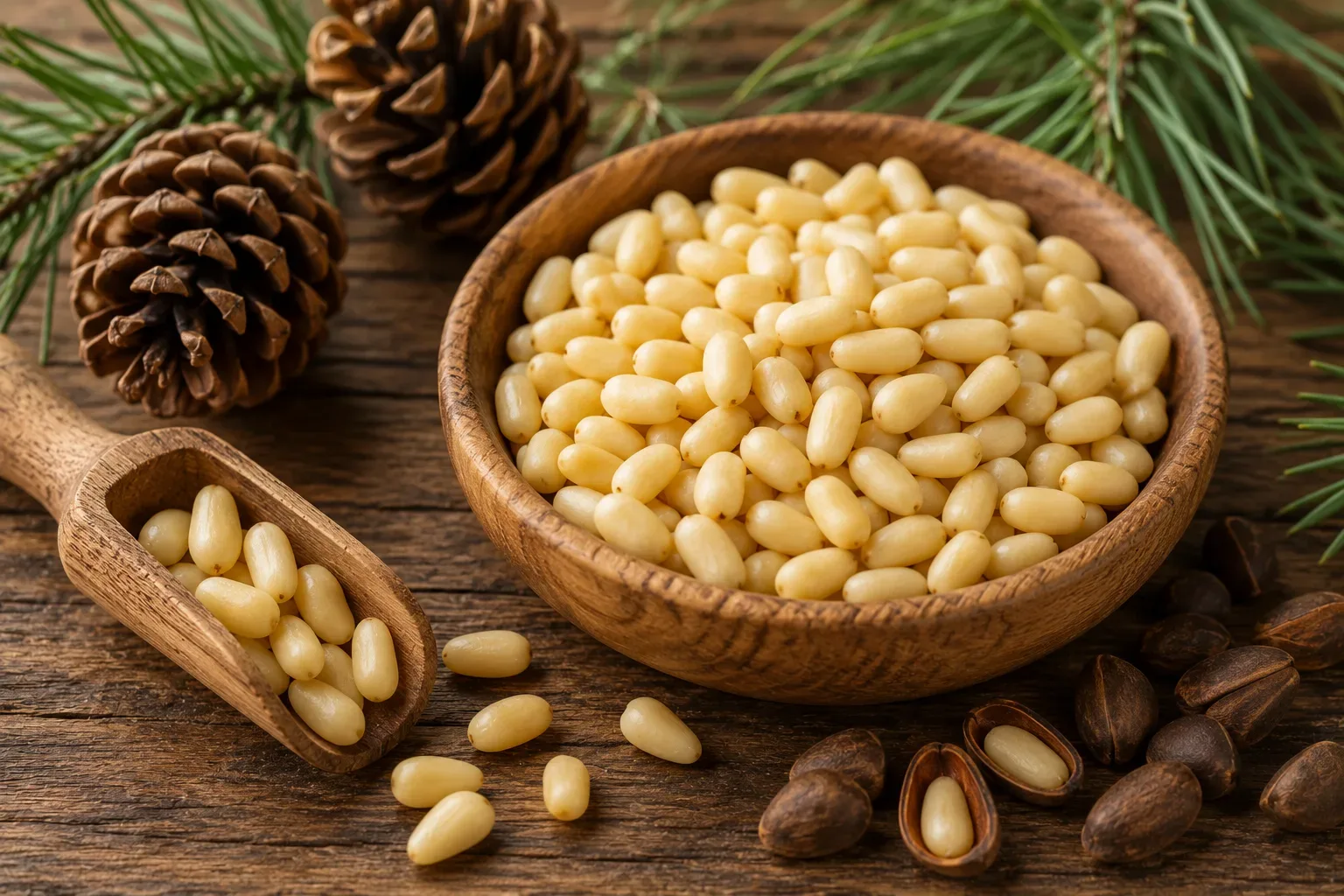
With their subtle, buttery flavor and velvety texture, pine nuts are a prized ingredient that adds an elegant depth and richness to everyday dishes, from pesto and salads to artisanal baked goods. Meticulously harvested from pine cones, these small seeds do more than just elevate the gastronomic value of a meal; they bring a monumental nutritional payload to the table. In particular, they boast an exceptionally high concentration of monounsaturated fatty acids—the "healthy fats" that systematically clear blood vessels—making them a premier choice for those seeking to fortify cardiovascular health.
Beyond elevating the sophistication of your plate, the pine nut stands as a powerful fortress for Magnesium, a critical mineral driving bodily metabolism. Its signature creamy texture and subtle sweetness perfectly bridge the gap between culinary indulgence and cellular ecosystem restoration. Let us explore the profound nutritional secrets guarded within this signature nutrient and its multifaceted benefits for full-body vitality.
1. The Signature Nutrient: Magnesium – The Catalyst for 300 Metabolic Reactions
In the pine nut's nutritional profile, magnesium commands the absolute center stage. This essential mineral orchestrates over 300 vital biochemical reactions within the human body, governing critical pathways such as protein synthesis, muscle and nerve modulation, and blood glucose control. Adequate magnesium intake has been clinically proven to stabilize blood pressure and significantly reduce the risk of cardiovascular disease, transforming the humble pine nut into a natural shield for heart longevity.
Insight Tip (How to Eat): To maximize the intestinal absorption and bioavailability of magnesium, always pair pine nuts with foods rich in Vitamin D, such as wild salmon or fortified dairy products. Vitamin D and magnesium act as powerful synergistic partners, actively driving each other's metabolic activation within the body.
2. The Regulator of Systemic Vitality: Fortifying Bones and Boosting Metabolism
Far from being a mere vehicle for magnesium, the pine nut provides a multi-dimensional supply of Vitamin K, zinc, and dietary fiber. Vitamin K is indispensable for proper blood coagulation and helps bind calcium seamlessly to the bone matrix to fortify bone density, while zinc constructs a resilient immune barrier against external pathogens. Furthermore, the rich fiber matrix within pine nuts systematically promotes digestive health, inducing sustained satiety that heavily assists in weight management and metabolic optimization.
Insight Tip (How to Eat): Avoid over-roasting pine nuts. Excessive heat degrades the premium unsaturated fatty acids and delicate antioxidant compounds locked inside the seed. To safely enhance their nutty aroma while preserving their full nutritional integrity, dry-toast them in a pan over low heat until they are just lightly golden.
3. Elite Terroirs: Where the World's Finest Premium Crops Are Born
Because pine nuts can only be harvested from select pine species, their oil density, aromatic complexity, and size are strictly dictated by terroir—the harmonious alignment of altitude, soil minerals, and regional microclimates. The elite growing regions anchoring the global premium market include:
Gapyeong, South Korea – The World-Class Epicenter of Concentrated Aromatics: Nestled amidst high-altitude topography, pristine mountain ranges, and extreme diurnal temperature variations, Gapyeong stands as the undisputed global sanctuary for premium pine nuts. Shaped by this majestic Korean terroir, Gapyeong pine nuts are distinctly plump, glossy, and contain an overwhelmingly high concentration of aromatic pineol and natural oils, earning them the highest luxury status in the global white nut market.
Italy – The Sun-Drenched Soul of Mediterranean Pesto: Nurtured by a warm, maritime Mediterranean climate, Italian pine nuts are celebrated for their incredibly tender texture and elegant, gentle sweetness. They remain the non-negotiable, foundational pillar that dictates the flavor profile of authentic, traditional Genovese pesto.
Southwestern United States – The Indigenous Heritage of the Piñon Pine: Cultivated from native Piñon pines, these seeds served as a sacred, long-lasting survival ration and nutritional foundation for Native American tribes for centuries. Forged by harsh, arid wilderness environments, these wild-harvested nuts possess a deeply robust, dense flavor and an incredibly concentrated nutrient matrix.
China – The Massive Anchor of Asian Gastronomy: Boasting vast geographical yields, Chinese pine nuts are a critical staple heavily integrated across Asian culinary landscapes. Valued for their immense accessibility and versatile flavor profile, they reliably satisfy the foundational demands of the global market.
The Grandeur of a Miniature Nutrient Matrix
The most sustainable, transformative wellness strategies in our lives are rarely found in flamboyant or hyper-exotic superfoods. The humble pine nut may not be the flashiest item occupying the grocery aisle, but within its miniature frame lies a masterfully compressed matrix of essential minerals and high-density healthy fats that modern diets so desperately lack.
Whether you are scattering them as a raw, delicate topping over a crisp salad or grinding them down into the creamy heart of a savory sauce, making the pine nut a regular feature on your table is a profoundly intelligent investment in cellular energy and vascular purification. Make it a definitive point to add this savory ivory shield to your culinary rotation. Alongside its delightful, buttery indulgence, it will deliver a powerful wave of systemic awakening and cardiovascular protection to your body.