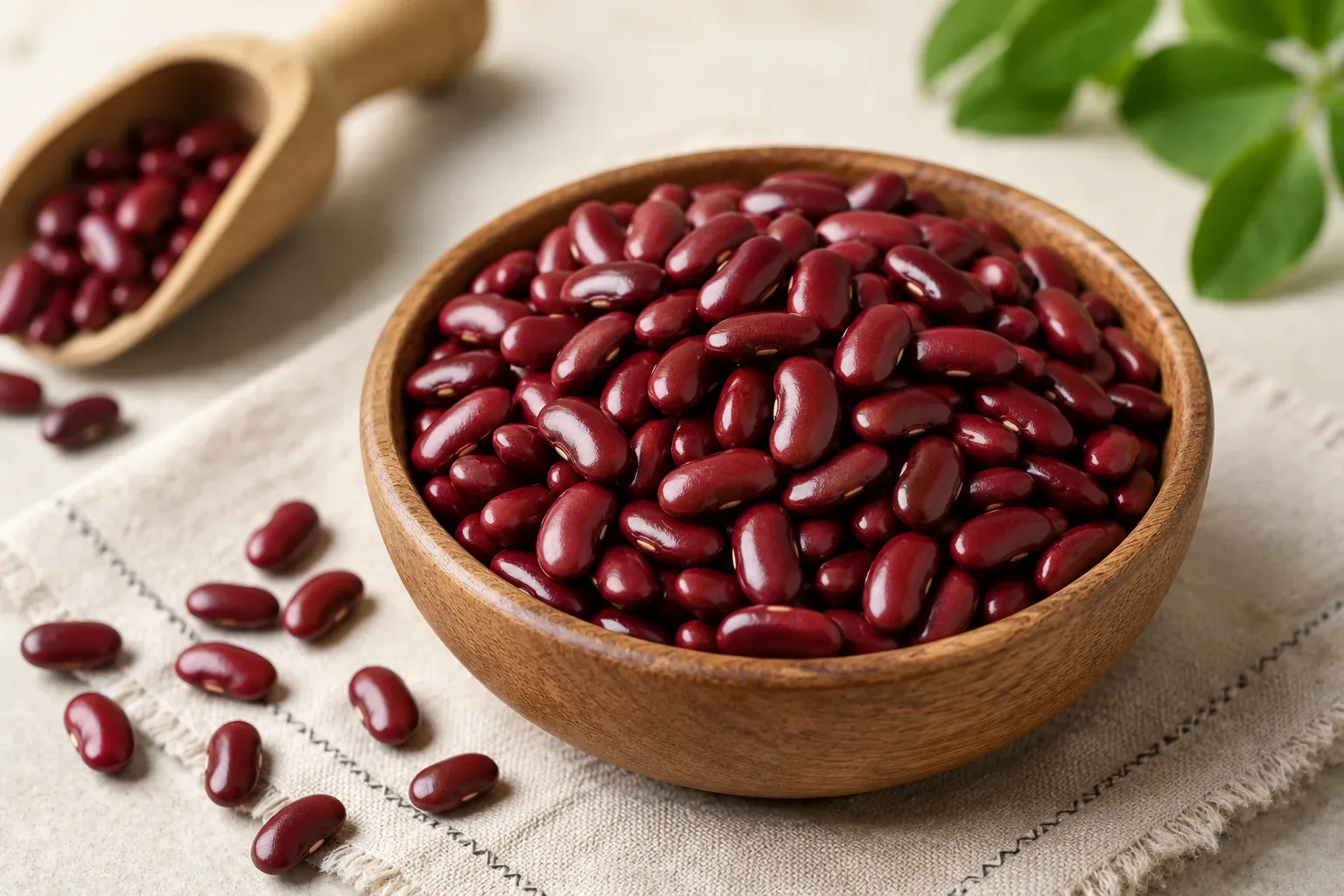
In the vibrant spectrum of nature's pantry, the color red is an undeniable declaration of raw power, vitality, and cellular defense. On our dinner plates, kidney beans—with their striking, deep crimson hue—add a magnetic pop of color and a remarkably hearty texture to a variety of dishes. From a rich, smoky chili to a refreshing summer salad or a comforting, slow-simmered stew, these majestic legumes stand as a culinary staple across the globe.
Nutritionally, kidney beans are an absolute powerhouse. Packed with an abundance of plant-based protein and dietary fiber, they serve as the ultimate foundation for those seeking to elevate their wellness through a plant-derived lifestyle.
Beyond their vibrant appearance, kidney beans act as an incredible reservoir of Folate, a vital B-vitamin indispensable for cellular division and DNA synthesis. This profound nutrient carries exceptional importance for pregnant women and anyone aiming to maintain long-term metabolic integrity. Let’s dive deeper into the extraordinary biology that makes the kidney bean an everyday nutritional gem.
1. The Signature Nutrient: Folate (Vitamin B9) – The Architect of Blood Cells and DNA
Often recognized as Vitamin B9, folate is the crown jewel of the kidney bean's nutritional profile, orchestrating a myriad of vital bodily functions. It plays a foundational role in the synthesis of red blood cells and the preservation of genetic integrity within our DNA.
Maintaining optimal folate intake systematically mitigates the risk of specific developmental birth defects while offering a powerful defense for the cardiovascular system. By actively lowering homocysteine levels—a primary biomarker for arterial inflammation—folate keeps your heart resilient and your circulatory system clean.
Insight Tip (How to Eat): To amplify the bioavailability of folate, always pair kidney beans with foods rich in Vitamin C, such as vibrant bell peppers or sun-ripened tomatoes. Vitamin C acts as a dynamic catalyst, drastically boosting your body's absorption rate of folate and supercharging your cellular defenses.
2. The Metabolic Regulator: Stabilizing Blood Sugar and Securing Digestive Harmony
Far beyond its exceptional folate content, the kidney bean is a dense treasure trove of essential minerals, including iron, magnesium, and potassium. Its exceptionally high concentration of dietary fiber acts as a natural time-release mechanism for glucose. By slowing digestion, it prevents erratic blood sugar spikes, making it an invaluable asset for individuals managing diabetes or insulin resistance.
Furthermore, its clean, robust protein profile offers a flawless, texturally satisfying meat substitute for vegetarians and vegans alike, delivering deep satiety without the inflammatory baggage of animal fats.
Insight Tip (How to Eat): Never consume kidney beans raw or undercooked. Raw kidney beans contain a dangerous concentration of a toxin called phytohemagglutinin (lectin), which can trigger severe acute digestive distress. To safely unlock their dense nutritional matrix, ensure the beans are thoroughly soaked and boiled under high heat until completely softened.
3. The Elite Terroirs: Where the World's Finest Crimson Crops Are Born
A kidney bean's distinct density, creaminess, and flavor profile are deeply bound to its terroir—the unique synergy of volcanic minerals, water quality, and regional microclimates. Three exceptional regions stand out globally as the undisputed royalty of kidney bean cultivation:
North Dakota (USA) – The Cold-Climate Masterpiece: Blessed with glaciated, mineral-dense soils and an ideal, temperate growing climate, North Dakota produces premium-grade kidney beans celebrated by food scientists and chefs worldwide. These beans are uniquely prized for their resilient, firm skin that retains its structural integrity during prolonged cooking, opening up into a rich, robust flavor.
Uttar Pradesh (India) – The Creamy Heritage of 'Rajma': Nestled within the fertile, alluvial plains fed by major river systems, this terroir yields a kidney bean locally revered as 'Rajma.' Shaped by traditional agricultural practices, these beans possess a unique starch structure that, when slow-cooked, dissolves into an unparalleled, velvety, and luxurious creaminess that anchors India's most celebrated comfort dishes.
Mexico – The Deep, Volcanic Umami Ancestry: As the birthplace of the legendary heirloom dish 'frijoles de la olla,' Mexico’s rugged, sun-drenched terrain infuses its native kidney beans with a complex, earthy flavor profile. The high mineral content of the soil yields a bean with a profoundly deep, savory umami note that effortlessly anchors and elevates traditional Latin American recipes.
The most transformative superfoods on our plates are not always the most exotic, extravagant, or expensive. The humble kidney bean, with its magnificent convergence of plant protein and vital fiber, offers a highly practical, economical, and accessible strategy for daily cellular restoration.
By consistently integrating this crimson gem into your weekly meal rotation, you seamlessly replenish essential micronutrients while indulging in a satisfying, deeply grounding culinary experience.
Why not infuse your next plate with this brilliant ruby energy? It is a delicious, time-tested investment that will fortify your health and elevate the standard of your everyday nutrition.