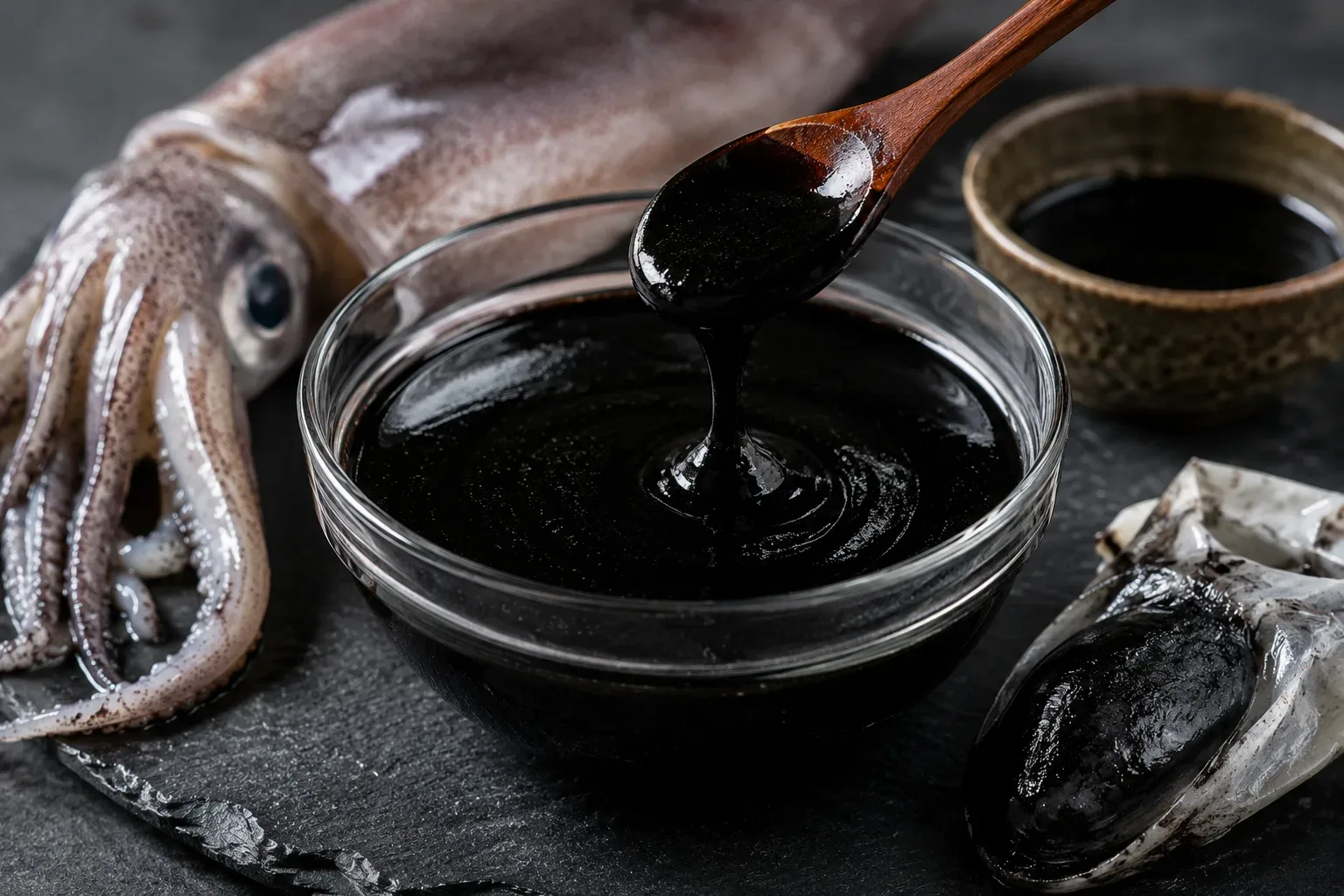
Imagine a plate of pasta, its dark hue glistening under the dining room lights, inviting you to dive into a world of briny ocean flavors. Squid ink, the secret ingredient that transforms ordinary dishes into extraordinary culinary experiences, brings a unique taste and striking aesthetic to your table. Packed with vital nutrients like taurine and rich amino acids, this ink does much more than enhance flavor—it brings functional health benefits to a balanced diet.
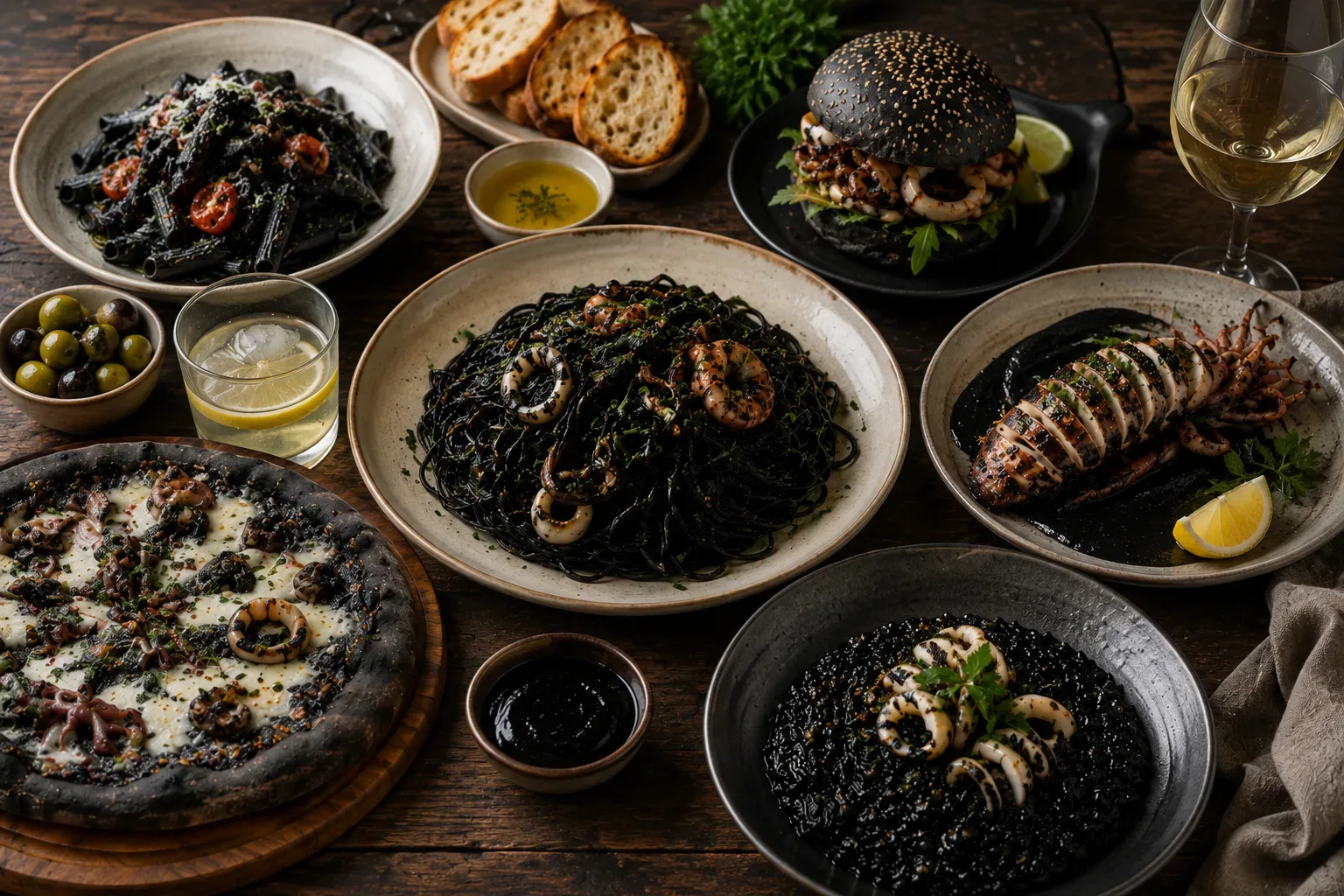
Beyond its dramatic visual appeal, squid ink is packed with powerful antioxidants and minerals that support cardiovascular health and boost immunity. This natural pigment, which cephalopods expel as a defense mechanism, has been utilized for generations across Mediterranean and Asian coastal cuisines, born from the timeless maritime wisdom of honoring and utilizing every part of the ocean's bounty.
Signature Nutrient: Antioxidants & Melanin
One of the standout components of squid ink is its exceptionally high antioxidant content, driven primarily by melanin—the organic compound responsible for its deep, midnight-black color.
Cellular Protection: These antioxidants, alongside bioactive compounds found in the ink, actively combat oxidative stress in the body, protecting cells from free radical damage and supporting overall immune resilience.
Vitality Boost: By incorporating squid ink into your culinary repertoire, you are not just creating a visually stunning masterpiece; you are also promoting heart health and systemic vitality.
Insight Tip (How to Eat): Pair squid ink with ingredients rich in vitamin C, such as a squeeze of fresh lemon, tomatoes, or bell peppers. Vitamin C acts as a vital catalyst, significantly enhancing your body’s absorption of the beneficial minerals—especially iron—naturally present in the ink.
Broader Health Benefits
In addition to its protective antioxidants, squid ink is an excellent source of essential minerals like iron and copper, as well as high concentrations of glutamic acid.
The Umami Factor: These amino acids are what give the ink its intensely savory, deep umami flavor profile, which satisfies the palate while naturally reducing the need for heavy sodium.
Metabolic Support: Furthermore, squid ink contains natural taurine, which supports liver function and cardiovascular health. Because the ink itself is incredibly low in calories and virtually fat-free, it serves as a guilt-free way to introduce a luxurious, rich depth to your everyday cooking.
Insight Tip (How to Eat): Hold back on the salt shaker when cooking with squid ink. The ink naturally carries a concentrated, briny essence of the sea that beautifully seasons the dish all on its own.
Where This Ingredient Began: A Legacy of Coastal Resourcefulness
The culinary use of squid ink was not born from a whimsical kitchen accident, but rather from the practical resourcefulness of ancient seafaring communities. In regions spanning from the Mediterranean coasts of Spain and Italy to the southern islands of Japan, historic fishermen lived by a strict philosophy of minimizing waste.
When preparing their daily catch, they discovered that the dark ink sacs, rather than being discarded, could be used to enrich and preserve stews, rice, and broths. In Okinawa, Japan, dishes like Ikasumi Jiru (squid ink soup) evolved not just as a savory comfort food, but as a traditional folk remedy highly prized for its perceived cleansing, restorative, and fatigue-relieving properties.
Elite Terroirs and Culinary Traditions
While squid ink can be harvested wherever squid are caught, specific regions have truly mastered the art of elevating it into world-class gourmet cuisine:
The Mediterranean Coast: Renowned for iconic dishes like Italian Seppia pasta and Spanish Arròs Negre (black paella), where the ink is celebrated for providing a velvety texture and an authentic taste of the sea.
Japanese Waters: Highly prized for its pure, clean umami profile, Japanese squid ink is frequently integrated into traditional soups, specialty sushi rolls, and modern fusion noodle dishes.
The Coast of Spain (Catalonia & Galicia): Famed for its artisanal seafood processing, this region produces some of the highest-quality, ultra-fresh ink used by top-tier chefs globally.
Conclusion
While squid ink may seem unconventional at first glance, it brings a profound depth of flavor and robust nutrition to the table that is both accessible and sophisticated. It is an extraordinary, nature-made ingredient that effortlessly restores vital minerals and antioxidants to your meals. Embrace the shadows on your plate, savor its rich savory notes, and let your culinary creativity flow.