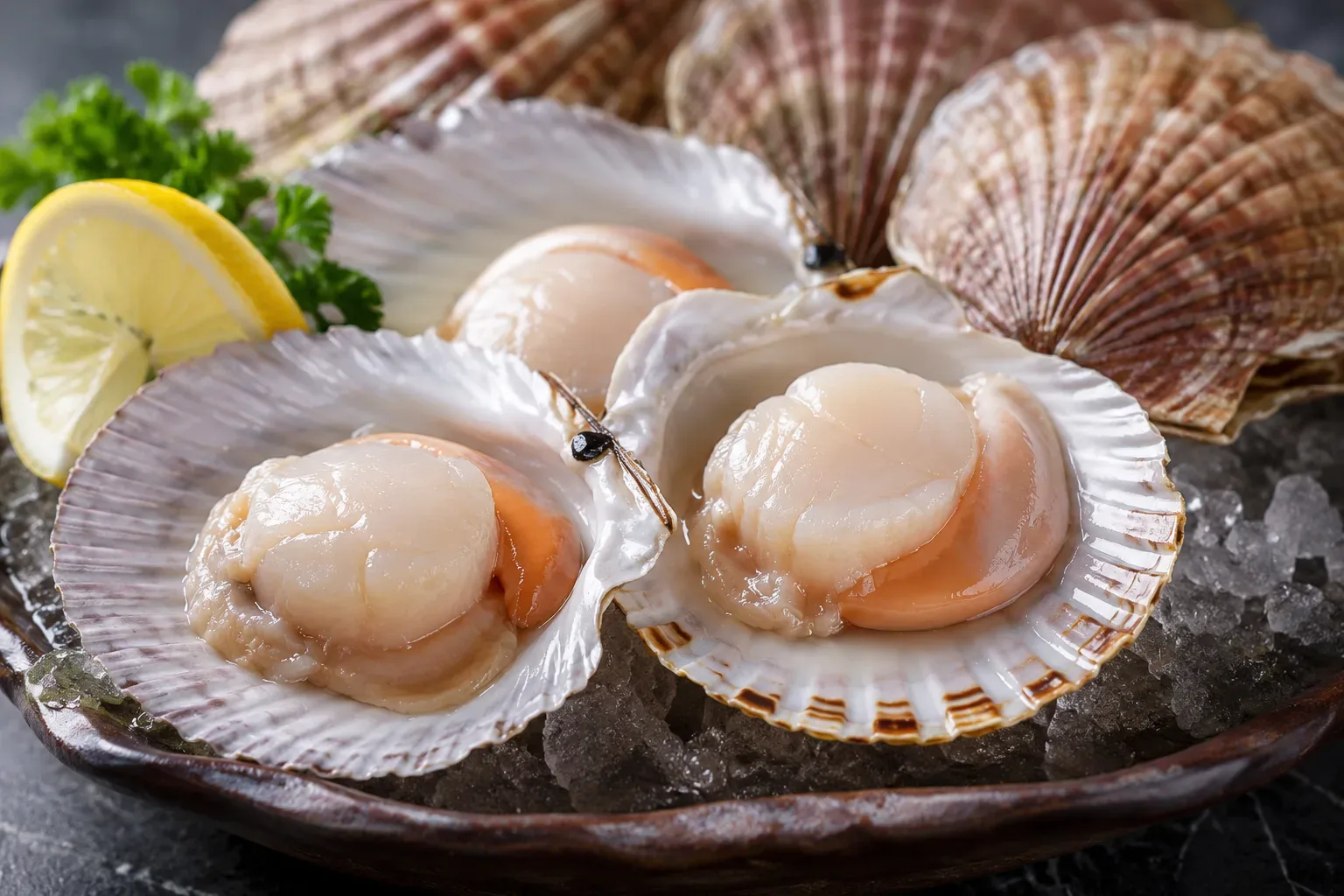
When it comes to seafood, few ingredients can match the delicate sweetness and tender texture of sea scallops. These plump, creamy morsels are often found gracing the plates of fine dining establishments, where they are seared to perfection, their natural flavors enhanced by a simple squeeze of lemon or a drizzle of herb-infused oil. But beyond their culinary appeal, sea scallops are a nutritional powerhouse, rich in protein and omega-3 fatty acids that support heart health and brain function.
Sea scallops, also known as Placopecten magellanicus, are harvested from the cold waters of the North Atlantic, primarily along the coasts of the United States and Canada. Their unique flavor profile and nutritional benefits make them a popular choice for health-conscious diners. As we dive deeper into the benefits of this seafood delight, we'll explore the key nutrients that make sea scallops a worthy addition to your diet.
Signature Nutrient: Protein
One of the standout features of sea scallops is their impressive protein content. With about 20 grams of protein per 3-ounce serving, they provide a complete source of this essential macronutrient, which is crucial for muscle repair, immune function, and overall health. Because scallops possess a complete amino acid profile, your body can readily utilize this high-quality protein to support vital biological processes, including hormone production and enzyme activity.
Insight Tip (How to Eat): Pair sea scallops with a side of quinoa or brown rice. Since scallops are already a complete protein containing all essential amino acids, these wholesome grains serve as the perfect partners—not by altering protein absorption, but by adding complex carbohydrates and dietary fiber to create a flawlessly balanced, nutrient-dense meal.
Broader Health Benefits
Sea scallops are not just about protein; they also pack a punch of vitamins and minerals. They are a good source of vitamin B12, which is essential for nerve function and the production of red blood cells, and selenium, an antioxidant that helps protect cells from damage. The omega-3 fatty acids in scallops support heart health by reducing inflammation and lowering blood pressure.
Insight Tip (How to Eat): Avoid overcooking sea scallops to retain their moisture and delicate flavor; a quick sear on high heat is best.
Where This Ingredient Began
The story of sea scallops is deeply intertwined with the historic coastal communities of the American Northeast, spanning from New England down to the Mid-Atlantic shores. In the premier port of Cape May, New Jersey, generational fishing families have braved the Atlantic for centuries to harvest these prized bivalves. Unlike shallow-water bay scallops, wild sea scallops thrive in the deep, icy currents of the outer continental shelf, requiring specialized vessels to harvest them safely and sustainably from the ocean floor. Over the decades, technological advancements and strict conservation management transformed this regional harvest into a world-class sustainable industry. Today, Cape May stands proud as one of the nation's top commercial scallop ports. This rich maritime legacy is celebrated annually through local coastal festivals, where community members and visitors gather to honor the fishermen's hard work, savor the freshest catch, and strengthen the cultural bonds forged by the sea.
Elite Terroirs / Specialty Regions
Sea scallops thrive in specific regions known for their pristine waters and sustainable fishing practices. Here are a few notable areas:
Georges Bank: Located off the coast of New England, this area is famous for its nutrient-rich waters, resulting in scallops with a sweet flavor and firm texture.
Barnegat Bay: In New Jersey, this bay is known for its clean waters and sustainable fishing methods, producing high-quality scallops that are favored by chefs.
Atlantic Canada: The cold, clean waters of the Atlantic provinces yield some of the best scallops in the world, renowned for their size and taste.
As we reflect on our culinary journey with sea scallops, it becomes clear that the healthiest foods are often those that are both simple and accessible. Sea scallops may not be the flashiest ingredient, but their rich protein content, healthy fats, and array of vitamins make them an excellent choice for a balanced diet. Incorporating sea scallops into your meals not only enhances flavor but also restores essential nutrients to your body. So, the next time you’re planning a dinner, consider adding these delightful seafood gems to your table for a nutritious and delicious experience.