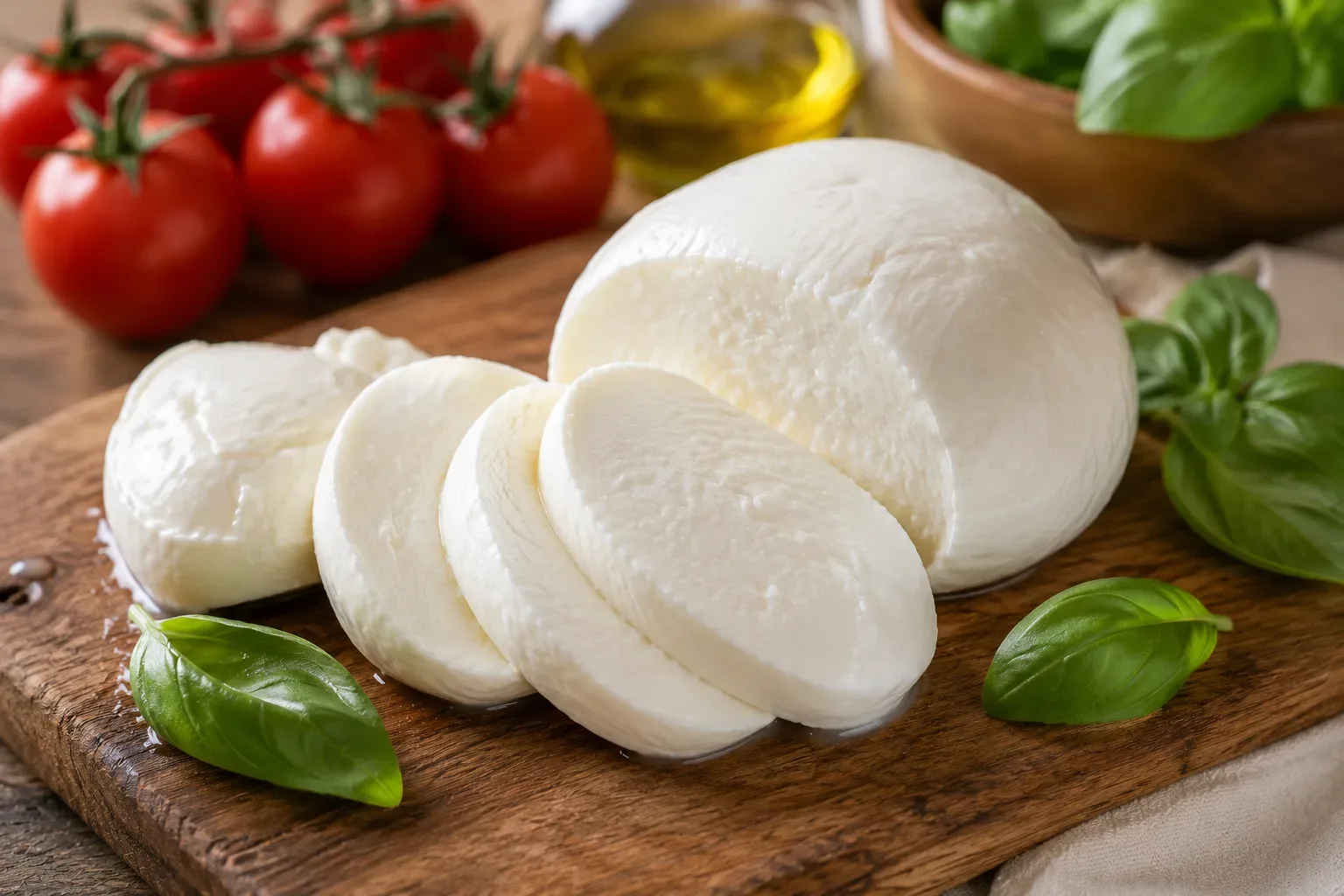
Imagine a fresh Caprese salad: vibrant red tomatoes, fragrant basil, and the creamy, white mozzarella that binds them together. This beloved cheese, celebrated for its soft texture and mild flavor, is a core staple of Italian cuisine and a favorite across the globe. Mozzarella is not only a culinary delight; it is also a rich source of calcium and high-quality protein, making it a nutritious addition to your everyday meals.
Fresh mozzarella is traditionally made from the milk of water buffaloes (bufala), native to the Campania region of Italy. This cheese is high in moisture and possesses a delicate flavor profile, making it perfect for melting, slicing, or enjoying completely fresh.
Signature Nutrient: Calcium
One of the standout nutrients in mozzarella is calcium, which is essential for building and maintaining strong bones and teeth. Calcium also plays a critical role in muscle function, vascular health, and nerve signaling. Incorporating mozzarella into your diet is an excellent way to support your body's structural health while enjoying its rich, creamy goodness.
Insight Tip (How to Eat): To maximize calcium absorption, ensure your diet includes adequate Vitamin D (found in mushrooms, egg yolks, or fatty fish), as Vitamin D acts as the vital catalyst for calcium uptake in the body. Pairing mozzarella with a drizzle of extra virgin olive oil also helps your body absorb the cheese's fat-soluble vitamins.
Broader Health Benefits
Beyond calcium, mozzarella provides a substantial amount of protein, which is vital for muscle repair, cellular growth, and overall metabolic function. It is naturally lower in fat and sodium compared to many hard, aged cheeses, making it a preferable option for those monitoring their dietary fat intake. Additionally, mozzarella contains essential vitamins such as Vitamin A for vision health and Vitamin B12 for red blood cell formation and nervous system support.
Insight Tip (How to Eat): Opt for fresh, authentic varieties of mozzarella rather than heavily processed, low-moisture substitutes to enjoy the highest nutritional value and the best natural flavor.
Where This Ingredient Began: The True History of Mozzarella
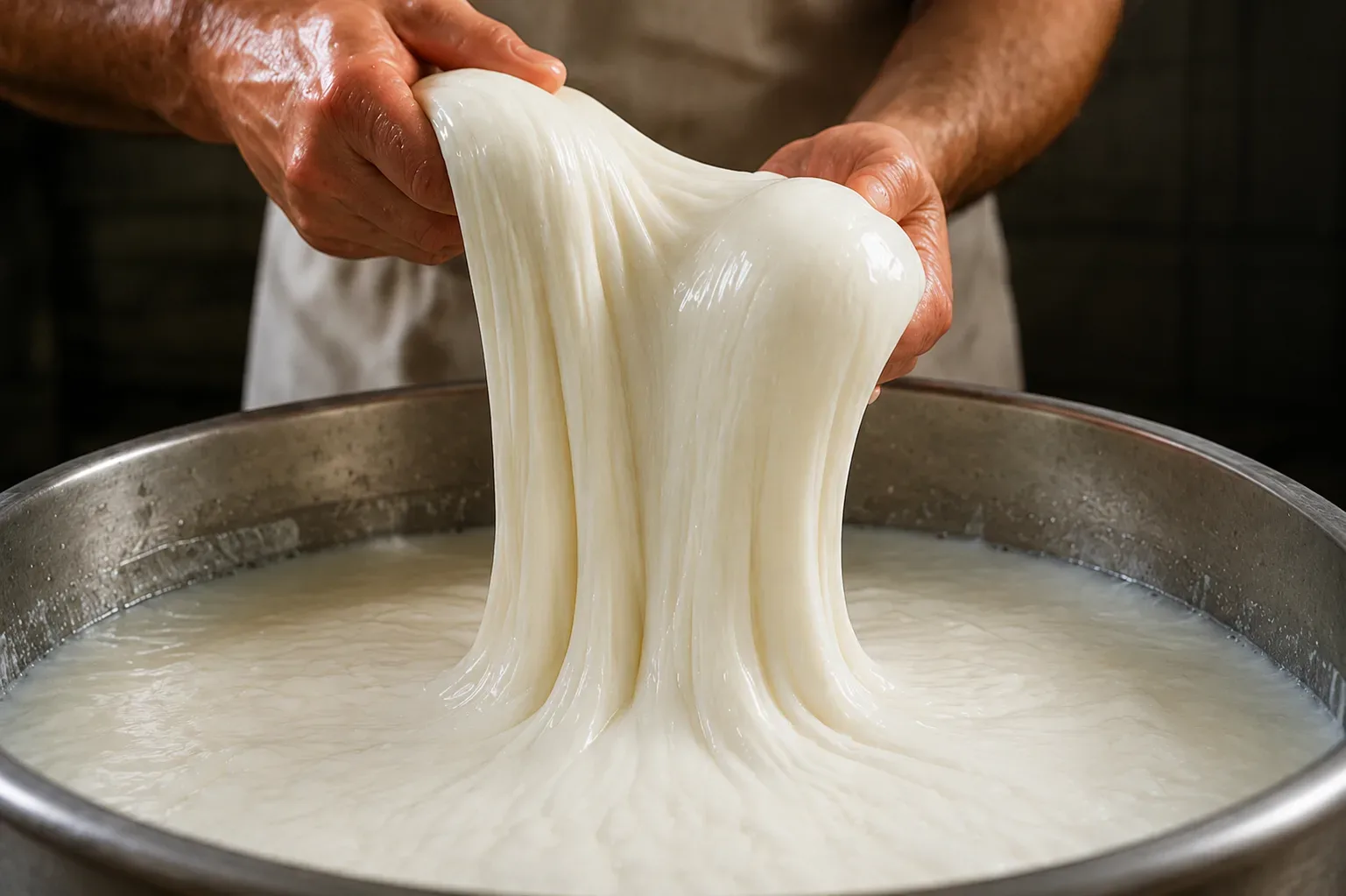
The origins of mozzarella are deeply rooted in the ancient culinary traditions of Southern Italy. Historical records indicate that as early as the 12th century, monks at the Monastery of San Lorenzo in Capua, located in the Campania region, regularly prepared a unique cheese for weary pilgrims. The monks called this cheese mozza, a name derived from the Italian verb mozzare, which means "to cut off" or "to separate"—referring to the traditional hand-stretching method where chunks of curd are pulled and cut into individual balls.
This regional delicacy was crafted using the rich, high-fat milk of water buffaloes (bufala), an animal perfectly suited to the marshy lowlands of Campania. By the 16th century, the term "mozzarella" officially appeared in famous Italian cookbooks, eventually evolving from a local monastery offering into a globally revered culinary masterpiece.
Elite Terroirs and Specialty Regions
While mozzarella is produced worldwide today, the most esteemed varieties come from specific regions in Italy where centuries-old farming practices enhance its quality:
Campania: The undisputed birthplace of mozzarella. Its rich volcanic soil and ideal climate support the water buffaloes that yield the milk for the world-renowned Mozzarella di Bufala Campana DOP.
Apulia (Puglia): Highly celebrated for its Fior di Latte, a premium mozzarella made from high-quality cow's milk. The region's distinct grazing environments give this cheese a uniquely fresh, milky, and delicate flavor.
Lazio: Home to traditional, artisan cheese-making families, this region produces exceptional buffalo mozzarella characterized by its rich, robust texture and deep heritage.
Conclusion
Mozzarella is a remarkable and highly accessible ingredient that adds an elegant creaminess to a wide variety of dishes. As a wholesome source of essential proteins, minerals, and calcium, it beautifully embodies the philosophy that the best ingredients are often the simplest. Bring this fresh delight to your table regularly to elevate both the flavor and the nutritional value of your meals.