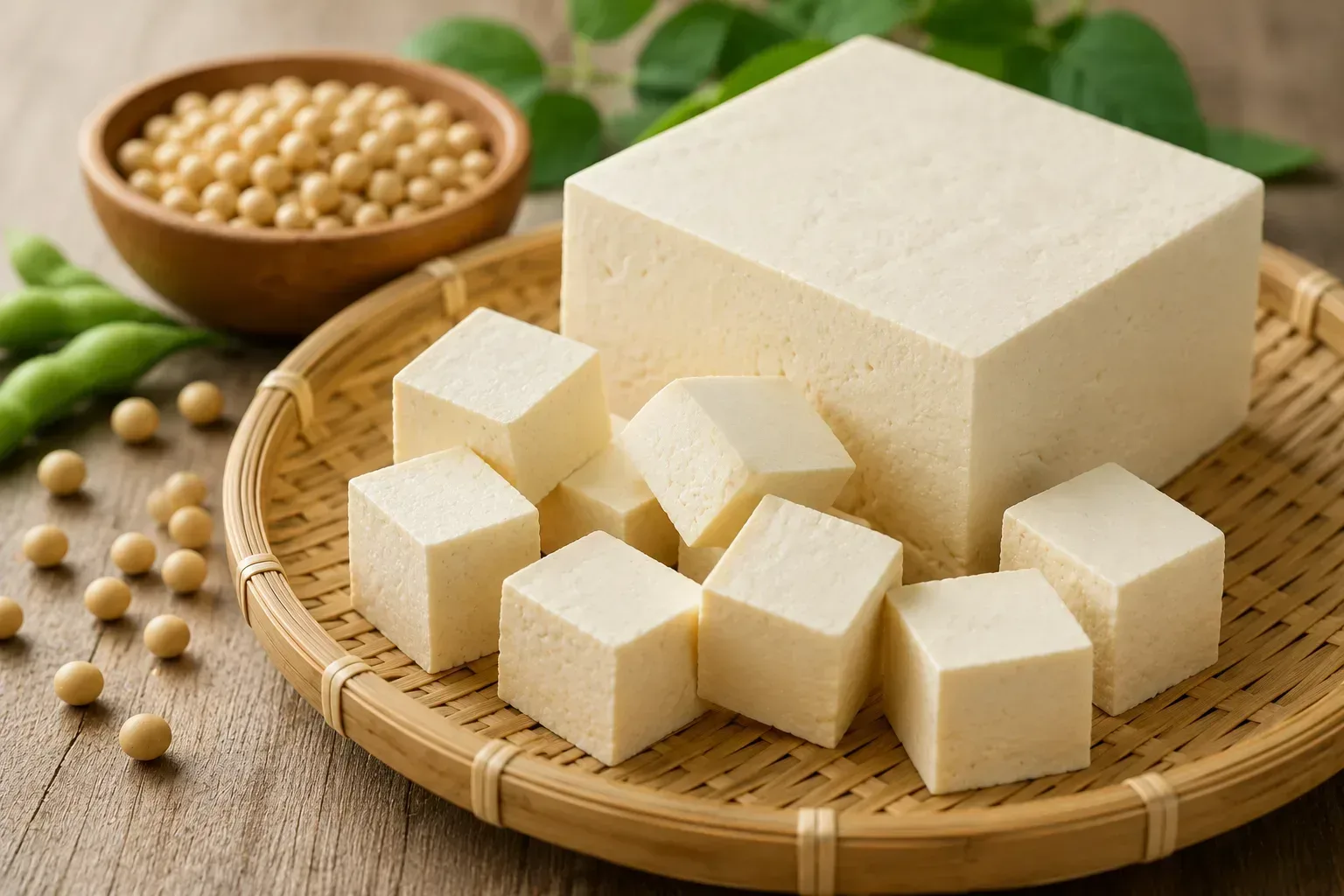
Tofu, often referred to as bean curd, is a staple in many kitchens around the world, especially in Asian cuisine. Its soft, creamy texture and ability to absorb flavors make it an ideal canvas for a variety of dishes. Nutritionally, tofu is an excellent source of plant-based protein, containing all nine essential amino acids, making it a favorite among vegetarians and vegans.
Beyond its protein content, tofu is rich in calcium, iron, and magnesium, contributing to overall health and wellness. In this article, we will take a deep dive into the biology of tofu, its health benefits, and its fascinating cultural significance.
Signature Nutrient: Protein
The standout nutrient in tofu is its high-quality protein, which supports muscle health, immune function, and overall energy levels. A serving of tofu can provide about 10 grams of protein, making it a fantastic alternative to meat. The protein in tofu is easily digestible and can help maintain healthy blood sugar levels.
Insight Tip (How to Eat): Pair tofu with vitamin C-rich foods like bell peppers or broccoli to enhance iron absorption.
Broader Health Benefits
In addition to protein, tofu is a great source of several vitamins and minerals, including calcium and magnesium, which are essential for bone health. Its low-calorie, high-fiber content can help support weight management and gut health. Regular consumption of tofu has been linked to reduced cholesterol levels and improved heart health.
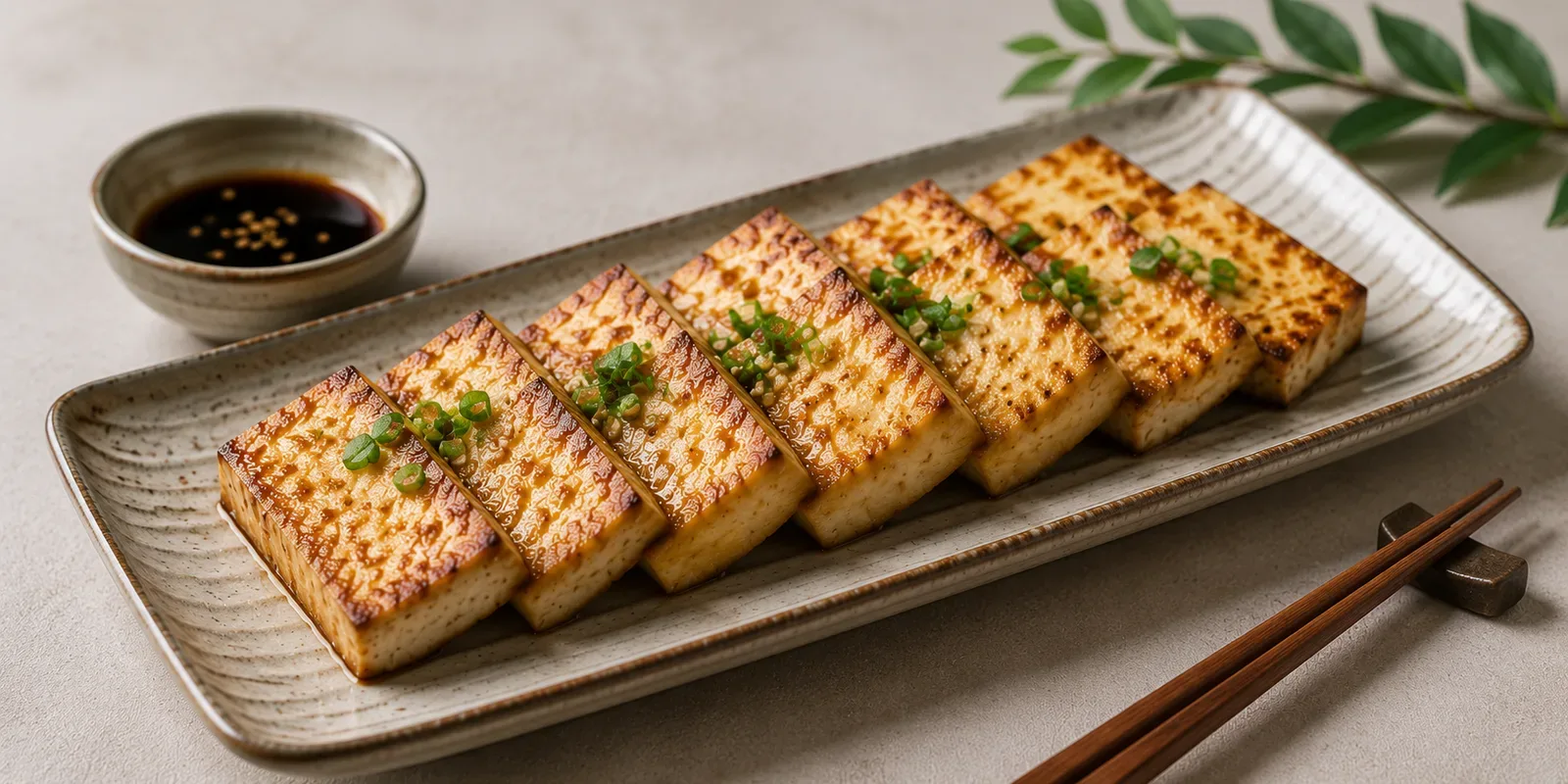
Insight Tip (How to Eat): Avoid frying tofu excessively; instead, try steaming or baking to preserve its nutrients.
Where This Ingredient Began
Tofu's journey began over 2,000 years ago in China, where it was discovered by a cook who accidentally curdled soy milk with nigari, a coagulant made from seawater. This serendipitous moment gave birth to tofu, which quickly became a staple in Chinese diets. It was often served in Buddhist monasteries, where monks embraced its versatility and health benefits.
Elite Terroirs / Specialty Regions
Tofu is produced worldwide, but some regions are renowned for their superior varieties:
China: The birthplace of tofu, Chinese soybeans are known for their rich flavor and high protein content, leading to excellent quality tofu.
Japan: Known for its silken tofu, Japan's unique climate and traditional methods of production result in a delicate texture that is highly prized in dishes like miso soup.
Korea: Korean tofu, particularly the soft variety used in stews like sundubu jjigae, benefits from unique fermentation processes that enhance its flavor.
While the healthiest foods are not always the flashiest or most colorful, tofu stands out as a nutritious and accessible ingredient. Its rich protein content, along with essential minerals and antioxidants, makes it a perfect addition to any meal. By incorporating tofu into your diet regularly, you're not only enjoying a delicious food but also supporting your health with every bite.
So, why not put tofu on your table more often? With its versatility and health benefits, it's a simple way to add nourishment to your meals.