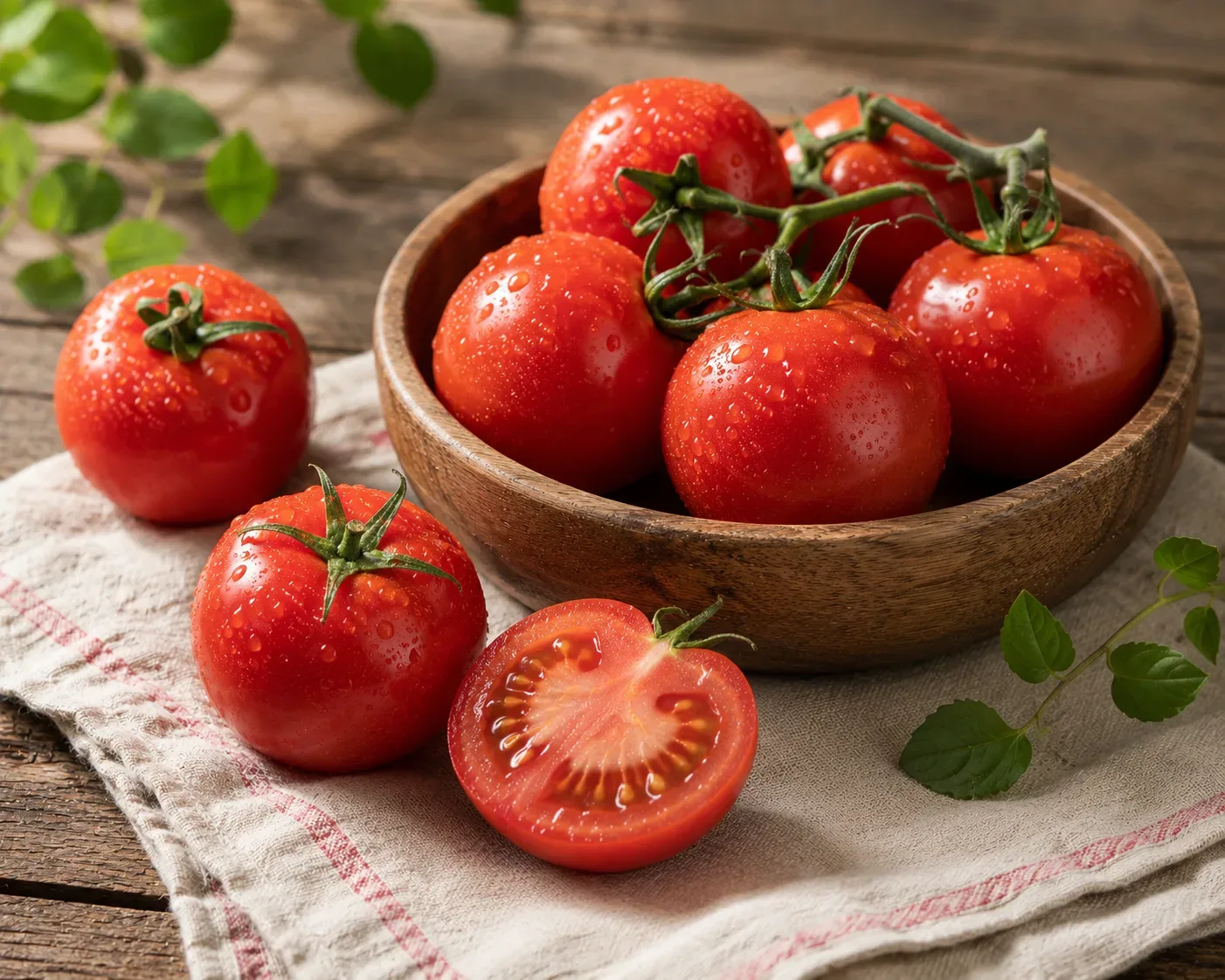
In the vibrant spectrum of nature's pantry, the color red is an undeniable siren—a bold, magnetic declaration of raw power, passion, and protection. On our dinner plates, red is the ultimate signature of youth preservation, cardiovascular strength, and cellular defense. And at the absolute pinnacle of this crimson empire stands the humble yet majestic Tomato.
Why does the tomato hold such a revered status in nutritional science? "When a tomato turns red, the doctor’s face turns green," says an old European proverb. The secret behind its brilliant crimson hue is Lycopene, a legendary carotenoid pigment that serves as one of nature's most potent fat-soluble antioxidants, acting as an internal shield for our heart, cells, and skin.
Here is a deep dive into the extraordinary biology of the tomato, its profound health benefits, and the legendary regions that produce the finest crops in the world.
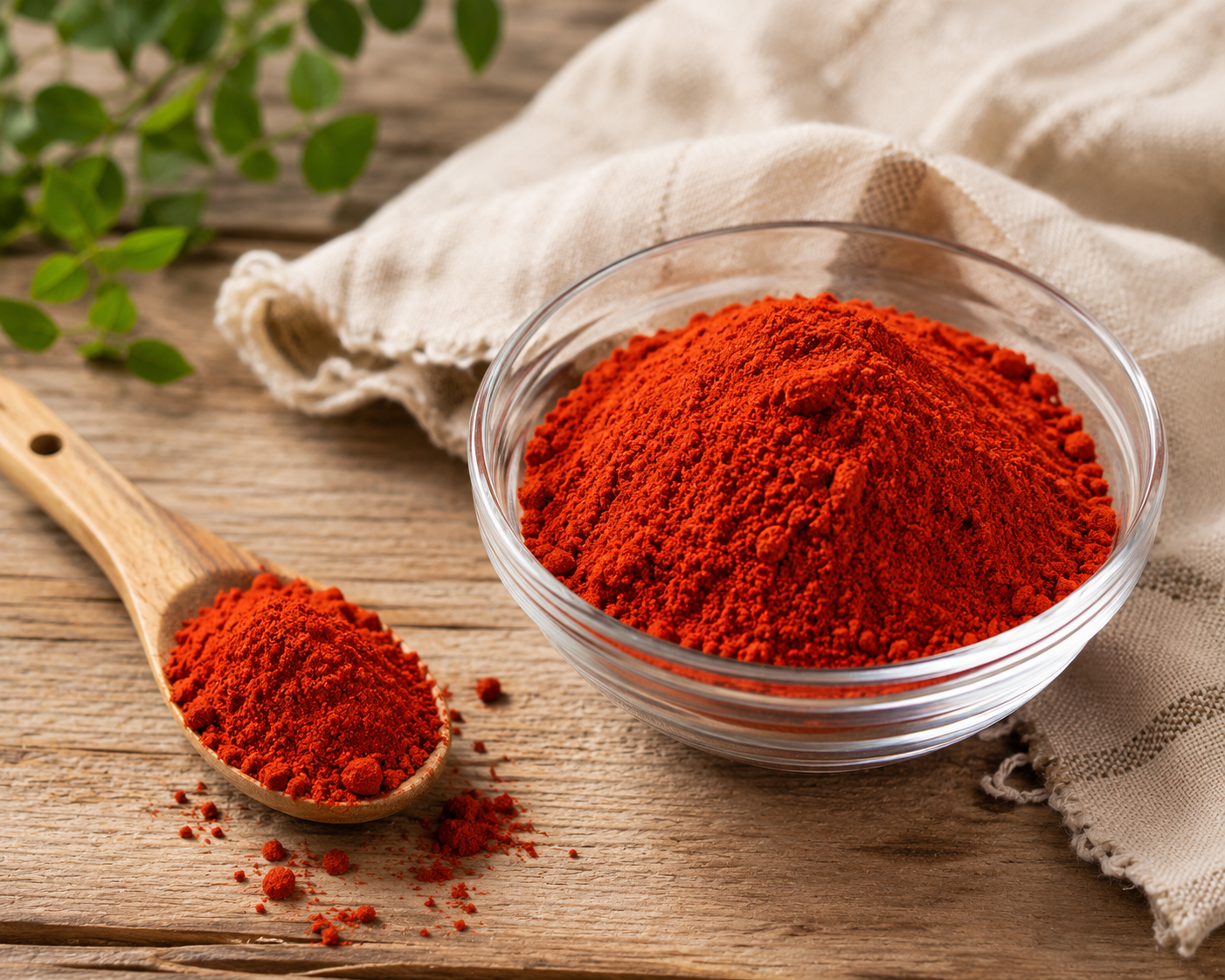
1. Lycopene: The Crimson Warrior Safeguarding Your Heart and Skin
The fiery red coat of a ripe tomato isn't just for visual appeal; it is a dense concentration of lycopene. Unlike other nutrients that degrade with heat, lycopene's power actually amplifies under specific conditions. It actively targets and neutralizes free radicals, specifically protecting the cardiovascular system by preventing the oxidation of LDL ("bad") cholesterol, thereby keeping arteries flexible and clean. Furthermore, lycopene acts as an "internal sunscreen," accumulating in the skin tissue to protect cells from dangerous UV damage and premature aging.
Insight Tip (How to Eat): Lycopene is strictly fat-soluble and encapsulated within the plant's cell walls. Eating a tomato completely raw means your body only absorbs a fraction of its lycopene. To unlock its full cellular power, cook or heat the tomatoes with a generous drizzle of extra virgin olive oil. The heat breaks down the tough cell walls, and the oil acts as the perfect carrier molecule, boosting your body's lycopene absorption rate by up to four times!
2. The Multi-System Healer: From Stroke Prevention to Bone Integrity
Beyond lycopene, tomatoes are a treasure trove of Potassium, Vitamin C, and Vitamin K. This combination creates a perfect storm for metabolic health. Potassium acts as a natural flushing agent, clearing out excess sodium to regulate blood pressure and reduce stroke risk. Meanwhile, the rich presence of Rutin and bioflavonoids strengthens delicate blood capillaries, while Vitamin K works in harmony with calcium to lock in bone density and protect skeletal integrity as we age.
Insight Tip (How to Eat): If you are eating tomatoes raw (such as cherry tomatoes), never pair them with white sugar. Sugar completely destroys Vitamin B1 (Thiamine) during the metabolic process, robbing you of the tomato's natural energy-boosting properties. Instead, use a pinch of high-quality sea salt; the sodium enhances the natural sweetness and balances the acidity perfectly without sacrificing nutrition.
3. The Elite Terroirs: Where the World's Finest Tomatoes Are Born
A tomato’s quality is deeply bound to its terroir—the unique, unreplicable combination of soil, water, climate, and geography. Three extraordinary regions across the globe stand as the undisputed royalty of the tomato empire, producing crops of legendary quality:
San Marzano (Campania, Italy) – The Volcanic Masterpiece Grown in the rich, fertile volcanic soils at the base of Mount Vesuvius, San Marzano tomatoes are prized by global chefs as the absolute gold standard for culinary creation. The ancient volcanic ash infuses the soil with unparalleled minerals, resulting in a complex bittersweet flavor profile, thick flesh, low seed count, and remarkably balanced acidity. They carry a prestigious Protected Designation of Origin (PDO) status in Europe, certifying their elite heritage.
Raf Tomatoes (Almería, Spain) – The High-Salinity Luxury Cultivated in the arid coastal plains of Andalusia, Raf tomatoes are Europe’s ultimate gourmet treasure. This unique terroir is defined by brackish underground aquifers with extreme salinity. To survive this harsh environment, the tomato plant severely restricts its water intake, concentrating an unprecedented amount of natural sugars, amino acids, and savory umami compounds within the fruit. The result is a dense, crunchy, green-crimson striped tomato with an intense sweet-and-salty profile that commands luxury prices in fine dining.
Tomataki Santorinis (Santorini, Greece) – The Waterless Volcanic Ruby Born on the windswept volcanic cliffs of the Aegean Sea, this rare heirloom variety thrives through a legendary agricultural feat: dry-farming. The plants receive absolutely zero artificial irrigation; instead, they survive solely on the morning sea fog and humidity trapped by the porous, ash-rich volcanic soil. This extreme hydration stress yields a petite, cherry-sized fruit with an incredibly thick skin, a deeply concentrated lycopene content, and an intensely rich, acidic sweetness that cannot be replicated anywhere else on Earth.